Iran nuclear weapons: Pezeshkian says Tehran seeks no arms, blames Israel
Synopsis
Iranian President Masoud Pezeshkian publicly declared Iran is not seeking nuclear weapons and blamed Israel for regional instability — even as US Secretary of State Marco Rubio, speaking in New Delhi alongside India's foreign minister, signalled 'significant progress' in US-Iran talks and hinted at imminent 'good news' on the Strait of Hormuz. The dual statements suggest a diplomatic breakthrough may be closer than it has been in years.
Key Takeaways
Iranian President Masoud Pezeshkian stated on Sunday, 25 May 2025 that Iran is ready to assure the world it is not pursuing nuclear weapons .
Pezeshkian attributed regional instability to Israel and its pursuit of a 'Greater Israel' plan, not Iran.
He confirmed all decisions in Iran go through the Supreme National Security Council (SNSC) and require the Supreme Leader's approval.
US Secretary of State Marco Rubio said “significant progress” has been made in US-Iran diplomacy and hinted at Strait of Hormuz developments.
President Donald Trump 's position — that Iran can never possess a nuclear weapon — was reiterated by Rubio at a press conference in New Delhi .
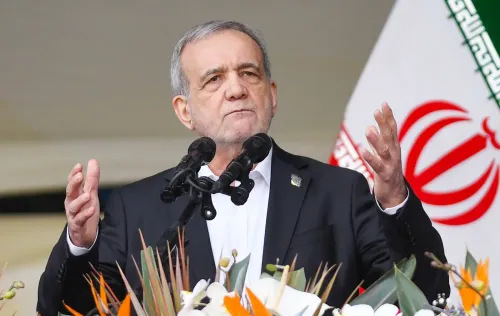
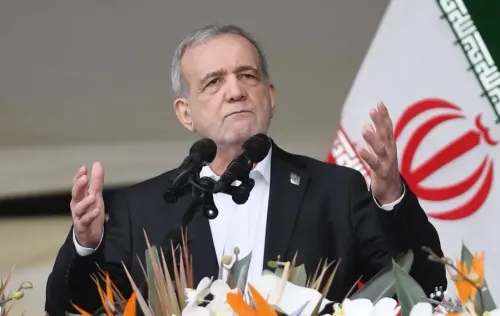
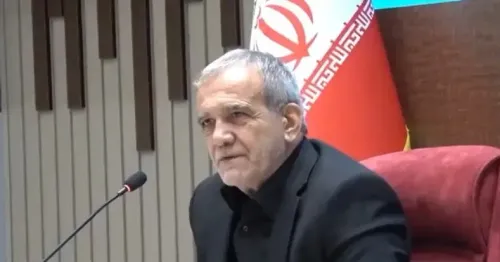
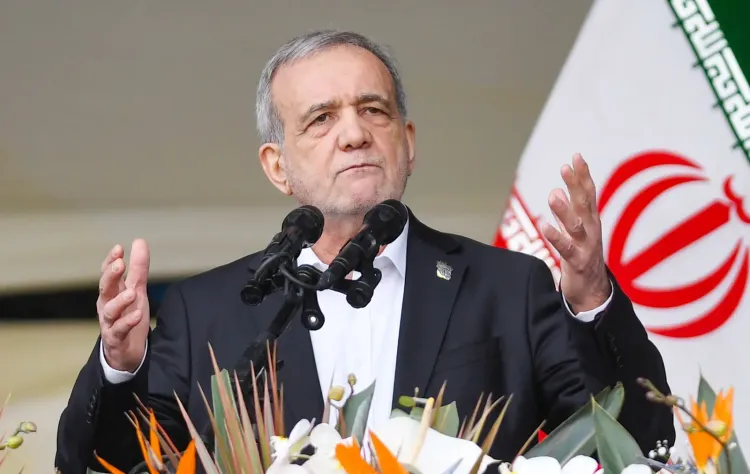
Iranian President Masoud Pezeshkian on Sunday, 25 May 2025, declared that Iran is prepared to give the world assurances that it is not pursuing nuclear weapons, as US-Iran diplomatic talks continued to show signs of progress. The remarks, made at a meeting with managers of the Islamic Republic of Iran Broadcasting (IRIB) in Tehran, come amid an active back-channel between Washington and Tehran over Iran's nuclear programme.
What Pezeshkian Said
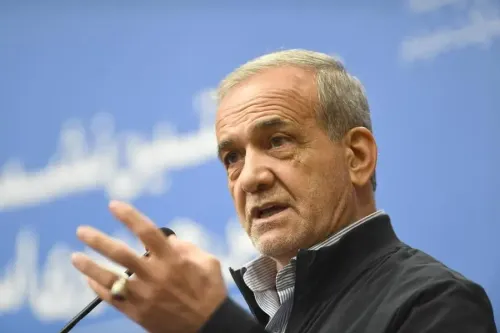
“We are ready to assure the world that we are not seeking nuclear weapons. Iran is not seeking unrest in the region — it is the Zionist regime that is using every opportunity to keep war and unrest alive,” Pezeshkian said, according to IRNA, Iran's official state news agency.
He went further, linking his remarks explicitly to the ongoing negotiations with the United States: “We announced during the time of our martyred Imam, and we announce now that we are ready to assure the world that we are not seeking nuclear weapons, we are not seeking unrest in the region. The one seeking to destabilise the region is the Israeli regime, which is pursuing the plan of ‘Greater Israel’.”
Pezeshkian also stressed that Iran's negotiators would not compromise national dignity: “We and the negotiators will not compromise the country's honour and pride in any way.”
Governance and Domestic Priorities
Beyond the nuclear question, Pezeshkian underscored that his government's primary focus remains the economic welfare of ordinary Iranians. He thanked citizens for their “savings” and urged them to consider energy and fuel efficiency amid ongoing resource pressures.
Notably, he also confirmed that no decision will be made in Iran outside the framework of the Supreme National Security Council (SNSC) and without the coordination and explicit permission of the Supreme Leader — a signal that any nuclear deal would require the highest level of institutional approval within Iran's political structure.
US Signals 'Significant Progress'
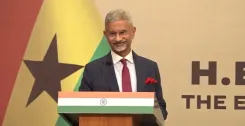
The Iranian president's remarks coincide with a notable statement from US Secretary of State Marco Rubio, who on the same day addressed a joint press conference alongside External Affairs Minister S. Jaishankar in New Delhi. Rubio said that “significant progress” had been made in US-Iran diplomatic efforts, and hinted that “good news” regarding the Strait of Hormuz could emerge “in the coming hours.”
Rubio also reiterated US President Donald Trump's firm position that Iran “can never possess a nuclear weapon.” The convergence of statements from both sides suggests the two countries are closer to a framework agreement than at any point in recent years, though no deal has been formally announced.
Context and What Comes Next
The current round of US-Iran nuclear diplomacy is the most substantive engagement since the collapse of the Joint Comprehensive Plan of Action (JCPOA) following the US withdrawal in 2018. Iran has consistently maintained that its nuclear activities are for civilian purposes, a position it has reiterated at successive rounds of talks. Critics and Western governments, however, have pointed to Iran's uranium enrichment levels — which have reached near-weapons-grade concentrations — as a cause for concern.
The reference to the Strait of Hormuz, a critical global oil chokepoint, adds a significant economic dimension to the talks. Any diplomatic breakthrough that reduces tensions in the strait could have immediate implications for global energy markets. All eyes now turn to whether the “good news” Rubio alluded to materialises into a verifiable and lasting agreement.
Point of View
However conciliatory, are not the final word. The gap between presidential rhetoric and institutional authority in Tehran has derailed negotiations before, and it remains the central variable that outside observers cannot fully price in.
NationPress
7 Oct 2026
Frequently Asked Questions
What did Iranian President Pezeshkian say about nuclear weapons?
President Masoud Pezeshkian said Iran is ready to assure the world that it is not seeking nuclear weapons and is not pursuing regional instability. He made the remarks at a meeting with IRIB managers in Tehran on Sunday, 25 May 2025.
What progress has been made in US-Iran nuclear talks?
US Secretary of State Marco Rubio described 'significant progress' in diplomatic efforts between the US and Iran on Sunday, and hinted that 'good news' on the Strait of Hormuz could emerge within hours. No formal agreement has been announced yet.
What is Iran's position on the Strait of Hormuz?
The Strait of Hormuz was referenced by Rubio as an area where a positive development may be imminent, suggesting it is a key element of the ongoing US-Iran negotiations. The strait is a critical global oil transit route, and any easing of tensions there would have significant energy market implications.
Who has final authority over Iran's nuclear negotiations?
Pezeshkian confirmed that no decision will be made outside the framework of Iran's Supreme National Security Council (SNSC) and without the coordination and permission of the Supreme Leader. This means any nuclear agreement requires the Supreme Leader's explicit approval.
What is the US position on Iran having nuclear weapons?
The United States maintains that Iran can never possess a nuclear weapon. Secretary of State Rubio reiterated President Donald Trump's firm stance on this during a joint press conference with India's External Affairs Minister S. Jaishankar in New Delhi on Sunday.