Rubio warns nations aiding Iran sanctions evasion face US penalties
Synopsis
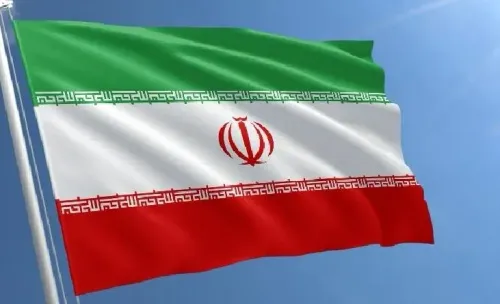
US Secretary of State Marco Rubio put the world on notice: help Iran dodge American sanctions and you could be next on the sanctions list. The warning, delivered while dismissing reports of an India-Iran trade deal, signals Washington's intent to enforce secondary sanctions aggressively — a pressure point with direct implications for India's Chabahar port engagement and its balancing act between Washington and Tehran.
Key Takeaways
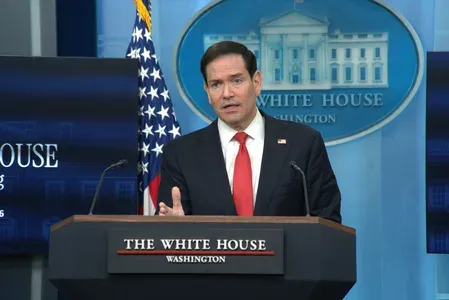
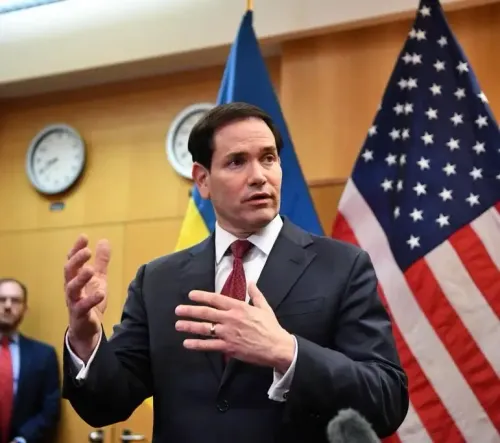
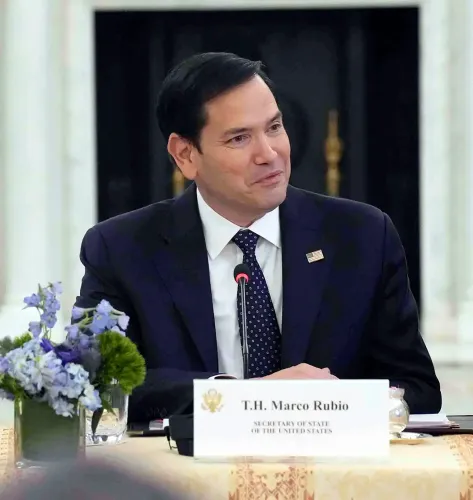
US Secretary of State Marco Rubio warned on 3 September that countries helping Iran evade sanctions could themselves face US penalties.
Rubio dismissed reports of an India-Iran trade deal , saying 'I don't think there's a trade deal between India and Iran.' He said President Donald Trump has been unequivocal: no country should help Iran generate revenue used to sponsor terrorism or build a nuclear weapon.
Rubio reaffirmed that Iran will never be allowed to possess a nuclear weapon under the Trump administration, with economic pressure as the primary tool and military action reserved as an option.
India has longstanding ties with Iran, including involvement in developing the Chabahar port — a key trade route to Afghanistan and Central Asia.
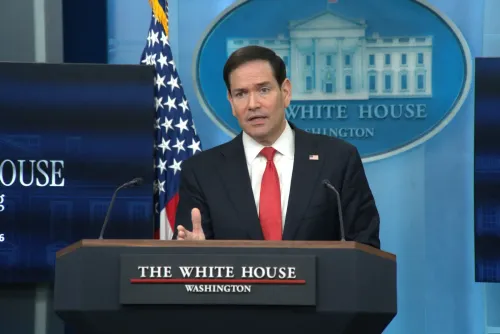
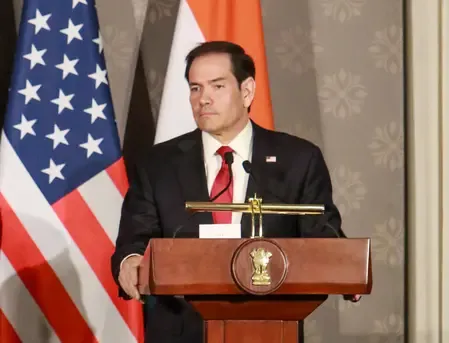
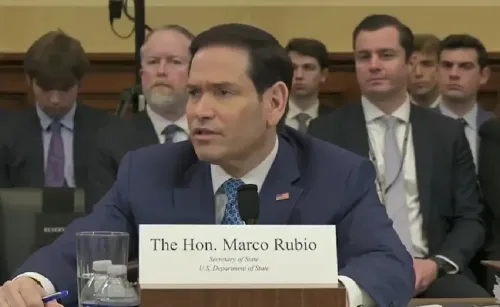
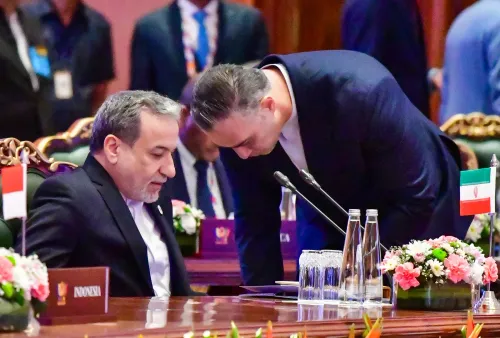
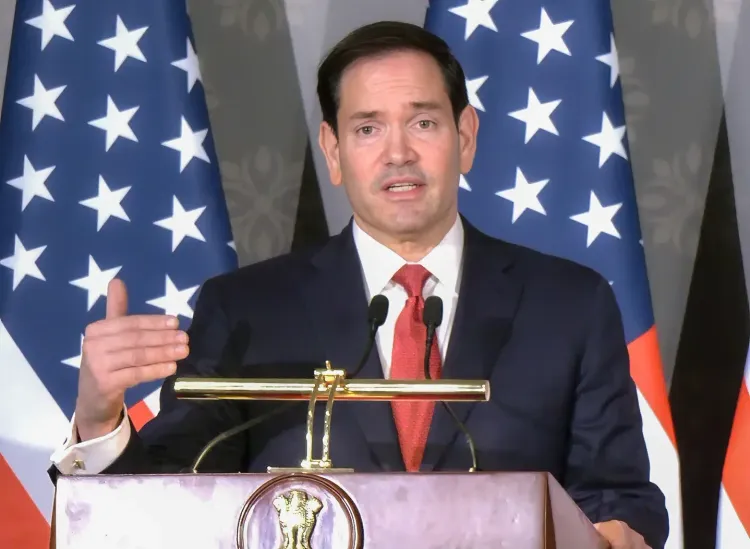
US Secretary of State Marco Rubio on 3 September warned that any country helping Iran circumvent American sanctions could itself face penalties, while dismissing reports that India and Iran were moving toward a trade agreement. The remarks came in response to questions about Prime Minister Narendra Modi's recent meeting with Iranian officials and speculation about a bilateral trade deal.
Rubio Dismisses India-Iran Trade Deal Reports
Asked specifically about Modi's engagement with the Iranian President and the possibility of a trade arrangement, Rubio was direct. 'I don't think there's a trade deal between India and Iran,' he said in an interview with The Brian Kilmeade Show. He acknowledged that nations routinely pursue independent foreign policies and maintain their own channels with Tehran — noting that Washington itself had held contact with Iranian government representatives in various discussions.
'Countries all develop their own foreign policy, and many countries around the world talk to the Iranian regime,' Rubio said. 'We've met with elements of the Iranian regime as well, in terms of some of these discussions that have occurred and there's been contact with them.'
The Sanctions Warning
Despite acknowledging diplomatic realities, Rubio drew a firm line on sanctions compliance. He said President Donald Trump had made it unambiguously clear that no nation should help Tehran build revenue streams or bypass economic restrictions.
'No country should be out there helping them create mechanisms by which they can generate revenue that they will then use to sponsor terrorism and try to build a nuclear weapon,' Rubio said. 'And if countries decide to do that, then we're going to have to sanction them too.'
This comes amid intensifying US pressure on Iran under the Trump administration's 'maximum pressure' posture, which has sought to choke off Iranian oil exports and financial channels globally. Notably, secondary sanctions — penalties on third-party nations or entities doing business with a sanctioned country — have historically been one of Washington's most potent enforcement tools.
Nuclear Weapon: A Red Line
Rubio reiterated that preventing Iran from acquiring a nuclear weapon remained the central objective of the Trump administration's Iran policy. 'Iran will never be allowed to possess a nuclear weapon, certainly not as long as President Trump is in office,' he said.
He outlined a primarily economic approach to pressure, while explicitly reserving the military option. 'As long as they continue to endeavour or claim to want one, they're going to pay a price for it, and that price is going to be primarily economic,' Rubio said. 'But we reserve the right, as we said, to take military action when necessary — not just to protect ourselves but to prevent them from being able to threaten others as well.'
Strait of Hormuz and Iran's Alleged Proxy Financing
On the Strait of Hormuz, Rubio said Iran had continued firing at commercial vessels, while the United States had destroyed mines placed in the strategically critical waterway. 'The straits will remain open, and they will not be under Iranian control,' he said.
He also accused Tehran of channelling financial resources toward armed proxy groups rather than domestic welfare. 'They want money for two things — to sponsor terrorism and ultimately to have a nuclear weapon,' Rubio said. 'And we can't allow that to happen.'
India's Stakes: Chabahar and Beyond
India and Iran share longstanding diplomatic and commercial ties. India has been centrally involved in developing Iran's Chabahar port, which provides a strategic trade corridor to Afghanistan and Central Asia bypassing Pakistan. How Rubio's warning lands in New Delhi — and whether it affects India's Chabahar calculus — will be closely watched in the weeks ahead.
Point of View
Rubio is drawing a line without naming India directly — a diplomatic pressure tactic that gives New Delhi room to step back without a formal confrontation. The harder question is whether India's strategic autonomy doctrine can survive a US administration that has shown far less patience for third-country hedging than its predecessors.
NationPress
18 Oct 2026
Frequently Asked Questions
What did US Secretary of State Rubio say about countries helping Iran evade sanctions?
Rubio warned that any country helping Iran circumvent American sanctions could itself face US penalties. He said no country should help Iran create revenue mechanisms used to sponsor terrorism or develop a nuclear weapon, adding that Washington would sanction those that do.
Did Rubio confirm an India-Iran trade deal?
No. Rubio explicitly dismissed reports of a trade deal, saying 'I don't think there's a trade deal between India and Iran.' He acknowledged that countries maintain independent foreign policies and contact with Tehran, including the US itself, but drew a firm line on sanctions evasion.
What is the US position on Iran's nuclear programme?
Rubio stated that Iran will never be allowed to possess a nuclear weapon under the Trump administration. The US strategy relies primarily on economic pressure but explicitly reserves the right to take military action when deemed necessary.
Why does this warning matter for India?
India has longstanding commercial and diplomatic ties with Iran, including its involvement in developing the Chabahar port — a strategic trade route to Afghanistan and Central Asia that bypasses Pakistan. US secondary sanctions, if applied, could complicate India's continued engagement with that project and broader Iran-linked trade.
What did Rubio say about the Strait of Hormuz?
Rubio said Iran had continued firing at commercial ships in the Strait of Hormuz, while the US had destroyed mines placed in the waterway. He pledged that the strait would remain open and not fall under Iranian control.