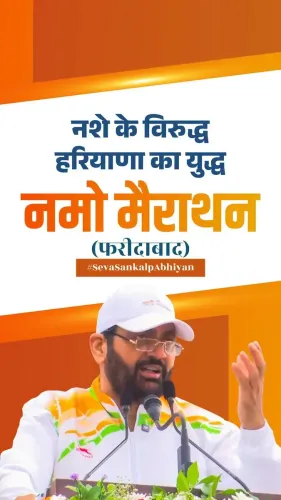
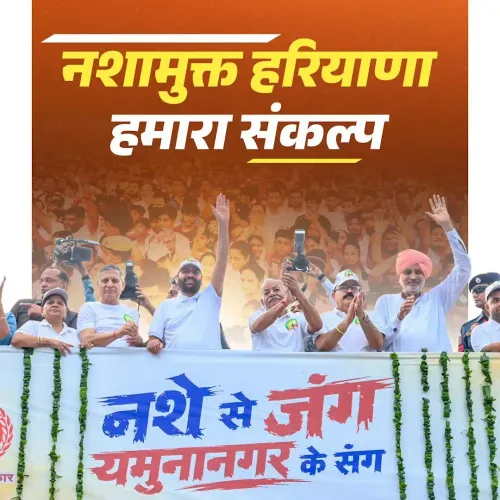
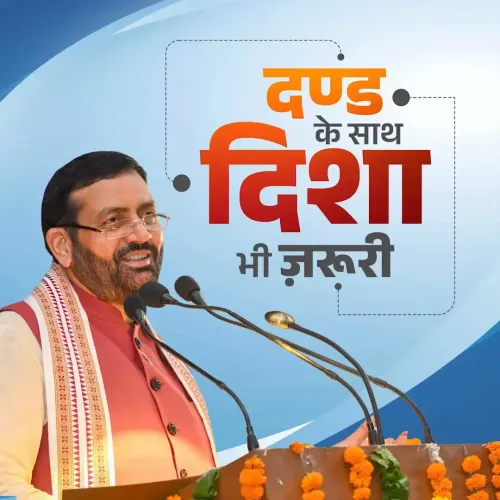
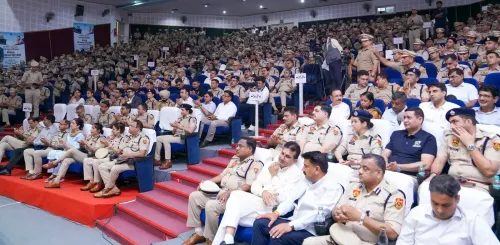
CM Nayab Saini Vows Bulldozer Crackdown on Drug Mafia in Haryana
Synopsis
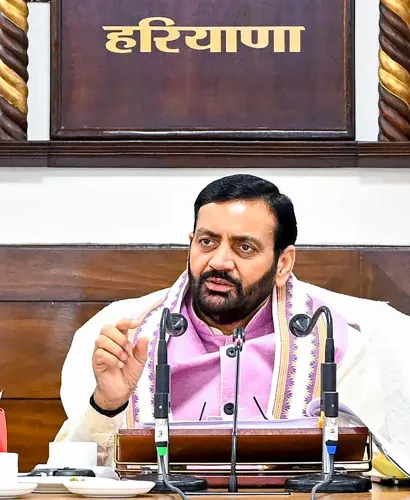
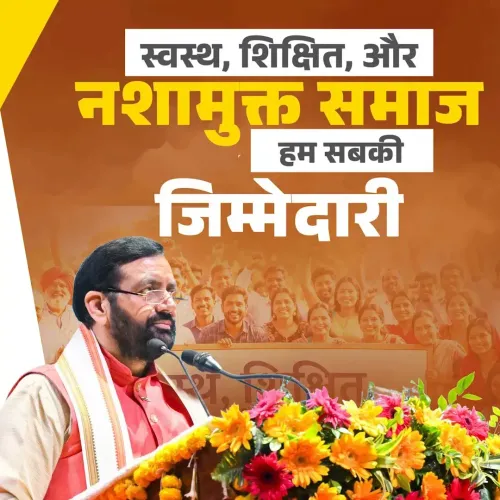
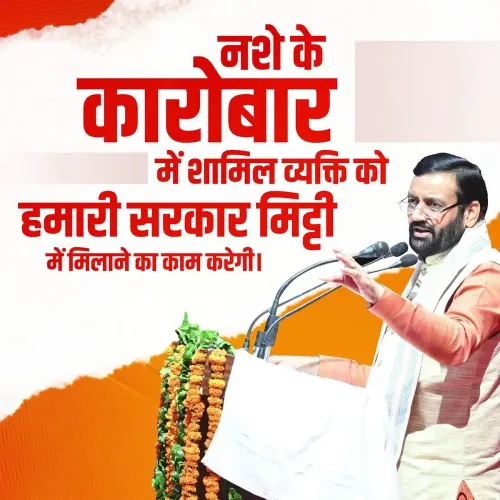
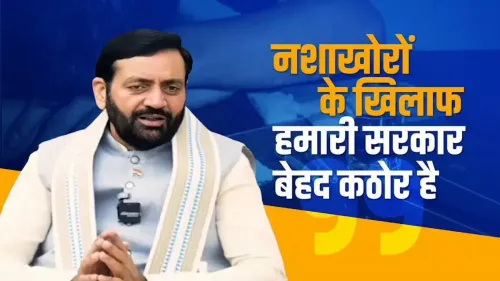
Haryana Chief Minister Nayab Singh Saini declared on October 14 that police have an unconditional mandate to act against the drug mafia, promising bulldozer demolitions of properties linked to narcotics networks — the latest instance of BJP-governed states deploying high-visibility enforcement against organised crime.
Key Takeaways
Haryana CM Nayab Singh Saini declared on October 14, 2026 that police have a 'free hand' against the drug mafia.
He specifically invoked 'bulldozer action' — demolition of properties linked to narcotics networks — as a key enforcement tool.
The strategy mirrors the approach pioneered in Uttar Pradesh from 2017 under BJP governance, now being applied in Haryana .
Haryana borders Delhi and has documented drug-trafficking challenges, making narcotics a high-stakes political and public-health issue in the state.
Demolition-based enforcement has previously faced legal scrutiny in Indian courts over due-process concerns.
Follow-on ground actions — arrests, actual demolitions, and potential court challenges — will test whether this marks a sustained campaign.
Haryana Chief Minister Nayab Singh Saini sent a blunt message to the state's drug networks on Wednesday, October 14, 2026: the police will not stand down, and properties linked to the narcotics trade are in the bulldozer's path. In two sharp lines, the Chief Minister signalled zero-tolerance — not as a promise, but as a standing order.
Saini's post, written in Hindi, read: 'पुलिस नहीं रुकेगी, खुली छूट है' ('The police will not stop — they have a free hand') and 'नशा माफिया पर बुलडोजर प्रहार' ('Bulldozer strike on the drug mafia'). The language is deliberate and familiar — the same vocabulary that has defined law-enforcement optics in several BJP-governed states over the past decade.
The Bulldozer as a Political and Legal Tool
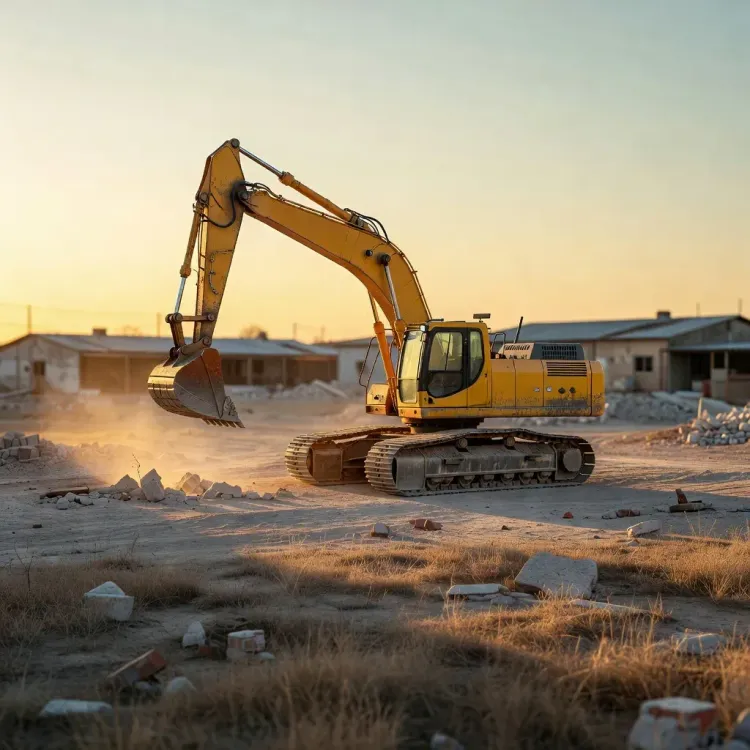
The demolition-as-enforcement strategy was pioneered at scale in Uttar Pradesh from 2017 onward, when the state government began razing structures allegedly linked to criminal networks. The imagery — a yellow machine rolling toward a property — became one of the most recognisable symbols of BJP-era law-and-order politics, widely described in public discourse as 'bulldozer justice.' Haryana, which shares a border with Delhi and has documented struggles with narcotics trafficking, is now amplifying that signal.
The post's accompanying video, though details of its content are not independently confirmed here, suggests an operational visual — consistent with the tradition of state governments releasing footage of demolition actions to demonstrate follow-through. The phrase 'free hand' (khuli chhut) indicates that Saini is publicly backing police discretion in enforcement actions against drug mafia assets.
Haryana's Drug Problem and the Stakes of the Crackdown
Haryana has long grappled with the northward flow of synthetic drugs and heroin through its districts, a challenge it shares with neighbouring Punjab. For a state that has built its identity on agricultural output and sporting excellence, the narcotics economy represents a direct threat to rural youth. A visible crackdown — particularly one that hits traffickers in their assets — is both a policing strategy and a political statement ahead of any future accountability cycle.
The broader pattern across BJP-ruled states is consistent: demolition of illegal structures tied to accused persons is used as a deterrent that operates faster and more visibly than court proceedings. That approach has faced legal scrutiny in courts, with questions raised about due process and the rights of co-occupants. What happens on the ground in the days following Saini's declaration — the number of demolitions carried out, arrests made, and any legal challenges filed — will determine whether this is a sustained enforcement push or a one-day messaging moment.
Point of View
Asset-striking enforcement over slower judicial processes, and which has proven politically effective in northern India. By granting police a public 'free hand,' the Chief Minister is also pre-emptively shielding enforcement personnel from accusations of overreach, framing any action as state-sanctioned. The declaration fits a broader pattern in which BJP chief ministers use social-media declarations to set enforcement tone as much as to announce operational decisions. The critical variable now is legal pushback: courts have increasingly examined whether demolitions of accused persons' properties satisfy due-process standards, and Haryana's actions will likely face the same scrutiny.
NationPress
14 Oct 2026
Frequently Asked Questions
What did Haryana CM Nayab Singh Saini say about the drug mafia?
Saini declared on October 14, 2026 that Haryana police will not stop their operations and have a 'free hand,' and that bulldozer action will be taken against the drug mafia's properties.
What is 'bulldozer action' against criminals in India?
Bulldozer action refers to the practice of demolishing properties — often houses or commercial structures — allegedly linked to accused criminals. It was first used systematically in Uttar Pradesh from 2017 and has since been adopted by several BJP-governed states.
Is Haryana facing a drug trafficking problem?
Yes. Haryana has documented challenges with narcotics trafficking, partly due to its location bordering Delhi and proximity to drug-supply routes affecting northern India, particularly affecting rural youth.
Has bulldozer enforcement faced legal challenges in India?
Yes. Indian courts have raised due-process concerns about demolishing properties of accused persons before conviction, questioning whether co-occupants' rights are adequately protected. Haryana's actions could face similar scrutiny.
Who is Nayab Singh Saini?
Nayab Singh Saini is the Chief Minister of Haryana and a BJP leader who assumed office in 2024, previously serving as a state minister.