CM Nitish Kumar Calls Bihar Satellite Township MoU Historic
Synopsis
Chief Minister Nitish Kumar has called a newly signed satellite township agreement a historic step for Bihar's urban development, promising modern housing, infrastructure, and employment generation across the state.
Key Takeaways
The Chief Minister's Office of Bihar announced a satellite township development agreement on 3 July 2026 .
CM Nitish Kumar described the MoU as a 'historic initiative' in Bihar's urban development.
The townships are expected to deliver better residential facilities and modern infrastructure.
New employment opportunities are a stated goal of the satellite township programme.
Bihar's move follows similar township MoUs signed by states such as Uttar Pradesh and Maharashtra .
Next steps include tendering, land acquisition, and rollout timelines to be confirmed in assembly or budget proceedings.
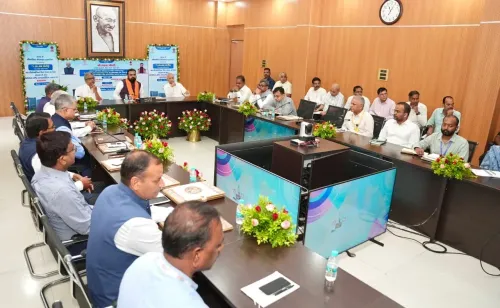
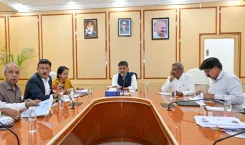
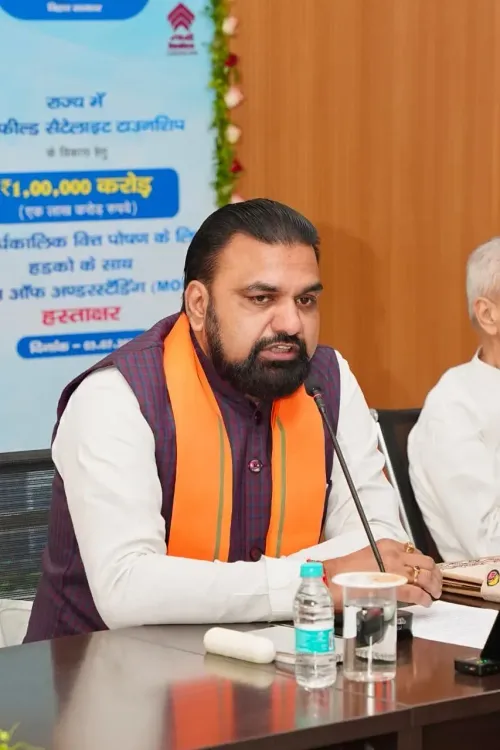
The Chief Minister's Office of Bihar announced on Friday, 3 July 2026 that Chief Minister Nitish Kumar has described a newly signed agreement for developing satellite townships in the state as a landmark step in Bihar's urban development journey. The announcement, made via the official CMO handle, signals the state government's intent to expand planned urban infrastructure beyond its existing city cores.
Speaking at the occasion, Chief Minister Nitish Kumar stated — in his words — 'yah samajhauta Bihar ke shahri vikas ki disha mein ek aitihasik pahal hai' ('this agreement is a historic initiative in the direction of Bihar's urban development'). He added that the development of these state-of-the-art satellite townships would generate better residential facilities, modern infrastructure, and new employment opportunities in the state.
Context
Bihar, an eastern Indian state with a rapidly growing urban population, has long faced pressure on its primary cities — most acutely Patna — to absorb migration and provide adequate housing. Planned satellite townships are seen as a structured response to this pressure, distributing population and economic activity into new, purpose-built nodes rather than allowing unplanned sprawl.
The agreement announced on 3 July 2026 represents a formal commitment by the state government to pursue this model. Chief Minister Nitish Kumar, who has helmed Bihar's administration since 2005 with periodic breaks, has consistently positioned infrastructure investment as central to the state's development narrative.
Policy Backdrop
Bihar's push for satellite townships builds on a broader national policy architecture. The state participated in the Smart Cities Mission (launched 2015) and the AMRUT (Atal Mission for Rejuvenation and Urban Transformation) scheme, both aimed at upgrading urban infrastructure and expanding civic services in Indian cities.
The satellite township model has precedents across India. States including Uttar Pradesh and Maharashtra have signed similar agreements for integrated township development, linking residential expansion with roads, utilities, and commercial zones. Bihar's MoU places it within this wider pattern of state-led urban planning initiatives.
Stakeholders and Impact
The primary beneficiaries of the proposed townships are Bihar's urban residents — particularly those seeking affordable, planned housing with modern amenities. The construction and real-estate sector stands to gain significantly, as large-scale township projects generate demand for labour, materials, and ancillary services, creating employment across skill levels.
The Chief Minister specifically highlighted three anticipated outcomes: improved residential facilities, modern foundational infrastructure, and the creation of new employment avenues. If executed as envisioned, the townships could also ease congestion and service strain on existing urban centres such as Patna.
What's Next
The immediate steps to watch include the tendering process for township development, land acquisition proceedings, and the timeline for ground-level rollout. These details are expected to surface in state assembly sessions or upcoming budget documents.
The credibility and pace of the initiative will ultimately be tested by how quickly the government moves from agreement to implementation — a challenge that has historically slowed similar urban projects in Indian states. Progress on these fronts will determine whether the 3 July 2026 MoU translates into tangible change for Bihar's urban landscape.
Point of View
A narrative he has cultivated since his early tenures in office. By anchoring the MoU in the language of employment and modern amenities, the CMO is clearly targeting both urban middle-class aspirations and the construction-sector workforce simultaneously. The move also aligns Bihar with a national trend of state governments using planned townships as a visible, photogenic policy deliverable ahead of electoral cycles. The real test, however, will be in execution — land acquisition and tendering timelines have historically been the point at which similar announcements in Indian states have stalled.
NationPress
3 Jul 2026
Frequently Asked Questions
What is the Bihar satellite township agreement announced in July 2026?
It is a memorandum of understanding signed by the Bihar government for developing modern satellite townships in the state, aimed at providing better housing, infrastructure, and employment opportunities beyond existing urban centres.
What did CM Nitish Kumar say about the satellite township MoU?
Chief Minister Nitish Kumar called it a 'historic initiative' in Bihar's urban development, stating it would create better residential facilities, modern infrastructure, and new employment avenues in the state.
How will Bihar's satellite townships create employment?
Large-scale township construction generates demand for labour across skill levels — from civil construction workers to engineers and ancillary service providers — as well as longer-term jobs in the commercial and residential zones once developed.
How does Bihar's satellite township plan compare to other Indian states?
Bihar's approach follows similar MoUs signed by states such as Uttar Pradesh and Maharashtra, which have pursued integrated satellite township development to manage urban population pressure and stimulate construction-linked economic activity.
What are the next steps after the Bihar satellite township MoU?
Key milestones to watch include the tendering process for developers, land acquisition proceedings, and the official rollout timeline, which are expected to be detailed in state assembly sessions or budget documents.