CM Bhupendra Patel Steers Gujarat Toward Semiconductor Hub

Synopsis
The Chief Minister's Office of Gujarat declared on 3 July 2026 that the state is making a rapid leap toward becoming a semiconductor hub under CM Bhupendra Patel, aligned with PM Modi's national Semicon Vision and centred on the Sanand industrial corridor in Ahmedabad district.
Key Takeaways
The CMO Gujarat announced on 3 July 2026 that the state is advancing rapidly toward becoming a semiconductor hub .
CM Bhupendra Patel is leading multiple state-level semiconductor initiatives aligned with PM Modi's Semicon Vision .
Sanand , Ahmedabad district, is the focal geography, branded via the hashtag #SanandSemiconLeap .
The India Semiconductor Mission , launched in December 2021 with a Rs 76,000 crore outlay, underpins the national policy framework.
Companies including Micron Technology , Tata Electronics , and CG Power have signed MoUs for semiconductor units since 2023 .
Gujarat competes with Tamil Nadu , Assam , and Uttar Pradesh to attract global semiconductor investment.
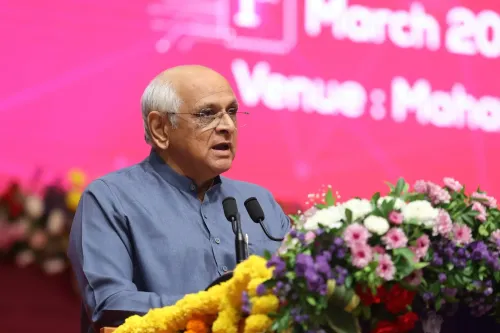
The Chief Minister's Office of Gujarat announced on Friday, 3 July 2026 that the state is making rapid strides toward becoming a semiconductor hub, driven by multiple initiatives under Chief Minister Bhupendra Patel and aligned with Prime Minister Narendra Modi's national semiconductor vision.
The post, shared in Gujarati, states: 'Semiconductor ecosystem na vikas maate pratibaddh Gujarat ni mukhyamantri shri Bhupendrabhai Patel na netrutva ma vividh pahel thaki semiconductor hub banva taraf haranphal' — broadly translated as: 'Under the leadership of Chief Minister Bhupendra Patel, Gujarat is making a giant leap toward becoming a semiconductor hub through various initiatives committed to developing the semiconductor ecosystem in alignment with PM Narendra Modi's Semicon Vision.' The post is tagged #SanandSemiconLeap, pointing directly to Sanand in Ahmedabad district as the focal geography of this push.
Context
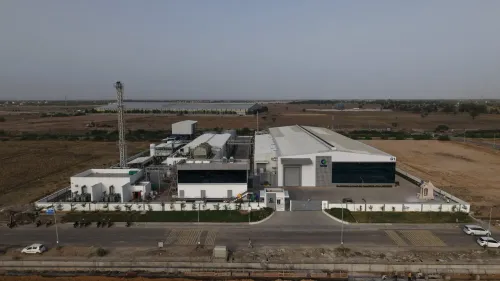
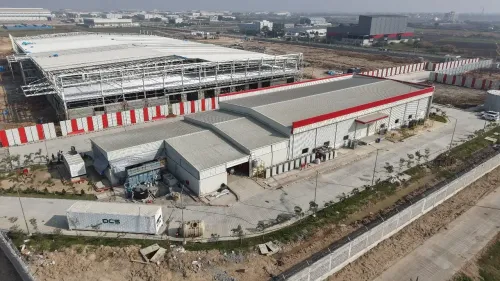
Sanand, long known as an automotive manufacturing corridor in Gujarat, has in recent years been repositioned as a priority destination for semiconductor assembly, testing, and packaging facilities. The hashtag #SanandSemiconLeap signals that the state government is actively branding this industrial zone as the centrepiece of its chip-sector ambitions. The CMO's communication underscores that Gujarat views the semiconductor race as both an economic and a strategic priority.
Policy Backdrop
The central government launched the India Semiconductor Mission (ISM) in December 2021 with a financial outlay of Rs 76,000 crore to support fabrication, assembly, testing, and packaging units across the country. The mission offers capital subsidies to eligible investors and is the primary vehicle through which PM Modi's 'Semicon Vision' — aimed at reducing India's dependence on chip imports from Taiwan, South Korea, and China — is being operationalised. Gujarat has positioned itself at the front of the queue for ISM-linked investments, competing with Tamil Nadu, Assam, and Uttar Pradesh.
Since 2023, several memoranda of understanding have been signed with companies including Micron Technology, Tata Electronics, and CG Power for semiconductor units in various states. Micron's assembly, testing, marking, and packaging (ATMP) plant at Sanand is among the most prominent confirmed projects in the pipeline, underscoring the town's emergence as a preferred destination for global chipmakers.
Stakeholders and Impact
The primary beneficiaries of Gujarat's semiconductor push are electronics manufacturers, global semiconductor investors, and the local workforce in and around Sanand and the broader Ahmedabad region. State-level incentives — covering land allocation, power tariffs, and logistics support — complement the central government's capital subsidy framework, making the combined offer attractive for capital-intensive chip facilities. Local ancillary industries, from precision engineering to chemical suppliers, also stand to gain from the ecosystem build-out.
For the broader Indian economy, a functioning semiconductor cluster in Gujarat would contribute to reducing the country's annual semiconductor import bill, which runs into tens of billions of dollars, and would help insulate domestic electronics supply chains from global chip shortages of the kind witnessed in 2020-22.
What's Next
Attention will now turn to concrete milestones: ground-breaking ceremonies, commercial production timelines, and follow-up state budget allocations for infrastructure around Sanand. The state government's use of the phrase 'giant leap' (haranphal) and the dedicated hashtag suggest further announcements — possibly tied to investment summits or project inaugurations — are in the offing. If Gujarat succeeds in operationalising multiple semiconductor facilities, it could set a template that other Indian states seek to replicate, deepening the national chip ecosystem well beyond a single cluster.
Point of View
With Tamil Nadu, Assam, and Uttar Pradesh all vying for the same global investors. The CMO's communication, timed well after the India Semiconductor Mission's early MoU wave, suggests the state wants to shift the narrative from deal-signing to delivery — a politically significant signal ahead of any upcoming project inaugurations. For PM Modi, Gujarat operationalising semiconductor facilities would validate the Rs 76,000 crore ISM bet and reinforce the Atmanirbhar Bharat story in a high-visibility sector. The real test, however, remains whether ground-level production timelines match the momentum of the announcements.
NationPress
3 Jul 2026
Frequently Asked Questions
What is Gujarat's semiconductor hub plan?
Gujarat is developing a semiconductor ecosystem centred on Sanand in Ahmedabad district, with state incentives for assembly, testing, and packaging facilities aligned with the central government's India Semiconductor Mission and PM Modi's Semicon Vision.
What is the India Semiconductor Mission?
The India Semiconductor Mission is a central government programme launched in December 2021 with a Rs 76,000 crore outlay to provide financial support for semiconductor fabrication, assembly, testing, and packaging units in India.
Why is Sanand important for semiconductors in India?
Sanand, an industrial corridor in Ahmedabad district, Gujarat, is being repositioned from an automotive hub to a semiconductor cluster, with companies such as Micron Technology having announced assembly and testing facilities there.
What did CM Bhupendra Patel announce about semiconductors?
The Chief Minister's Office of Gujarat stated on 3 July 2026 that under CM Bhupendra Patel's leadership, the state is making a giant leap toward becoming a semiconductor hub through various initiatives tied to PM Modi's Semicon Vision.
Which companies are investing in semiconductors in Gujarat?
Micron Technology, Tata Electronics, and CG Power are among the companies that have signed memoranda of understanding for semiconductor units in India since 2023, with Micron's ATMP plant at Sanand being a prominent confirmed project.