CM Nitish Launches Patna Metro Smart Card, Cites Traffic Relief
Synopsis
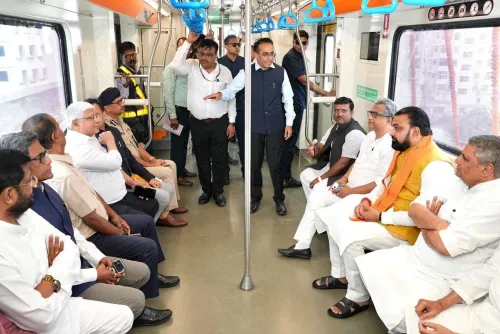
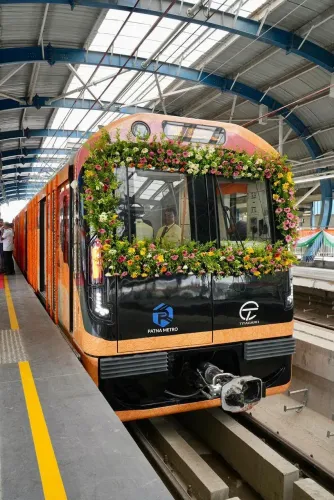
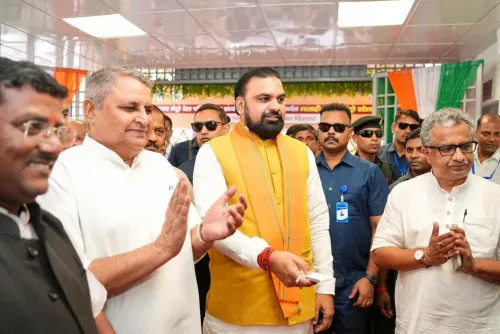
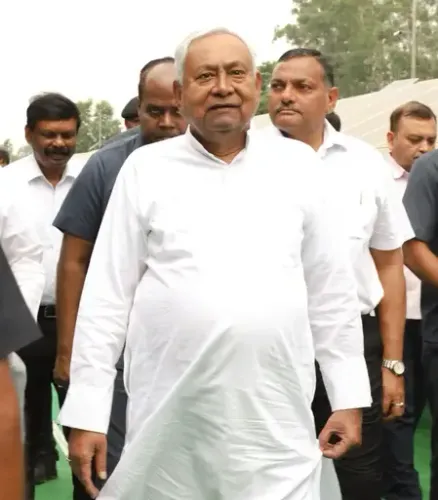
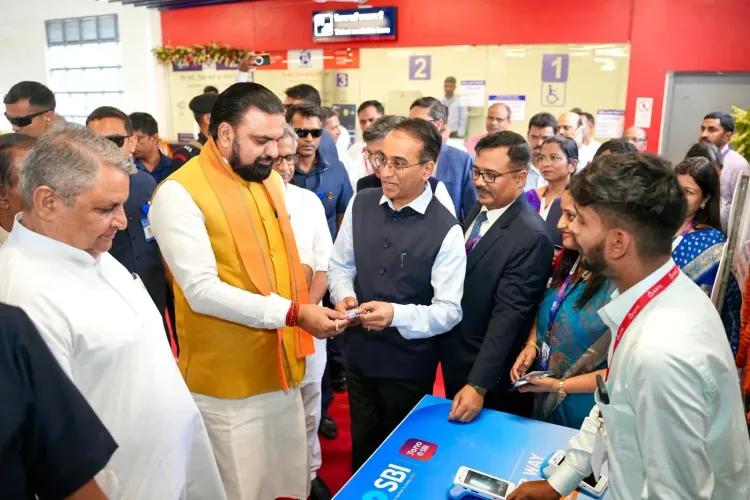
Chief Minister Nitish Kumar launched the Patna Metro Pre-Paid Smart Card on 2 July 2026, stating the metro expansion will ease road traffic, speed up travel, and help control pollution in Bihar's capital.
Key Takeaways
CM Nitish Kumar launched the Patna Metro Pre-Paid Smart Card on 2 July 2026 .
The CM stated metro expansion will reduce road traffic pressure and make travel faster, safer and more convenient.
The smart card enables contactless automated fare collection on the Patna Metro network.
The Patna Metro Rail Project received Union Cabinet approval in February 2019 ; Phase-1 DPRs were cleared in 2020-21 .
Bihar's metro push mirrors similar urban transit roll-outs in Lucknow , Kanpur , and Ahmedabad .
The smart card launch signals fare infrastructure is ready ahead of full commercial operations on Phase-1 corridors.
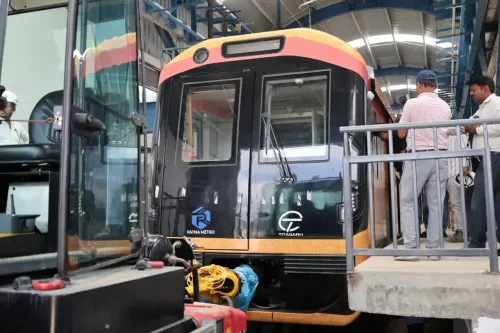
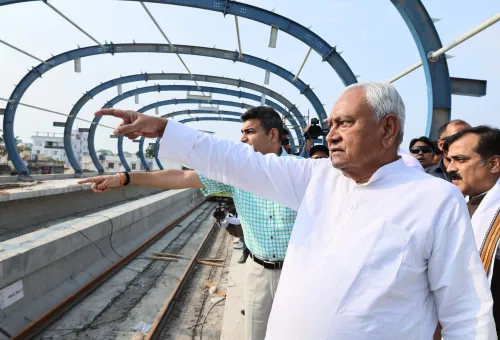
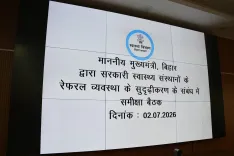
The Chief Minister's Office of Bihar announced on Thursday, 2 July 2026 that Chief Minister Nitish Kumar has launched the Patna Metro Pre-Paid Smart Card, marking a significant step in the operationalisation of the city's mass rapid transit network. The CM also underscored the metro's role in easing road congestion, improving travel speed and safety, and curbing urban pollution in Patna.
Context
Addressing the occasion, CM Nitish Kumar stated — in the official post's words — that 'metro sewa ke vistar se sadak yatayat ka dabaav kam hoga, yatra adhik tez, surakshit evam suvidhaajanak banegi tatha pradushan niyantran mein bhi mahatvapurn yogdan milega' ('the expansion of metro services will reduce road traffic pressure, make travel faster, safer and more convenient, and will also make a significant contribution to pollution control'). The launch of the contactless pre-paid smart card is intended to streamline automated fare collection across the Patna Metro network.
Policy Backdrop
The Patna Metro Rail Project received in-principle approval from the Union Cabinet in February 2019, with detailed project reports for two Phase-1 corridors cleared by the Ministry of Housing and Urban Affairs in 2020-21. The project follows a funding model combining state and central resources, consistent with the approach used under the AMRUT (Atal Mission for Rejuvenation and Urban Transformation) umbrella that has guided metro expansions in cities such as Lucknow, Kanpur, and Ahmedabad. Bihar's initiative reflects a wider national pattern of state capitals adopting rail-based urban transit to manage rising congestion and deteriorating air quality.
Stakeholders and Impact
Patna, one of India's fastest-growing urban centres, has seen mounting traffic volumes and air-quality concerns in recent years. Urban commuters and city residents stand to benefit directly from a faster, cleaner alternative to road transport. The pre-paid smart card, a contactless fare-integration tool, is designed to reduce boarding times and improve the overall passenger experience — a model already proven in metro systems across the country.
The Bihar Government under CM Nitish Kumar, who has led the state for multiple terms since 2005, has consistently positioned urban mobility infrastructure as a development priority. The metro project represents one of the most capital-intensive urban investments the state has undertaken.
What's Next
Attention will now turn to the operational start dates for Patna Metro Phase-1 corridors and any forthcoming state budget provisions for Phase-2 extensions or multimodal integration with bus and rail networks. The smart card launch signals that fare-collection infrastructure is being put in place ahead of full commercial operations, suggesting the project is moving closer to its public launch phase. How quickly ridership scales will be a key indicator of whether the metro meaningfully shifts commuter behaviour in Patna.
Point of View
Passenger-facing infrastructure before full metro operations begin builds political momentum and public anticipation. Bihar has historically lagged peer states on urban mobility, so the Patna Metro represents a flagship narrative for the CM heading into future electoral cycles. The alignment with central AMRUT-era policy also allows the state to share credit with New Delhi, a politically useful dynamic for a government that has navigated complex coalition arrangements at the national level. The real test will come when Phase-1 corridors open to daily commuters and ridership numbers are made public.
NationPress
2 Jul 2026
Frequently Asked Questions
What is the Patna Metro Pre-Paid Smart Card?
The Patna Metro Pre-Paid Smart Card is a contactless card launched by CM Nitish Kumar on 2 July 2026 to enable automated fare collection and improve passenger convenience on the Patna Metro network.
When was the Patna Metro project approved?
The Union Cabinet granted in-principle approval for the Patna Metro Rail Project in February 2019, with detailed project reports for Phase-1 corridors cleared by the Ministry of Housing and Urban Affairs in 2020-21.
What did CM Nitish Kumar say about the Patna Metro expansion?
CM Nitish Kumar stated that the expansion of metro services will reduce road traffic pressure, make travel faster, safer and more convenient, and contribute significantly to pollution control in Patna.
Which corridors does Patna Metro Phase-1 cover?
Phase-1 of the Patna Metro covers two corridors linking key residential and commercial areas of the city, as cleared in the detailed project reports approved in 2020-21.
How does Patna Metro compare to other Indian city metros?
Patna Metro follows a similar model to metro expansions in Lucknow, Kanpur, and Ahmedabad, combining state and central funding under frameworks aligned with the AMRUT mission to address urban congestion and emissions.