HP CM Office Orders Retrieval of 658 MW SJVN Hydro Projects
Synopsis
The Chief Minister's Office of Himachal Pradesh has ordered officials to begin reclaiming three hydropower projects — 382 MW Sunni, 210 MW Luhri Phase-1, and 66 MW Dhaulasiddh — previously allotted to SJVN Limited, following a high-level energy department review in Shimla on 2 July 2026.
Key Takeaways
The HP Chief Minister's Office directed energy officials on 2 July 2026 to initiate retrieval of three SJVN-allotted hydropower projects.
The three projects — 382 MW Sunni , 210 MW Luhri Phase-1 , and 66 MW Dhaulasiddh — have a combined capacity of 658 MW .
All projects are located in Himachal Pradesh and were originally allotted to SJVN Limited , a joint-venture PSU of the central and state governments.
The decision follows a high-level Energy Department meeting chaired in Shimla .
Himachal Pradesh has a precedent of withdrawing hydropower allotments from PSUs over implementation concerns or to pursue alternative development models.
The next steps include formal notices to SJVN and potential cabinet decisions on re-allotment or fresh tendering of the projects.
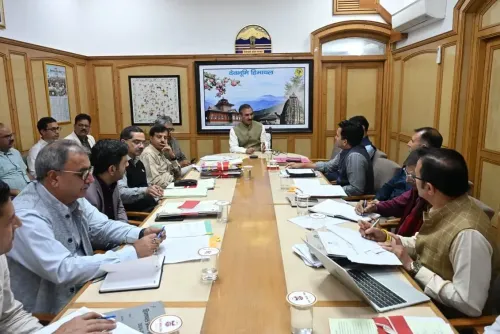
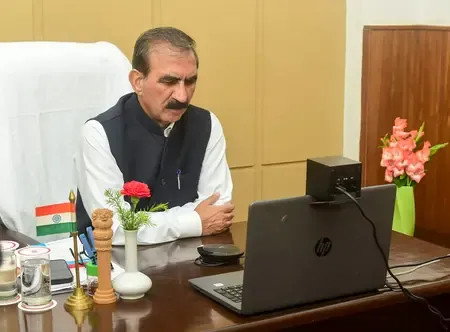
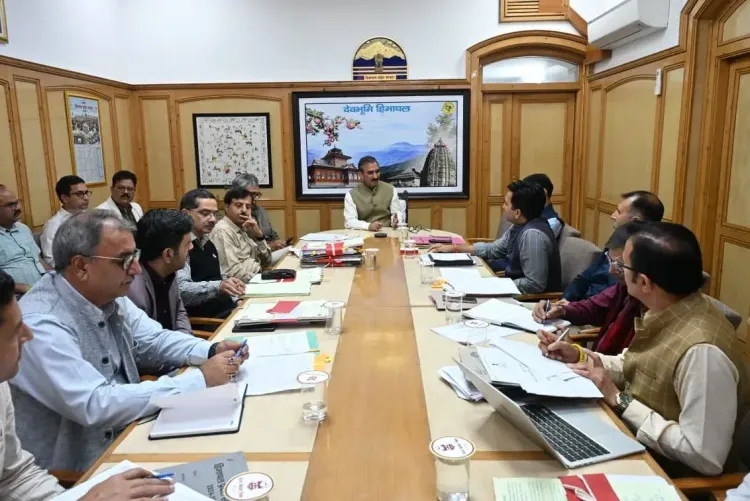
The Chief Minister's Office of Himachal Pradesh on Thursday, 2 July 2026, directed state energy department officials to initiate the process of reclaiming three major hydropower projects previously allotted to SJVN Limited — totalling 658 megawatts of installed capacity — following a high-level review meeting chaired in Shimla.
The post, shared by the official CMO Himachal Pradesh account, states: 'aaj Shimla mein urja vibhag ki uch stariya baithak ki adhyakshata karte hue adhikariyon ko purv mein SJVNL ko aavantit 382 MW Sunni, 210 MW Luhri Charan-1 tatha 66 MW Dhaulasiddh jalavidyut pariyojanaon ko wapas lene ki prakriya shuru karne ke nirdesh diye' — directing officials to begin the retrieval of the 382 MW Sunni, 210 MW Luhri Phase-1, and 66 MW Dhaulasiddh hydroelectric projects from SJVN.
Context
SJVN Limited is a joint-venture public sector undertaking of the Government of India and the Government of Himachal Pradesh, primarily engaged in hydropower development along the Satluj river basin. All three projects — Sunni (382 MW), Luhri Phase-1 (210 MW), and Dhaulasiddh (66 MW) — are located in Himachal Pradesh and were allotted to SJVN under state power policies formulated in the 2000s to accelerate development through joint-sector participation.
The combined capacity of the three projects stands at 658 MW, representing a significant share of the state's pipeline of hydropower assets under central or joint-sector management.
Policy Backdrop
Himachal Pradesh governments have periodically reviewed hydropower allotments and, in several instances, withdrawn projects from central or joint-sector PSUs citing implementation delays or a preference for alternative execution models. Such decisions are part of the state's broader effort to assert greater control over its substantial hydropower resources, which are constitutionally recognised as a key revenue and development asset for hill states.
The move sits within a national context of expanding renewable energy capacity while navigating complex environmental, social, and inter-governmental clearance frameworks. Withdrawal of allotments typically precedes fresh bidding or transfer to a state-owned entity for development.
Stakeholders and Impact
SJVN Limited stands as the most directly affected party; the retrieval process, once formally initiated, would require regulatory and possibly legal steps before the projects are re-allotted or developed through a different route. Communities in the project-area districts — particularly those along the Satluj river corridor — have long-standing interests in project timelines, employment, and local development commitments tied to these allotments.
Independent hydropower developers and state-sector entities could emerge as prospective beneficiaries if the projects are put to fresh tender. The decision may also have implications for SJVN's project pipeline disclosures and capacity targets.
What's Next
The immediate step is the formal initiation of the retrieval process by the Himachal Pradesh Energy Department, which would involve issuing notices to SJVN and engaging relevant regulatory bodies. Subsequent decisions — including whether the projects will be developed by a state entity, re-tendered, or restructured as revised joint ventures — are expected to emerge from cabinet-level deliberations in the coming months.
The trajectory of these three projects will be a bellwether for how Himachal Pradesh manages its hydropower development agenda at a time of heightened national focus on clean energy capacity addition.
Point of View
Signalling a reassertion of state control over natural resource assets. It fits a pattern seen across hill and resource-rich states that have grown impatient with the pace of central PSU-led project execution. The decision also arrives at a politically sensitive moment: hydropower allotments are tied to local employment and development commitments, giving the state government a visible lever to demonstrate responsiveness to project-area constituencies. How SJVN responds — and whether the projects are re-tendered or transferred to a state entity — will define the practical impact of this directive.
NationPress
2 Jul 2026
Frequently Asked Questions
Which hydropower projects is Himachal Pradesh reclaiming from SJVN?
Himachal Pradesh has directed officials to initiate retrieval of three projects: the 382 MW Sunni , 210 MW Luhri Phase-1 , and 66 MW Dhaulasiddh hydroelectric projects, all previously allotted to SJVN Limited.
What is SJVN and why does it hold these projects?
SJVN Limited is a joint-venture public sector undertaking of the Government of India and the Government of Himachal Pradesh. The three projects were allotted to SJVN under state hydropower policies from the 2000s aimed at accelerating development through joint-sector participation.
Why is Himachal Pradesh withdrawing the projects from SJVN?
The official post does not state a specific reason. Himachal Pradesh has historically reviewed and withdrawn hydropower allotments from PSUs citing implementation delays or a preference for alternative development models.
What happens to the projects after retrieval?
Once the retrieval process is formally completed, the state government is expected to decide whether to develop the projects through a state-owned entity, re-tender them to private or public developers, or restructure the arrangements with SJVN.
What is the total capacity of the three projects being reclaimed?
The combined installed capacity of the three projects is 658 MW — comprising 382 MW (Sunni), 210 MW (Luhri Phase-1), and 66 MW (Dhaulasiddh).