HP CM Office Orders Renegotiation of NHPC Duggar 500 MW Hydro Terms
Synopsis
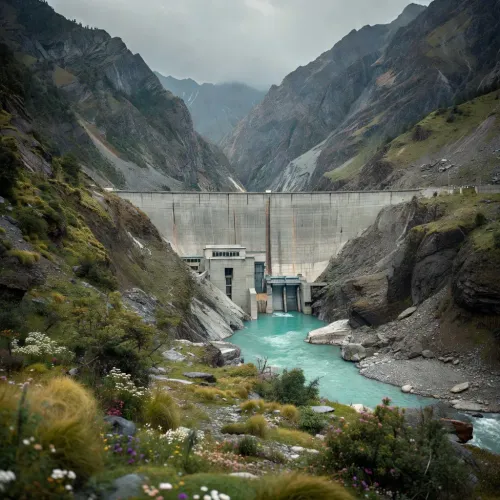
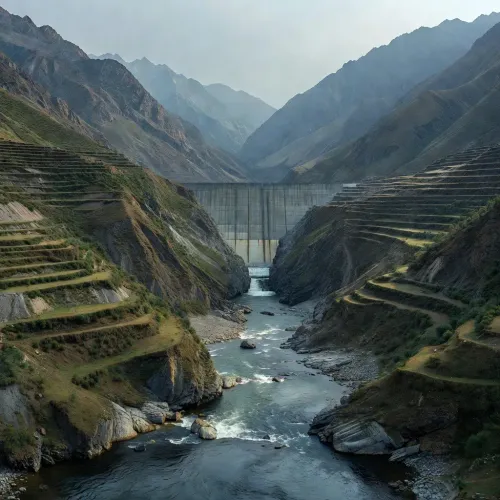
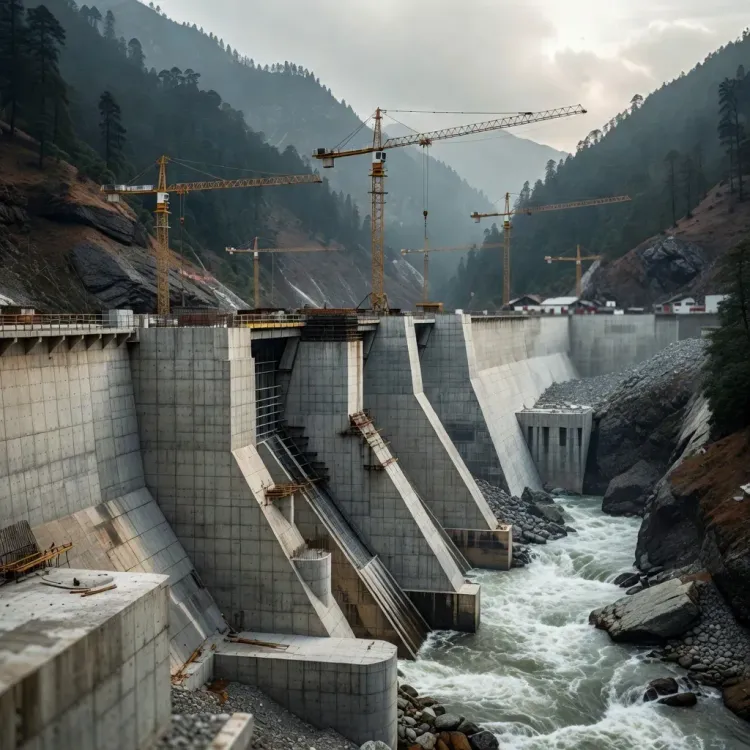
The Himachal Pradesh Chief Minister's Office has directed officials to renegotiate the terms of NHPC's 500 MW Duggar Hydroelectric Project after the central PSU proposed raising the dam height, a move that alters submergence, power output and existing contractual conditions.
Key Takeaways
The Chief Minister's Office of Himachal Pradesh issued a directive on 2 July 2026 to renegotiate terms with NHPC over the Duggar Hydroelectric Project .
The trigger for renegotiation is NHPC's proposal to increase the dam height of the 500 MW project.
A higher dam changes the submergence area, power output and environmental impact, making original contractual terms obsolete.
Himachal Pradesh has a history of renegotiating royalties, local employment and rehabilitation terms with central PSU developers when project parameters change.
Fresh environmental and forest clearance applications may be required if the modified design is approved.
The outcome could set a precedent for benefit-sharing negotiations between Himachal Pradesh and other central hydro developers in the state.
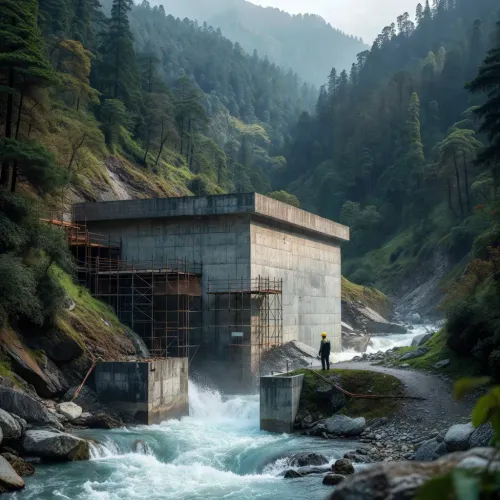
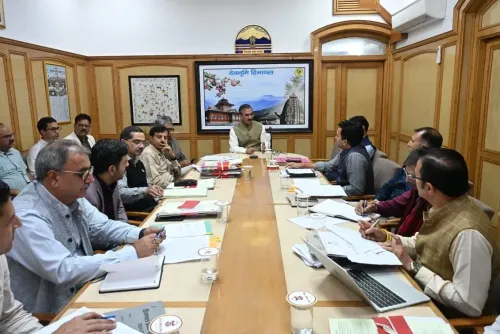
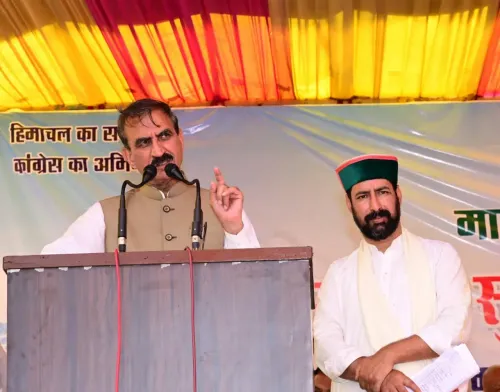
The Chief Minister's Office of Himachal Pradesh directed state officials on 2 July 2026 to reopen negotiations with the National Hydroelectric Power Corporation (NHPC) over the terms and conditions of the 500 MW Duggar Hydroelectric Project, after NHPC proposed increasing the dam height for the scheme it is developing in the state.
Context
The CMO's post states that officials have been instructed to renegotiate the terms of the Duggar project 'क्योंकि एनएचपीसी ने परियोजना में बांध की ऊंचाई बढ़ाने का प्रस्ताव दिया है' ('because NHPC has proposed increasing the dam height in the project'). A change in dam height typically alters the submergence area, power output, and environmental footprint of a hydroelectric scheme, making the original contractual terms materially different from those applicable to the revised design.
The directive signals that Himachal Pradesh intends to use NHPC's own design modification as leverage to secure more favourable conditions before the project advances further.
Policy Backdrop
The Duggar Hydroelectric Project is a 500 MW scheme assigned to NHPC Limited, a central public sector undertaking under the Government of India, for development in Himachal Pradesh. NHPC's role in Himalayan hydro development flows from the 2008 Hydro Power Policy, which encouraged central PSUs to partner with states to accelerate capacity addition.
Himachal Pradesh has a long record of renegotiating benefit-sharing terms with central developers, seeking higher royalties, greater local employment, and revised rehabilitation packages whenever project parameters change. The state's hydro resources are a significant source of revenue and political capital, making such renegotiations a routine but consequential feature of centre-state energy relations.
Stakeholders and Impact
An increase in dam height directly affects local communities in the submergence zone, who may face expanded displacement and altered rehabilitation entitlements. The state's Power Department and revenue authorities will need to reassess land acquisition requirements, while environmental and forest clearance applications may need to be refiled to reflect the modified design.
NHPC, as the project developer, faces the prospect of revised royalty obligations, altered free-power commitments, and potentially new conditions on local procurement and employment before it can proceed with the updated design. The outcome will also set a precedent for how Himachal Pradesh handles similar design-change requests on other central PSU projects in the state.
What's Next
The immediate focus will be on the renegotiation talks between state officials and NHPC, the outcome of which will determine whether the revised dam design proceeds and on what commercial and social terms. Any agreement will likely need to be followed by fresh environmental impact assessments and possible forest clearance applications triggered by the expanded project footprint.
Progress on these negotiations will be closely watched by other Himalayan states that host central PSU hydro projects, as the terms Himachal Pradesh secures could inform their own benefit-sharing demands under India's broader renewable energy capacity targets.
Point of View
Using the altered project footprint to demand better royalties and rehabilitation terms. By acting swiftly after NHPC's dam-height proposal, the CMO is signalling that the state will not allow a unilateral technical revision to proceed without a corresponding commercial reset. This fits a broader pattern of assertive centre-state hydro negotiations that have intensified as India pushes to meet renewable energy targets, with states increasingly aware of the leverage their river basins provide. The renegotiation's outcome will be watched closely by other hydro-rich states seeking to maximise returns from centrally executed projects on their territory.
NationPress
1 Oct 2026
Frequently Asked Questions
What is the Duggar Hydroelectric Project?
The Duggar Hydroelectric Project is a proposed 500 MW hydroelectric scheme in Himachal Pradesh being developed by NHPC Limited , a central government public sector undertaking, under India's hydro power development policy.
Why is Himachal Pradesh renegotiating the Duggar project terms with NHPC?
NHPC has proposed increasing the dam height of the Duggar project , which changes the submergence area, power output and environmental impact. The Himachal Pradesh CMO directed officials to renegotiate because the original terms no longer reflect the revised project design.
What happens when a dam height is increased in a hydro project?
Increasing dam height typically raises the water reservoir level, expanding the submergence area, potentially displacing more communities, altering the power generation capacity, and requiring fresh environmental and forest clearance approvals.
What is NHPC and what is its role in Himachal Pradesh?
NHPC Limited (National Hydroelectric Power Corporation) is a Government of India public sector undertaking that develops and operates large hydroelectric projects. It has been assigned the 500 MW Duggar project in Himachal Pradesh for development.
Has Himachal Pradesh renegotiated hydro project terms with central PSUs before?
Yes. Himachal Pradesh has a well-established history of renegotiating royalties, local employment commitments and rehabilitation packages with central PSU developers whenever project parameters change, using its hydro resources as a key point of leverage in centre-state negotiations.