CM Office: Hareli Tihar fills Raipur with folk spirit
Synopsis
The Chief Minister's Office of Chhattisgarh marked Hareli Tihar 2026 at the CM's residence in Raipur on 12 August, showcasing folk songs, traditional dances, indigenous games and Chhattisgarhi cuisine — framing cultural heritage as central to the state's identity.
Key Takeaways
Hareli Tihar 2026 was celebrated at the Chief Minister's official residence in Raipur on 12 August 2026 .
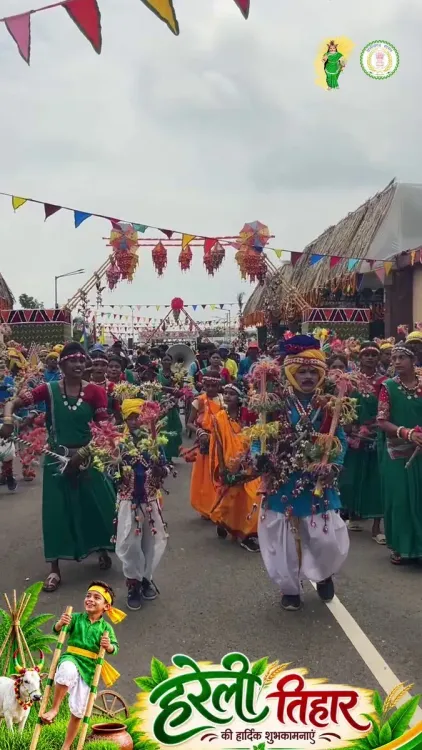
The Chief Minister's Office of Chhattisgarh shared a video capturing folk music, loknritya (folk dance), traditional games and local cuisine at the venue.
Hareli Tihar is Chhattisgarh's monsoon harvest festival, rooted in agricultural and tribal traditions observed across the state.
Chhattisgarh , formed in 2000 , has one of India's highest concentrations of Scheduled Tribe populations, making such festivals central to state identity.
The event aligns with the state government's Viksit Chhattisgarh narrative, linking heritage preservation with development messaging.
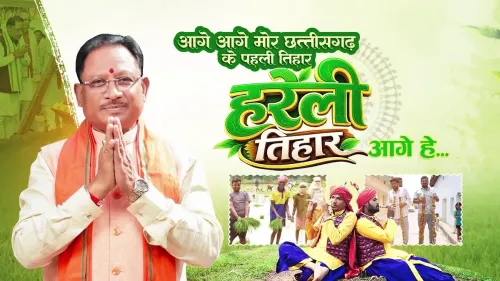
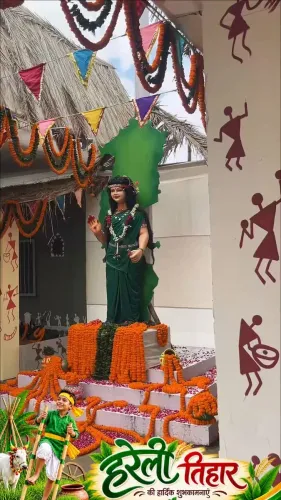
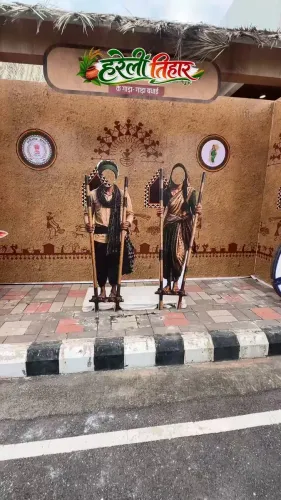
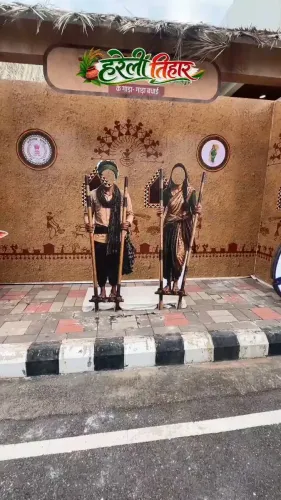
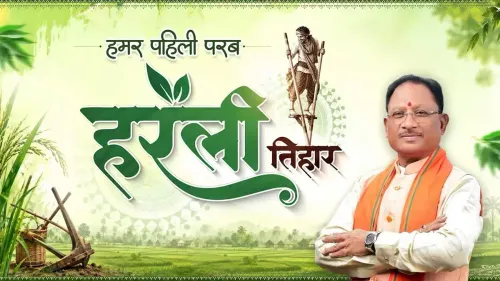
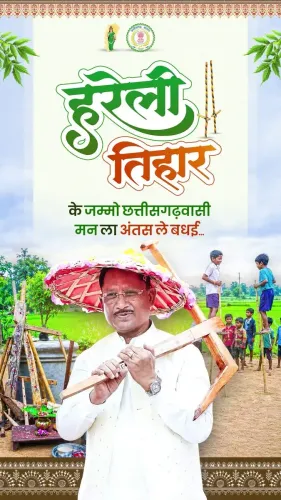
The Chief Minister's residence in Raipur transformed into a living canvas of Chhattisgarhi culture on Wednesday, 12 August 2026, as Hareli Tihar — the state's beloved monsoon harvest festival — brought folk songs, traditional dances, indigenous games and the aroma of local cuisine into the heart of official Chhattisgarh. The Chief Minister's Office of Chhattisgarh captured the moment in a video post, writing that the venue felt as though 'all of Chhattisgarh had gathered here.'
The post, written in Chhattisgarhi, described the scene in vivid strokes: 'paarampaarik geet-sangeet ki mithaas, loknritya ki thiraakan, Chhattisgarhi khel ki umang aur swaadisht Chhattisgarhi vyanjan ki khushboo' — the sweetness of traditional music, the rhythm of folk dance, the excitement of local games, and the fragrance of Chhattisgarhi delicacies spreading in every direction.
What Hareli Tihar means for Chhattisgarh
Hareli Tihar is one of the oldest festivals in Chhattisgarh, marking the onset of the monsoon and the beginning of the agricultural cycle. Farmers traditionally worship their tools and cattle, offering prayers for a healthy harvest. Folk artists perform Panthi, Karma and Raut Nacha dances, and communities gather around games such as gilli-danda and bullock-cart races — rituals that bind the state's largely rural, tribal population to its land.
Chhattisgarh, carved out of Madhya Pradesh in 2000, is home to one of India's richest concentrations of tribal heritage. Roughly 30 percent of its population belongs to Scheduled Tribes, and festivals like Hareli are central to how the state's identity is expressed and transmitted across generations.
State government, culture, and the development narrative
Hosting Hareli at the Chief Minister's official residence is a deliberate signal — that the state's highest office sees cultural continuity not as nostalgia but as governance. Indian state governments have increasingly used official channels and public celebrations to anchor regional identity alongside development messaging, and Chhattisgarh's Viksit Chhattisgarh framing — visible in the post's hashtags — places cultural pride squarely within that arc.
For folk artists and rural communities, visibility at this level matters. A festival celebrated in the Chief Minister's courtyard is one that travels on official platforms, reaches urban audiences, and keeps living traditions from fading into the margins of a fast-urbanising state.
The colours of the soil, the culture, and the tradition — as the CMO put it — were scattered in every direction. That image, more than any policy announcement, is the story Hareli 2026 is telling.
Point of View
Not on its periphery. For a state like Chhattisgarh, where cultural legitimacy is deeply tied to rural and tribal communities, this kind of visibility reinforces the ruling dispensation's claim to being custodians of the soil. The Viksit Chhattisgarh hashtag signals an attempt to fuse tradition with a modernisation narrative — a balancing act that state governments across India are increasingly performing as urbanisation accelerates. Whether cultural celebration translates into sustained policy support for folk artists and rural communities remains the real test.
NationPress
12 Aug 2026
Frequently Asked Questions
What is Hareli Tihar in Chhattisgarh?
Hareli Tihar is Chhattisgarh's first major festival of the year, marking the monsoon season and the start of the agricultural cycle. Farmers worship their tools and cattle, and communities celebrate with folk music, dance, traditional games and local cuisine.
When is Hareli Tihar celebrated in 2026?
In 2026, Hareli Tihar fell on 12 August , with celebrations held at the Chief Minister's residence in Raipur among other locations across Chhattisgarh.
What happened at the Chief Minister's residence on Hareli Tihar 2026?
The Chief Minister's Office of Chhattisgarh organised a cultural event at the CM's official residence in Raipur, featuring traditional folk songs, dances, indigenous games and Chhattisgarhi dishes, with a video shared on the official X account.
What are the traditional games played during Hareli Tihar?
Hareli Tihar traditionally features games such as gilli-danda and bullock-cart races, alongside folk performances including Panthi , Karma and Raut Nacha dances.
Why is Hareli Tihar important for Chhattisgarh's tribal communities?
With roughly 30 percent of Chhattisgarh's population belonging to Scheduled Tribes, Hareli Tihar is a key expression of the state's indigenous identity, linking agricultural traditions with cultural continuity across generations.