CM Office: Haridwar's Ganga Canal to Be Cleaned and Repaired Simultaneously
Synopsis
Uttarakhand's Chief Minister's Office announced on October 21, 2026 that cleaning and repair of the Ganga Canal in Haridwar will run concurrently, aiming to reduce downtime and protect water supply for farmers, residents, and pilgrims.
Key Takeaways
The Chief Minister's Office of Uttarakhand announced on October 21, 2026 that Ganga Canal cleaning and repair in Haridwar will proceed simultaneously.
The Upper Ganga Canal is a critical water source for irrigation and drinking water across Uttarakhand and Uttar Pradesh .
Running both operations concurrently is designed to minimise disruption to water supply and canal downtime.
The works align with the broader Namami Gange programme, which has included canal infrastructure maintenance since 2014-15 .
Specific budget, exact start date, and full scope of the 2026 works have not been officially disclosed.
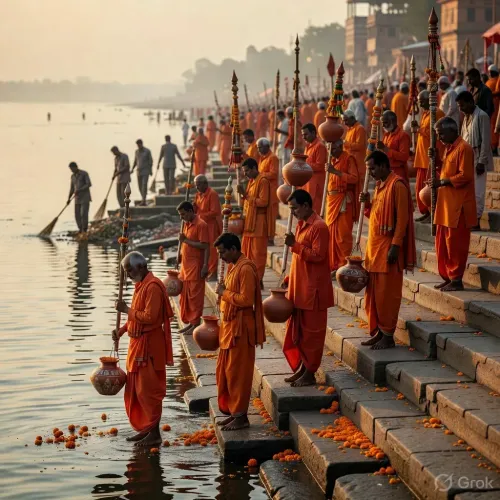
Haridwar , referred to as 'Kumbhnagri' in the post, hosts millions of pilgrims annually, making canal upkeep a civic and religious priority.
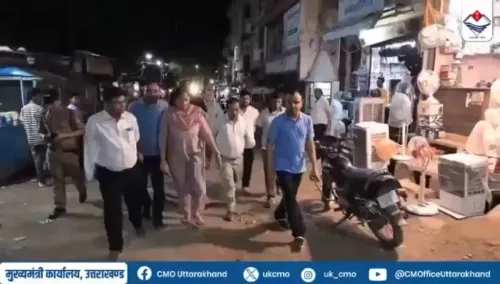
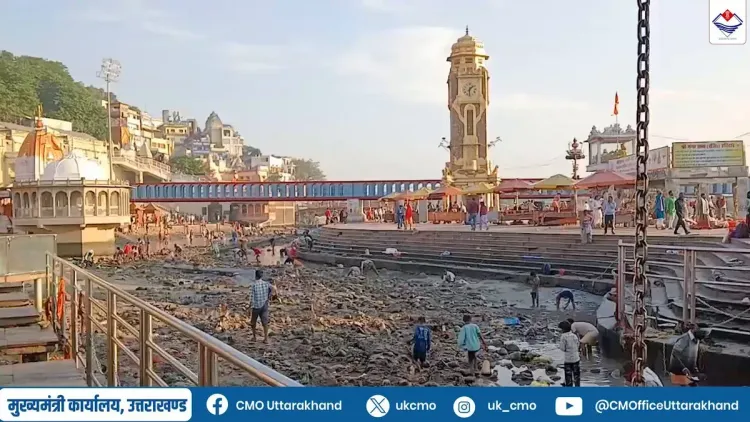
In the sacred city of Haridwar, the twin tasks of cleaning and repairing the iconic Ganga Canal will now run in parallel — a move that signals a sharper, more efficient approach to maintaining one of northern India's most vital waterways. The Chief Minister's Office of Uttarakhand announced the concurrent works on Wednesday, October 21, 2026, underscoring the state's intent to minimise disruption while keeping the canal system in working order.
The post, shared in Hindi, stated: 'कुंभनगरी हरिद्वार में गंगनहर की सफाई व मरम्मत कार्य चलेगा साथ साथ' — 'In Kumbh city Haridwar, the cleaning and repair work of the Ganga Canal will proceed simultaneously.'
Haridwar's Canal: More Than a Waterway
The Upper Ganga Canal, originating at Haridwar, is no ordinary irrigation channel. It is a lifeline — supplying water to farmers across the plains of Uttar Pradesh and Uttarakhand, feeding drinking water systems, and forming the hydraulic backbone of a city that hosts millions of pilgrims every year. When the canal falters, the consequences ripple far beyond the ghats. Running cleaning and repair operations concurrently, rather than sequentially, means less downtime and fewer disruptions to that supply chain.
Where Namami Gange Meets Local Upkeep
The announcement sits within a broader policy frame. The Namami Gange programme — the Central government's flagship river-conservation scheme launched in 2014-15 — has included canal infrastructure works alongside ghat renovation and river-surface cleaning. Uttarakhand and central agencies have periodically coordinated maintenance on Ganga basin canals to support irrigation, drinking water supply, and religious tourism. This latest move reflects that continuing rhythm of upkeep, with the state signalling it will not let cleaning and structural repair compete for separate windows of time.
For the residents of Haridwar, canal-dependent farmers downstream, and the millions of pilgrims who throng the city — particularly in the lead-up to major religious events — the concurrent approach matters. It means the canal stays functional for longer, and works do not drag into the peak pilgrimage season.
The specific budget, start date, and full scope of the 2026 works have not been detailed in the announcement. What is clear is the intent: in the city the government itself calls 'Kumbhnagri' — the Kumbh city — keeping the Ganga Canal clean and structurally sound is not optional. It is an obligation that cannot wait.
Point of View
Where the canal serves both economic and religious functions, minimising downtime is as much a political calculation as an engineering one — disruptions in Haridwar resonate far beyond the city. The announcement also signals continued state-level alignment with the Centre's Namami Gange priorities, keeping Uttarakhand's profile in the river-rejuvenation narrative intact ahead of any future Kumbh cycle.
NationPress
21 Oct 2026
Frequently Asked Questions
What work is being done on the Ganga Canal in Haridwar?
The Uttarakhand government has announced that cleaning and repair of the Ganga Canal in Haridwar will be carried out simultaneously, as stated by the Chief Minister's Office on October 21, 2026.
What is the Upper Ganga Canal and why is it important?
The Upper Ganga Canal originates at Haridwar and is a major irrigation and drinking water supply system serving large parts of Uttarakhand and Uttar Pradesh, as well as supporting the religious tourism economy of Haridwar.
Is this canal work part of the Namami Gange programme?
The work aligns with the Namami Gange programme, launched in 2014-15, which includes canal infrastructure maintenance as part of its broader Ganga conservation mandate. The specific funding source for the 2026 works has not been confirmed officially.
Why is canal maintenance important for Haridwar?
Haridwar is a major pilgrimage city hosting millions of visitors annually. The Ganga Canal supports water supply, irrigation for downstream farmers, and the overall upkeep of a city whose identity is inseparable from the river.
What does 'Kumbhnagri' mean in reference to Haridwar?
'Kumbhnagri' means 'Kumbh city' in Hindi, a reference to Haridwar's role as a host city for the Kumbh Mela, one of the largest religious gatherings in the world.