CM Office HP: Bantony museum to connect Shimla heritage digitally
Synopsis
The Chief Minister's Office of Himachal Pradesh announced a new museum at Bantony, one of Shimla's most historically significant sites, saying it will use modern technology to link the state's cultural heritage with younger generations and global visitors.
Key Takeaways
The Chief Minister's Office of Himachal Pradesh announced a museum at Bantony , a historically significant site in Shimla , on 10 July 2026 .
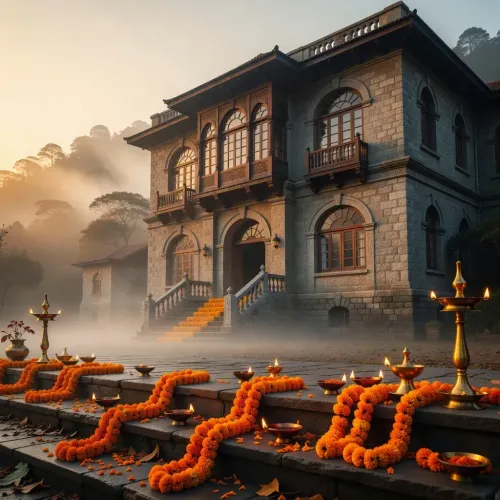
Bantony holds a special place in Shimla's history as a colonial-era landmark from the city's days as British India's summer capital.
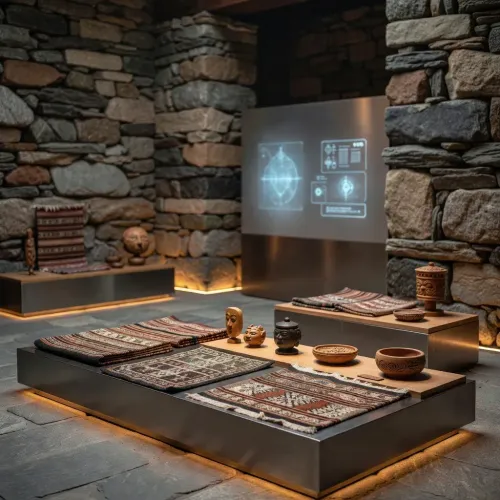
The museum is intended to connect Himachal Pradesh's cultural heritage with younger generations and international audiences through modern technology.
The initiative follows a broader national trend of integrating digital tools such as interactive displays and virtual reality into heritage museums.
Specific technology installations, opening timelines, and budget allocations for the project have not yet been officially confirmed.
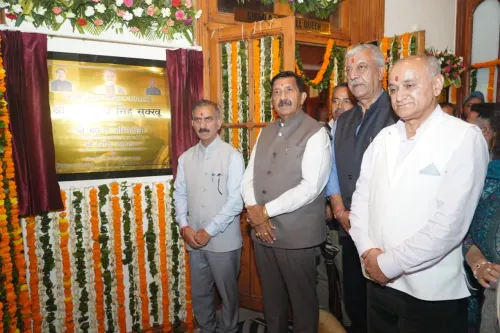
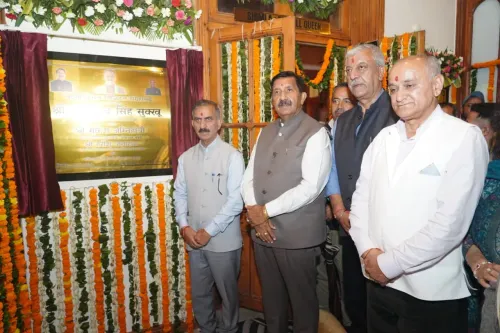
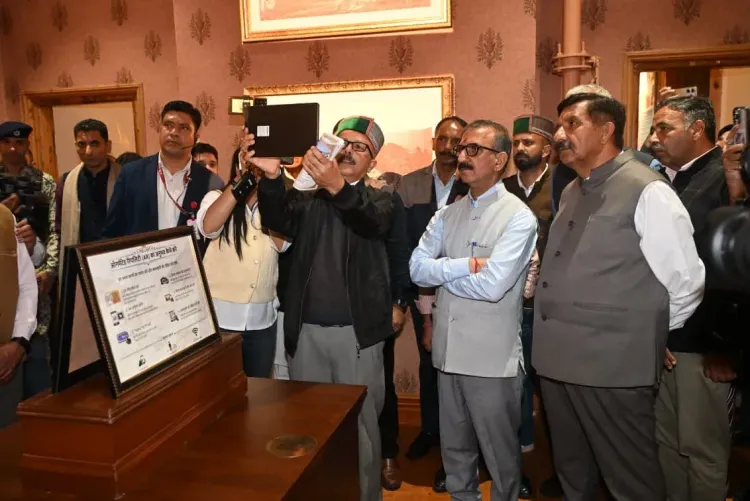
The Chief Minister's Office of Himachal Pradesh, on Friday, 10 July 2026, highlighted the inauguration of a new museum at Bantony, a historically significant site in Shimla, describing it as a powerful medium to connect the state's cultural heritage with younger generations and a global audience through modern technology.
The official post stated: 'Shimla ke itihas mein Bantony ka vishesh mahatva raha hai' ('Bantony has held a special place in the history of Shimla'). It added that the museum established at this historic site 'will become a strong medium to connect our cultural heritage with the new generation and the world through modern technology.'
Context
Bantony is one of Shimla's notable colonial-era landmarks, carrying administrative and architectural significance from the city's days as the summer capital of British India. The site's layered history makes it a natural anchor for a heritage institution aimed at both residents and visitors.
The museum is positioned as a bridge between the city's storied past and contemporary audiences, with the state government emphasising technology-driven engagement as its defining feature.
Policy Backdrop
Himachal Pradesh has run heritage conservation and museum modernisation programmes since the early 2000s, with upgrades to state museums carried out under its tourism and culture departments. This latest initiative aligns with that longer arc of investment in the state's cultural infrastructure.
Across India, several states have integrated digital tools — including interactive displays, virtual reality installations, and online archival platforms — into museums housed at colonial or historic sites. The Bantony museum appears to follow this broader national pattern of using technology to democratise access to heritage.
Stakeholders and Impact
The primary beneficiaries identified by the government are young visitors and international tourists, for whom digital interfaces can lower barriers to engaging with local history. Heritage organisations and local cultural bodies are also expected to benefit from a more prominent institutional home for Shimla's documented past.
Shimla, as a major hill-station destination, draws significant domestic and foreign footfall each year. A technology-enabled museum at a recognised historic site could add a substantive cultural draw alongside the city's established tourism offerings.
What's Next
Attention will now turn to the specific digital installations planned for the museum, the timeline for their roll-out, and any state budget allocations earmarked for the project. Visitor data and feedback from heritage organisations will offer early indicators of whether the initiative achieves its stated goal of widening access.
The government's framing — connecting heritage 'with the world' — also suggests potential for online or virtual access components, details of which are yet to be officially confirmed.
Point of View
The CM Office is signalling alignment with the Centre's broader push to digitise heritage access — a priority visible in schemes such as the National Mission on Cultural Mapping. The choice of Bantony, a site with layered administrative history, also suggests the state is trying to elevate lesser-known landmarks rather than simply reinforcing already-prominent attractions. How the government translates this announcement into funded, operational digital infrastructure will determine whether it becomes a genuine heritage milestone or remains a well-intentioned gesture.
NationPress
10 Jul 2026
Frequently Asked Questions
Where is the Bantony museum located?
The museum is located at Bantony, a historically significant colonial-era site in Shimla, the capital of Himachal Pradesh.
What is special about Bantony in Shimla?
Bantony holds a special place in Shimla's history, particularly from the period when the city served as the summer capital of British India, giving it notable colonial and administrative heritage.
What technology will the Bantony museum use?
The Himachal Pradesh government has stated the museum will use modern technology to connect cultural heritage with younger generations and global audiences, though specific installations have not yet been confirmed.
Who announced the Bantony heritage museum?
The Chief Minister's Office of Himachal Pradesh announced the museum through an official post on 10 July 2026, describing it as a strong medium for cultural outreach.
How does the Bantony museum fit into India's heritage digitisation efforts?
It follows a broader national pattern in which several Indian states have integrated digital tools such as interactive displays and virtual reality into museums at colonial or historic sites to widen access for younger and international visitors.