CM Office Uttarakhand Highlights Collective Green Drive in Bageshwar
Synopsis
The Chief Minister's Office of Uttarakhand on 14 July 2026 highlighted collective conservation efforts in Bageshwar, sharing a video that underscores the state's community-driven approach to protecting its Himalayan forests — a tradition rooted in the Chipko Movement and institutionalised through Van Panchayats.
Key Takeaways
The Chief Minister's Office of Uttarakhand posted on 14 July 2026 about collective environmental conservation efforts in Bageshwar .
Bageshwar district in Uttarakhand's Kumaon division is ecologically sensitive, with significant forest cover and community-managed natural resources.
Uttarakhand's community conservation framework is rooted in the Chipko Movement of the 1970s and institutionalised through Van Panchayats .
The state adopted a State Action Plan on Climate Change around 2014 , prioritising afforestation and community participation in sensitive districts.
The CMO's public amplification of local conservation work signals continued state emphasis on decentralised, people-led environmental governance.
Future budget allocations and forest department afforestation reports will indicate the depth of institutional commitment behind this narrative.
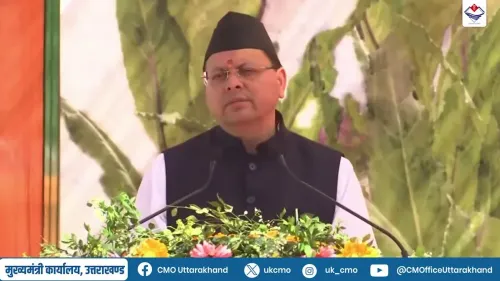
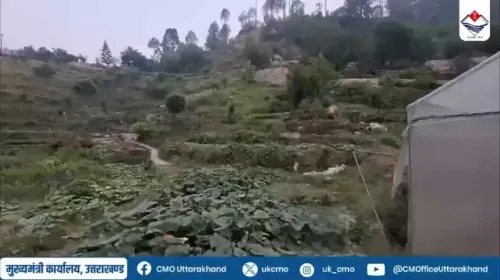
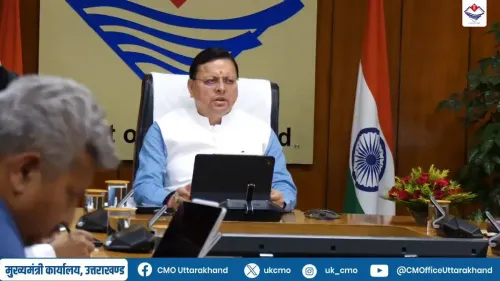
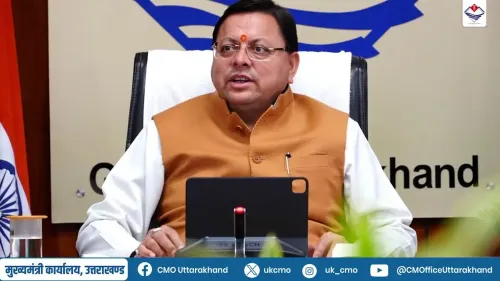
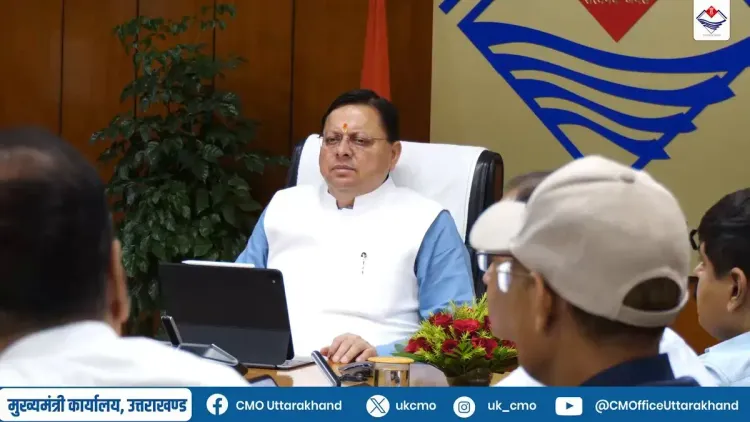
The Chief Minister's Office of Uttarakhand on Tuesday, 14 July 2026 highlighted collective environmental conservation efforts underway in Bageshwar, sharing a video that showcases community-led initiatives aimed at protecting the region's natural resources.
The post, shared on the official CMO handle, states: 'Uttarakhand mein paryavaran sanrakshan ke liye kiye ja rahe hain samuhik prayas' ('Collective efforts are being made for environmental conservation in Uttarakhand'), with a specific focus on Bageshwar district in the Kumaon division.
Context
Bageshwar is a Himalayan district in Uttarakhand's Kumaon division, characterised by significant forest cover and community-managed natural resources. The district sits within one of India's most ecologically sensitive zones, where deforestation, soil erosion and watershed degradation have long been concerns for both administrators and local communities.
The CMO's post, accompanied by a video, signals the state government's intent to publicly recognise and amplify grassroots conservation work taking place at the district level — a pattern consistent with Uttarakhand's broader approach to environmental governance.
Policy Backdrop
Uttarakhand's relationship with community-led environmentalism stretches back to the Chipko Movement of the 1970s, when villagers in the region employed non-violent tree-hugging tactics to resist commercial logging. That movement shaped subsequent forest legislation across India and established a template for people's participation in conservation.
The state's institutional framework for community forest management is anchored in Van Panchayats — statutory village-level forest councils that grant local communities both rights and responsibilities over adjacent forest lands. Uttarakhand adopted a State Action Plan on Climate Change around 2014, prioritising afforestation, watershed management and community participation in ecologically sensitive districts such as Bageshwar.
Successive state administrations have repeatedly framed environmental protection as a collective, decentralised effort, even as they balance competing pressures from hydropower projects, road construction and expanding tourism in fragile Himalayan terrain.
Stakeholders and Impact
The primary stakeholders in such conservation drives are hill communities and Van Panchayat members who manage forest resources on a day-to-day basis. Their participation is considered essential to the success of any afforestation or eco-restoration programme in high-altitude districts.
For Bageshwar, which depends heavily on forest ecosystems for water security, agriculture and local livelihoods, sustained conservation efforts carry direct economic and ecological consequences. Community ownership of such initiatives has historically improved compliance and long-term outcomes compared with top-down enforcement models.
What's Next
Observers will watch for state forest department reports on afforestation targets in Kumaon districts, as well as any new guidelines for strengthening Van Panchayats or launching eco-restoration projects in Bageshwar and neighbouring areas. Budget allocations in the upcoming state fiscal cycle will indicate how much institutional weight the government places behind the collective conservation narrative it is now publicly promoting.
If the momentum highlighted by the CMO translates into measurable policy support — funding, technical assistance and legal empowerment for forest councils — Uttarakhand could reinforce its position as a model for community-driven climate adaptation in the Indian Himalayas.
Point of View
Community-owned endeavour rather than a purely administrative function. This framing draws legitimacy from the state's Chipko legacy and helps the government position itself as an enabler of grassroots action rather than a regulator. At a time when Himalayan states face scrutiny over infrastructure projects in ecologically fragile zones, such messaging also serves a reputational purpose — demonstrating environmental sensitivity to both domestic and international audiences. The real test will be whether the spotlight on Bageshwar is backed by measurable policy support for Van Panchayats and climate adaptation programmes.
NationPress
14 Jul 2026
Frequently Asked Questions
What environmental efforts are happening in Bageshwar Uttarakhand?
The Chief Minister's Office of Uttarakhand highlighted on 14 July 2026 that collective conservation efforts are underway in Bageshwar, a Kumaon district with significant Himalayan forest cover, though specific programme details were not disclosed in the post.
What is a Van Panchayat in Uttarakhand?
A Van Panchayat is a statutory village-level forest council in Uttarakhand that grants local communities legal rights and responsibilities for managing adjacent forest lands, forming the backbone of community-driven conservation in the state.
What is the Chipko Movement and how does it relate to Uttarakhand's environment policy?
The Chipko Movement was a 1970s grassroots campaign originating in Uttarakhand where villagers hugged trees to prevent commercial logging; it shaped subsequent national forest legislation and established the template for community participation in conservation that Uttarakhand continues to follow.
What is Uttarakhand's State Action Plan on Climate Change?
Uttarakhand adopted its State Action Plan on Climate Change around 2014, prioritising afforestation, watershed management and community participation in ecologically sensitive Himalayan districts such as Bageshwar.
Why is Bageshwar important for environmental conservation in Uttarakhand?
Bageshwar is a Himalayan district in Uttarakhand's Kumaon division with dense forest cover and community-managed natural resources; its water security, agriculture and local livelihoods are directly tied to the health of surrounding forest ecosystems.