CM Office Reaches Kondapalli Village Under Sushasan Tihar 2026
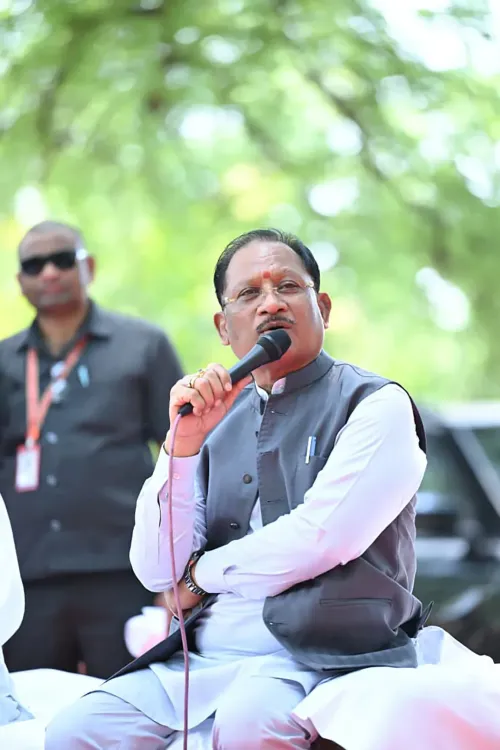
Synopsis
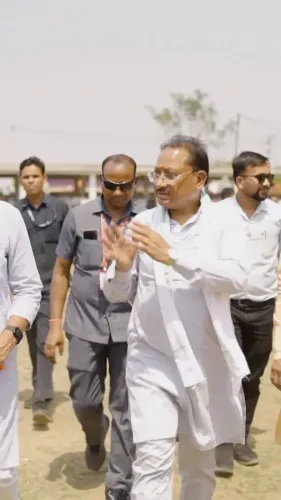
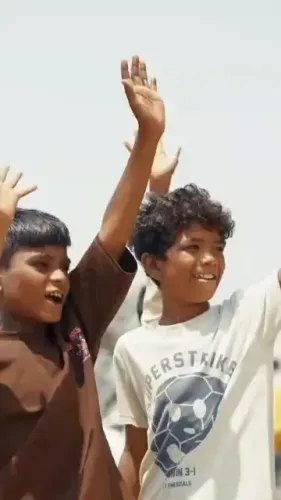
The Chhattisgarh Chief Minister's Office documented a Sushasan Tihar 2026 visit to Gram Kondapalli in Bijapur district, where officials spoke with schoolchildren and villagers about education, daily life, and the on-ground impact of government welfare schemes.
Key Takeaways
The Chief Minister's Office of Chhattisgarh posted on June 2, 2026 about a Sushasan Tihar 2026 outreach visit.
The visit took place at Gram Kondapalli in Bijapur district , part of the insurgency-affected Bastar division .
Officials engaged with schoolchildren on education and with villagers on welfare scheme impact and daily concerns.
Sushasan Tihar is an annual Chhattisgarh state programme for direct rural outreach and governance review.
The programme targets last-mile welfare delivery in remote tribal blocks with historically limited administrative access.
Follow-up on grievances and scheme enrolment recorded during such visits will be a key indicator of the programme's effectiveness.
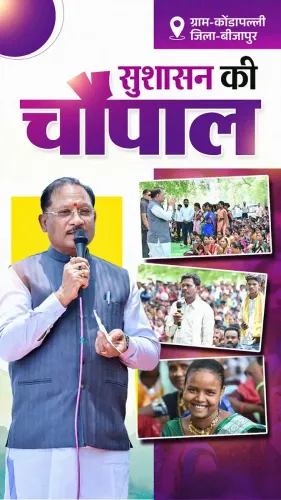
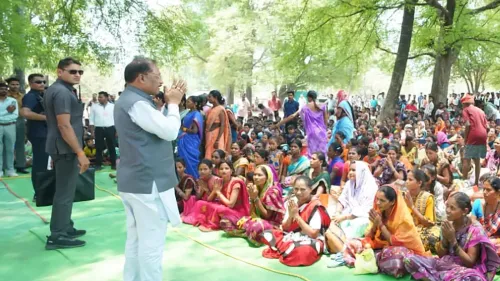
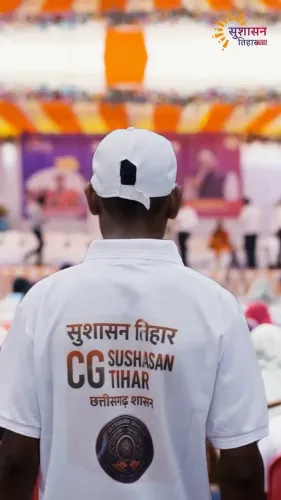
The Chief Minister's Office of Chhattisgarh shared on Tuesday, June 2, 2026, that government representatives visited Gram Kondapalli in Bijapur district as part of the ongoing Sushasan Tihar 2026 outreach programme, engaging with schoolchildren and villagers on education, daily life, and welfare scheme delivery.
Context
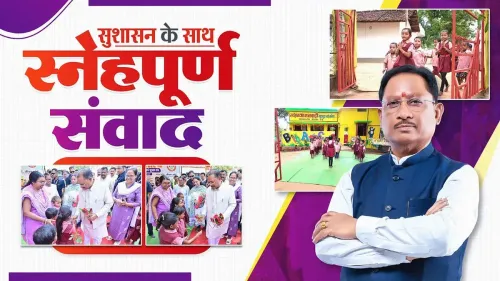
The post, shared under the hashtag #सुशासन_तिहार_2026 (Sushasan Tihar 2026), captures the spirit of the visit with the phrase 'पेड़ की छांव, अपनों का गांव' — 'the shade of a tree, the village of one's own people.' Officials spoke with children about their studies and with residents about their everyday joys and hardships, while also hearing accounts of how government schemes have changed lives on the ground.
Kondapalli is a village in Bijapur, a southern Chhattisgarh district in the Bastar division with a predominantly tribal population. The region has historically seen limited administrative reach, making direct government contact visits particularly significant for residents.
Policy Backdrop
Sushasan Tihar — translating roughly to 'Good Governance Festival' — is an annual outreach and governance review programme run by the Chhattisgarh state government to assess the on-ground delivery of welfare schemes through direct interaction in rural areas. The initiative is part of a broader approach to last-mile governance that successive Chhattisgarh administrations have pursued since the mid-2010s.
The programme involves district-level reviews and village visits aimed at closing the gap between policy announcements and actual implementation, particularly in remote and tribal blocks where institutional access has traditionally been weak. The approach mirrors similar direct-contact governance programmes adopted in other left-wing extremism-affected states across central India.
Stakeholders and Impact
The primary beneficiaries of such outreach exercises are rural villagers, school-going children, and tribal communities in districts like Bijapur, who often face barriers in accessing government services through conventional administrative channels. Direct visits allow residents to raise grievances, seek scheme enrolment, and interact with officials without travelling to distant block or district headquarters.
For the state government, the visits serve as a feedback mechanism to gauge whether flagship welfare programmes are reaching intended recipients. Bijapur's location in the insurgency-affected Bastar division also lends the outreach a strategic dimension — demonstrating administrative presence and state responsiveness in areas where governance has historically been contested.
What's Next
The Sushasan Tihar 2026 programme is ongoing, with the Kondapalli visit forming one of multiple village-level engagements across the state. Observers and civil society groups tracking tribal welfare in Bastar will watch for follow-up action on grievances recorded during these visits, including scheme enrolment, infrastructure requests, and educational support for children met during the outreach.
The real test of such programmes lies in post-visit follow-through: whether the conversations held under the shade of a tree in Kondapalli translate into measurable improvements in scheme utilisation and service delivery for its residents.
Point of View
The programme's long-term value will be judged not by the warmth of the interactions captured in photographs, but by whether grievances logged during these visits result in concrete scheme delivery. Analysts watching tribal welfare in southern Chhattisgarh will look for evidence of systematic follow-up rather than episodic engagement.
NationPress
16 Oct 2026
Frequently Asked Questions
What is Sushasan Tihar in Chhattisgarh?
Sushasan Tihar, meaning 'Good Governance Festival,' is an annual outreach and governance review programme run by the Chhattisgarh state government. It involves direct visits to villages to assess welfare scheme delivery, hear public grievances, and engage with local communities.
Where is Gram Kondapalli located?
Gram Kondapalli is a village in Bijapur district, which is part of the Bastar division in southern Chhattisgarh. The district has a predominantly tribal population and has historically seen limited administrative reach.
What happened during the Sushasan Tihar 2026 visit to Kondapalli?
During the visit, government representatives spoke with schoolchildren about their education and engaged with villagers about their daily lives and experiences with government welfare schemes, as documented by the Chhattisgarh Chief Minister's Office on June 2, 2026.
Why does the Chhattisgarh government conduct outreach in Bijapur district?
Bijapur is in the Bastar division, an area with a history of left-wing extremist activity and limited government access. Direct outreach visits are intended to demonstrate administrative presence, improve scheme delivery, and build public trust in tribal communities.
What is the significance of Sushasan Tihar 2026 for tribal communities?
For tribal and rural communities in remote districts like Bijapur, Sushasan Tihar provides a rare opportunity to interact directly with government officials, raise grievances, and access information about welfare schemes without travelling to distant administrative centres.