CM Bhupendra Patel backs Modi's reform push on oil, chips, hydrogen rail
Synopsis
Gujarat Chief Minister Bhupendra Patel on 20 July 2026 praised PM Modi's multi-sector reform push — spanning oil, semiconductors and hydrogen rail — in a post timed to the Parliament Monsoon Session, framing India's progress as a journey on the 'Reform Express'.
Key Takeaways
CM Bhupendra Patel posted on 20 July 2026 praising India's reform momentum under PM Narendra Modi , citing oil, semiconductors and hydrogen rail.
The post was tagged #ParliamentMonsoonSession , linking the message to ongoing legislative proceedings.
The Production Linked Incentive scheme for semiconductors, launched in 2021 , and the India Semiconductor Mission are central to India's chip manufacturing push.
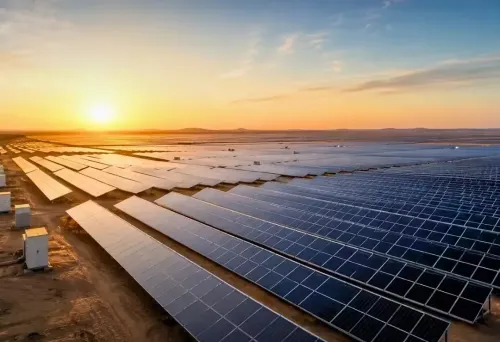
The National Green Hydrogen Mission (approved January 2023 ) targets 5 million tonnes of annual green hydrogen production by 2030 , with Indian Railways piloting hydrogen fuel-cell trains.
Strategic Petroleum Reserve expansions since 2018 underpin the oil-security dimension of the reform agenda.
Gujarat is a key hub for both semiconductor investment and renewable energy, giving CM Patel's endorsement a direct regional dimension.
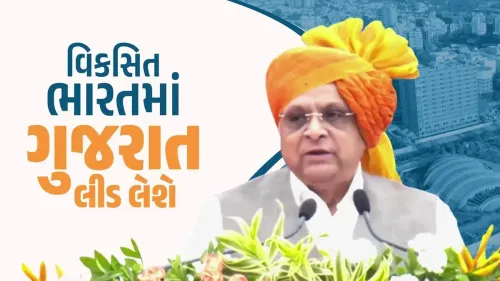
Gujarat Chief Minister Bhupendra Patel on Monday, 20 July 2026 invoked oil, semiconductors and hydrogen rail in a single post to champion the reform agenda being advanced under Prime Minister Narendra Modi, framing India's progress as a journey aboard what he called the 'Reform Express' — a remark timed to the ongoing Parliament Monsoon Session 2026.
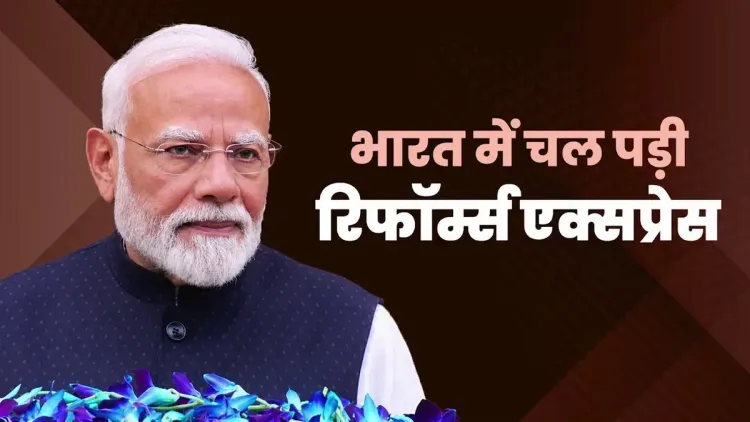
Writing in Hindi, CM Patel posted: 'बात ऑयल की हो, सेमीकंडक्टर की या हाइड्रोजन रेल की.. देश रिफॉर्म एक्सप्रेस पर सवार होकर आगे बढ़ रहा है।' — translated: 'Be it oil, semiconductors or hydrogen rail — the country is moving forward aboard the Reform Express.' The post, addressed to @NarendraModi and tagged #ParliamentMonsoonSession, signals BJP state leadership's alignment with the Centre's multi-sector economic reform drive.
Context
The remark arrives as both Houses of Parliament are in session, a period that traditionally sees significant legislative and budgetary activity on economic and infrastructure policy. By citing three distinct sectors — energy, advanced manufacturing and green transport — CM Patel is underlining the breadth of the reform agenda rather than any single policy. The hashtag directly links the message to ongoing parliamentary proceedings, suggesting the post is meant to build political momentum around legislation or grant discussions expected during the session.
Policy Backdrop
Each sector CM Patel references carries substantial policy weight. On oil and energy security, the Union government has pursued Strategic Petroleum Reserve expansion across successive budget cycles since 2018, aiming to insulate India from global price shocks. On semiconductors, the Production Linked Incentive (PLI) scheme — announced in 2021 — and the broader India Semiconductor Mission are designed to attract chip fabrication and design investment, with units in Gujarat among the projects in the pipeline.
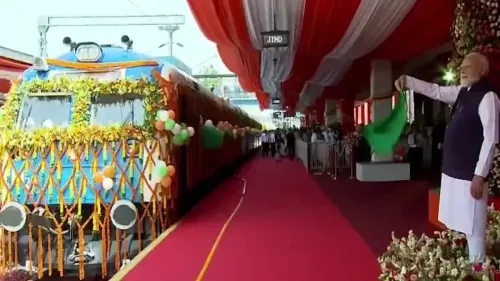
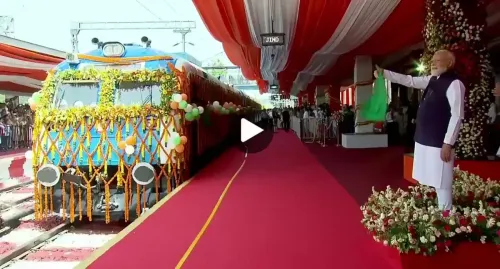
On hydrogen rail, the National Green Hydrogen Mission, approved in January 2023, targets 5 million tonnes of annual green hydrogen production by 2030. Indian Railways has been piloting hydrogen fuel-cell trains alongside its broader electrification and Vande Bharat rollout, making 'hydrogen rail' a tangible — if still early-stage — symbol of sustainable mobility ambition.
Stakeholders and Impact
The three sectors named span a wide stakeholder map: energy companies and refiners watching petroleum policy; semiconductor investors — domestic and foreign — tracking PLI disbursements and fab commissioning timelines; and railway operators and green-energy firms monitoring hydrogen train trials and Mission targets. For Gujarat specifically, semiconductor and green hydrogen investments carry direct economic significance, making CM Patel's endorsement both a national political statement and a regional one.
The framing also reinforces the Atmanirbhar Bharat narrative — self-reliant India — that has underpinned successive central government reform packages combining manufacturing incentives, energy security measures and transport modernisation since 2020.
What's Next
Attention will now turn to whether the Parliament Monsoon Session 2026 produces concrete legislative or budgetary outcomes in any of the three sectors CM Patel highlighted — bills on energy transition, supplementary demands for semiconductor incentives, or policy updates on hydrogen rail commissioning. Gujarat's role as a hub for both semiconductor fabrication and renewable energy investment means the state government will be watching central decisions closely. If the session delivers on even one of these fronts, it would give the BJP's 'Reform Express' metaphor a tangible legislative anchor ahead of future electoral cycles.
Point of View
Semiconductors and hydrogen rail into a single metaphor, the message is designed to project policy breadth and momentum rather than dwell on any single scheme's progress. The 'Reform Express' framing is deliberate: it evokes speed, direction and national scale, qualities the BJP has consistently sought to associate with the Modi government's economic stewardship. For Gujarat, where semiconductor fabs and green energy projects carry real investment stakes, the endorsement also serves as a signal to industry that state and central governments are aligned.
NationPress
20 Oct 2026
Frequently Asked Questions
What did Gujarat CM Bhupendra Patel say about India's reforms?
CM Bhupendra Patel said that whether the topic is oil, semiconductors or hydrogen rail, India is moving forward aboard the 'Reform Express' — a phrase he used to describe the pace and breadth of economic reforms under PM Narendra Modi, in a post on 20 July 2026 during the Parliament Monsoon Session.
What is India's semiconductor mission and how does it relate to Gujarat?
The India Semiconductor Mission, backed by a Production Linked Incentive scheme announced in 2021, aims to attract chip fabrication and design investment to India. Gujarat is among the states with semiconductor units in the pipeline, making CM Patel's endorsement of the reform agenda directly relevant to the state's economic interests.
What is India's hydrogen rail project?
Indian Railways is piloting hydrogen fuel-cell trains as part of a broader push toward sustainable transport. This aligns with the National Green Hydrogen Mission, approved in January 2023, which targets 5 million tonnes of annual green hydrogen production by 2030.
What is the National Green Hydrogen Mission?
The National Green Hydrogen Mission was approved by the Union government in January 2023. It aims to scale green hydrogen production to 5 million tonnes annually by 2030, targeting industrial decarbonisation and sustainable transport applications including hydrogen-powered trains.
Why did CM Patel post about reforms during the Parliament Monsoon Session?
The Parliament Monsoon Session is a key legislative window when bills, budgetary demands and policy announcements are debated. CM Patel's post, tagged #ParliamentMonsoonSession, appears timed to build political support for the BJP-led Centre's reform agenda at a moment when related legislation or grant discussions may be on the parliamentary agenda.