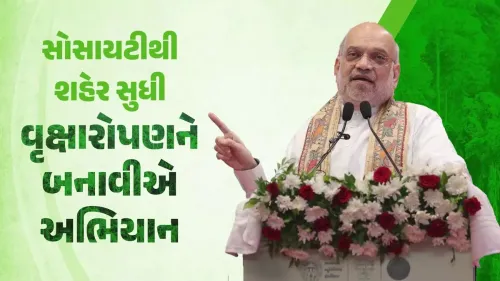
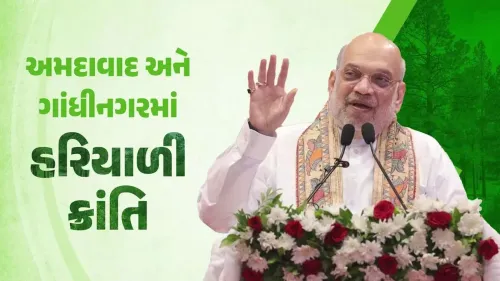
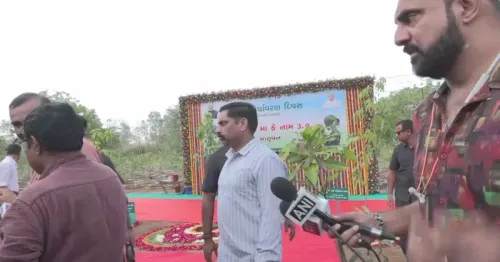
CM Bhupendra Patel Backs Tree-Plantation Drive in Gandhinagar, Ahmedabad
Synopsis
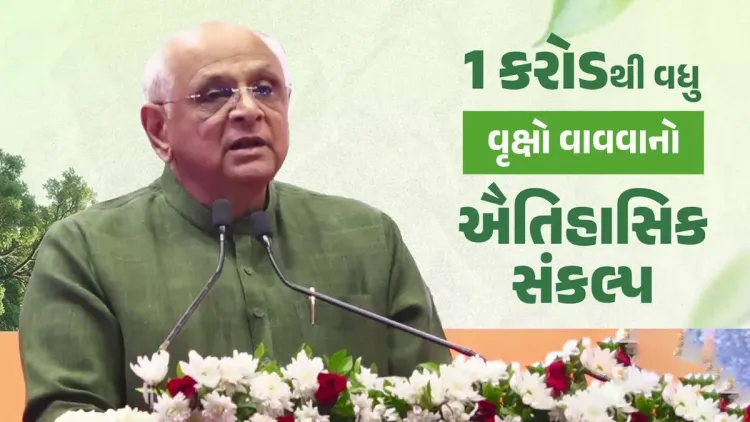
Gujarat Chief Minister Bhupendra Patel on 12 July 2026 spotlighted a public tree-plantation movement across Gandhinagar and Ahmedabad, sharing a video on X to boost citizen participation in the monsoon afforestation drive — part of Gujarat's broader push to expand urban green cover.
Key Takeaways
CM Bhupendra Patel on 12 July 2026 publicly endorsed a mass tree-plantation drive spanning Gandhinagar Lok Sabha constituency and Ahmedabad city .
The drive aligns with Van Mahotsav , India's annual afforestation festival dating to 1950 , timed to coincide with the southwest monsoon.
India's National Forest Policy 1988 targets 33 percent national forest and tree cover, a benchmark underpinning Gujarat's state-level campaigns.
Ahmedabad and Gandhinagar have been priority zones for Gujarat's urban forestry push to offset industrial growth and rising urban temperatures.
Future indicators include state forestry department sapling survival data and potential integration with central Green India Mission funding.
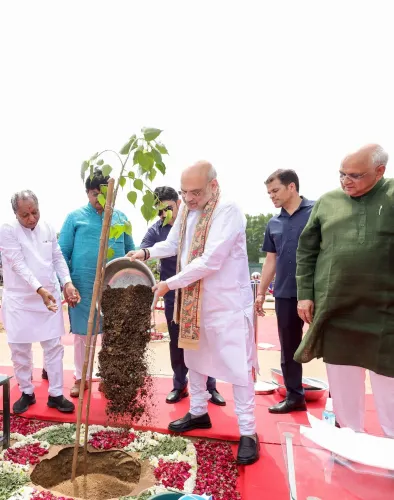
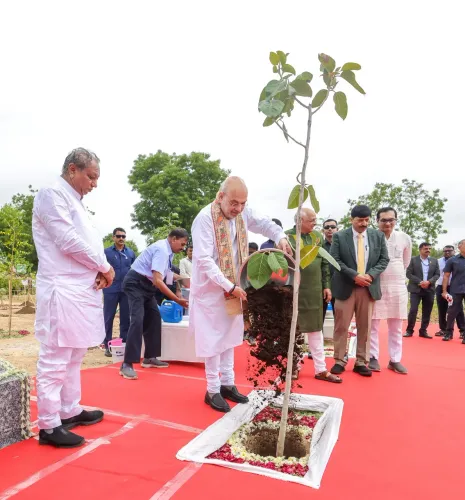
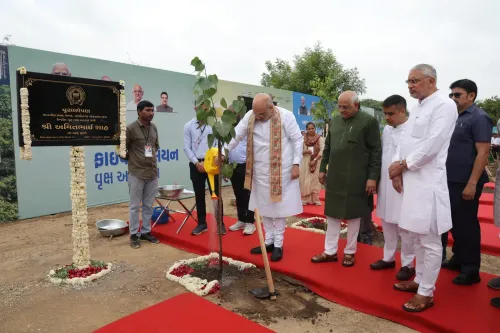
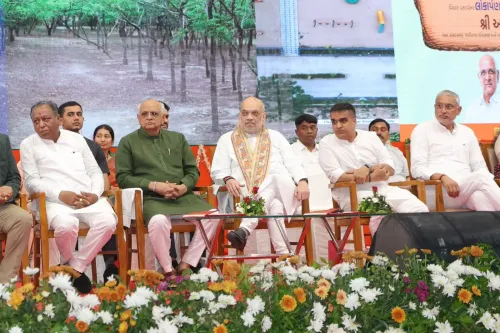
Gujarat Chief Minister Bhupendra Patel on Sunday, 12 July 2026 highlighted a widespread public tree-plantation movement sweeping across Gandhinagar Lok Sabha constituency and Ahmedabad city, sharing a video of the drive on X to amplify citizen participation in seasonal afforestation efforts.
Context
The Chief Minister's post — in Gujarati — describes a janachetana (public awakening) around vrikshaaropan (tree plantation) spreading across the twin urban centres of Gandhinagar and Ahmedabad. The message coincides with the onset of the southwest monsoon, the traditional season for large-scale plantation campaigns across India. By amplifying the drive on social media, Patel signals the state government's intent to mobilise civic energy around environmental action at the grassroots level.
Policy Backdrop
India's tree-plantation culture draws on the Van Mahotsav festival, launched in 1950, which encourages mass public participation in afforestation every July. The National Forest Policy of 1988 set a long-standing national target of 33 percent forest and tree cover across the country — a benchmark that continues to guide state-level green campaigns. Gujarat has expanded its social forestry programmes since the 2000s, with particular focus on increasing green cover in the rapidly urbanising Ahmedabad–Gandhinagar corridor to counter rising temperatures and industrial pollution.
These efforts also align with India's international climate commitments, which include creating an additional carbon sink through enhanced forest and tree cover. State governments often time public-awareness campaigns in Lok Sabha constituencies to coincide with monsoon planting windows, maximising sapling survival rates.
Stakeholders and Impact
Urban residents of Ahmedabad and Gandhinagar stand to benefit most directly from a sustained increase in tree cover, which can reduce the urban heat island effect, improve air quality, and enhance stormwater absorption. Municipal corporations in both cities have previously run urban forestry initiatives, and a Chief Minister-level endorsement typically accelerates ground-level participation and resource allocation. Community volunteers, resident welfare associations, and school groups are among the most active participants in such seasonal drives.
What's Next
Attention will now turn to the Gujarat state forestry department for data on sapling survival rates and the total green cover added during the 2026 monsoon plantation season. Analysts will also watch whether this campaign is integrated with central government funding cycles under the Green India Mission, which channels resources toward afforestation and ecosystem restoration. A measurable increase in canopy cover across the Gandhinagar–Ahmedabad urban belt would strengthen Gujarat's standing in national environmental indices.
Point of View
Especially as India's climate commitments intensify scrutiny on urban tree cover. Whether this translates into measurable canopy gains will depend on follow-through from municipal bodies and the forestry department.
NationPress
10 Oct 2026
Frequently Asked Questions
What is the tree-plantation drive in Gandhinagar and Ahmedabad about?
It is a public afforestation campaign during the monsoon season aimed at increasing urban green cover across Gandhinagar Lok Sabha constituency and Ahmedabad city, endorsed by Gujarat Chief Minister Bhupendra Patel on 12 July 2026.
What is Van Mahotsav and how is it related to this drive?
Van Mahotsav is India's annual tree-plantation festival launched in 1950 to encourage mass public participation in afforestation. Gujarat's monsoon plantation campaigns, including this drive, follow the same tradition of July-season planting.
Why is Ahmedabad a focus area for tree plantation?
Ahmedabad faces significant urban heat island effects and air-quality pressures from industrial growth. Increasing tree cover in the city is a stated priority of Gujarat's social forestry programmes to improve the urban environment.
What is the Green India Mission and could this drive benefit from it?
The Green India Mission is a central government scheme that funds afforestation and ecosystem restoration. Analysts are watching whether Gujarat's 2026 monsoon plantation campaign will be integrated with this funding cycle to scale up its impact.
What will indicate whether this plantation drive is successful?
Key indicators will be the Gujarat state forestry department's reports on sapling survival rates and the net increase in tree cover across the Gandhinagar–Ahmedabad corridor after the 2026 monsoon season.