CM Bhupendra Patel breaks ground for 150 TPD e-methanol plant at Kandla
Synopsis
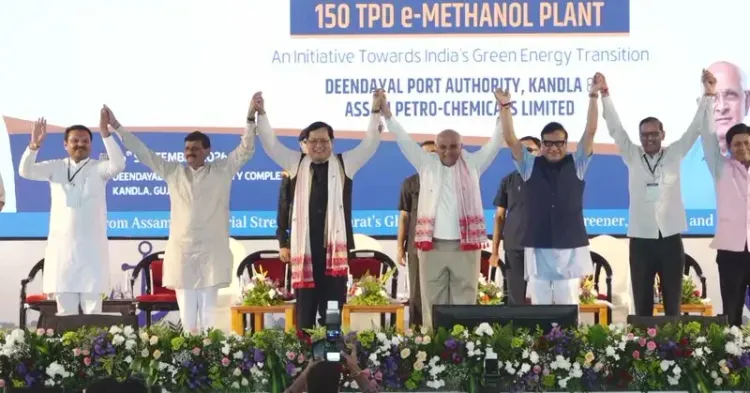
Gujarat Chief Minister Bhupendra Patel broke ground for a 150 TPD e-methanol plant by Assam Petrochemicals Ltd. at the Deendayal Port Authority complex in Kandla, Kutch, on 26 September 2026, marking a significant green-fuel infrastructure push at one of India's largest bulk-cargo ports.
Key Takeaways
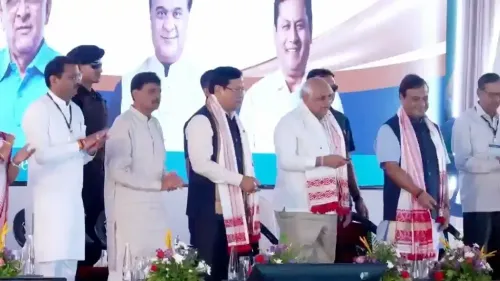
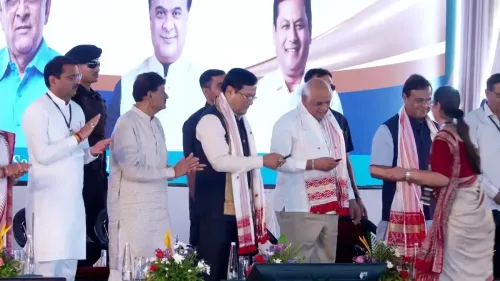
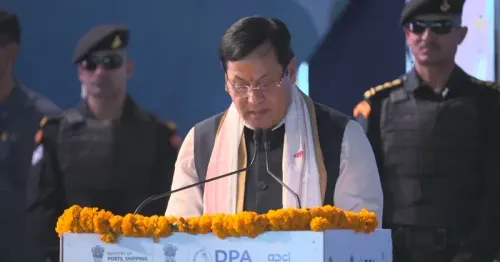
CM Bhupendra Patel performed the ground-breaking ( bhoomi pujan ) ceremony on 26 September 2026 at Deendayal Port Authority complex, Kandla, Kutch .
Assam Petrochemicals Ltd. , a Government of Assam enterprise, is establishing a 150 tonnes-per-day e-methanol plant at the Gujarat site.
The project represents an out-of-state public-sector unit leveraging Gujarat's port-side industrial infrastructure for green-fuel production.
E-methanol is synthesised using renewable inputs and can serve as a low-carbon marine fuel, hydrogen carrier, and green chemical feedstock.
Kandla (Kutch) has been progressively developed as an energy-transition industrial hub under Gujarat's port-led growth strategy.
Construction timelines and offtake agreements for the plant are yet to be publicly announced.
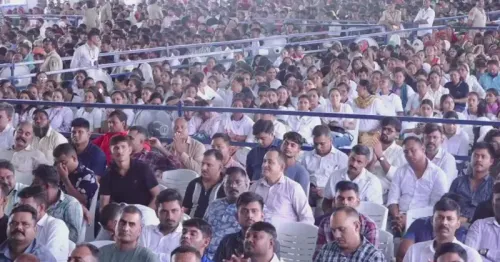
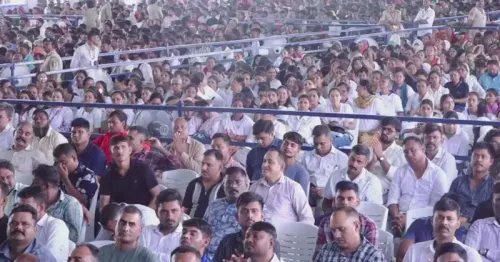
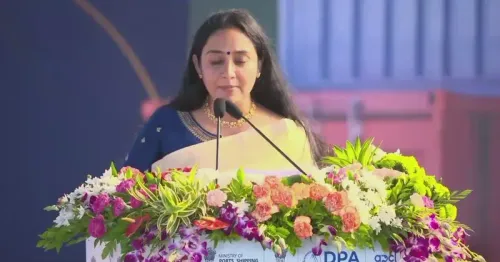
A new chapter in India's green-fuel push opened on Saturday, 26 September 2026, when Gujarat Chief Minister Bhupendra Patel performed the bhoomi pujan (ground-breaking ceremony) for a 150 tonnes-per-day e-methanol plant by Assam Petrochemicals Ltd. — not in Assam, but at the heart of Gujarat's industrial coast: the Deendayal Port Authority complex in Kandla, Kutch.
Assam's state enterprise plants its flag at Gujarat's biggest port
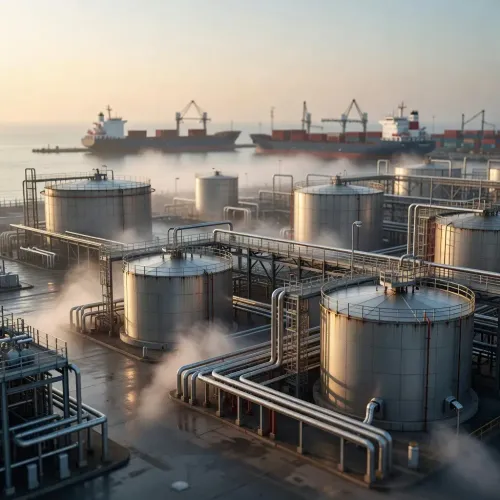
Assam Petrochemicals Ltd. (APL), a Government of Assam enterprise with roots in methanol and downstream chemical production, has chosen Kandla — one of India's busiest bulk-cargo ports — as the site for this facility. The choice is deliberate: coastal locations offer logistics advantages for both raw-material import and product export, a calculus that has made Deendayal Port a magnet for petrochemical and energy projects in recent years.
APL expanded its methanol production capacity at its home base in Namrup, Assam, as recently as 2019. The Kandla plant marks a strategic leap — an out-of-state footprint at a western-coast industrial cluster, signalling that the company is thinking in national, not regional, terms.
Why e-methanol, and why now?
E-methanol — methanol synthesised using renewable energy inputs — sits at the intersection of India's clean-energy ambitions and its push to build an alternative-fuels supply chain. Unlike conventional methanol derived from fossil feedstocks, e-methanol can serve as a low-carbon marine fuel, a hydrogen carrier, and a feedstock for green chemicals. At 150 TPD, the Kandla plant would represent meaningful commercial scale, not a pilot.
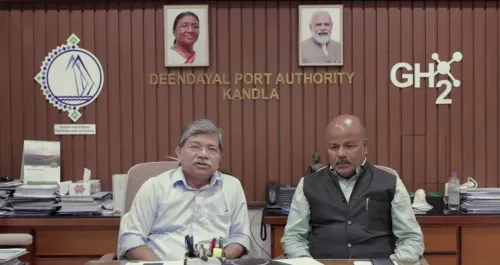
Gujarat has methodically positioned Deendayal Port — formerly Kandla Port — as an energy-transition hub, courting projects that pair port-side logistics with industrial decarbonisation. A government-owned Assam enterprise anchoring such a facility here is a textbook example of state-level facilitation: Gujarat offering land, port connectivity, and political bandwidth; APL bringing the technology mandate and public-sector credibility.
Kutch as India's green-industrial frontier
Kutch district has evolved far beyond its post-earthquake reconstruction story. Wind and solar capacity, port expansion at Mundra and Kandla, and now an e-methanol ground-breaking make it one of the most kinetic industrial corridors in western India. CM Patel's presence at the ceremony underlines that the Gujarat government views Kutch not merely as a logistics node but as a proving ground for next-generation industrial projects.
Construction timelines, offtake agreements, and the eventual renewable-energy sourcing plan for the plant will be the metrics to watch as this project moves from ceremony to concrete.
If the 150 TPD promise holds, Kandla could soon be shipping a fuel that did not exist at commercial scale in India even five years ago.
Point of View
Then LNG, now e-methanol. What makes this ceremony politically notable is the cross-state dimension: a Government of Assam enterprise choosing Gujarat's coast for its western expansion signals that industrial facilitation under CM Patel is attracting public-sector capital from distant states, not just private players. For India's alternative-fuels policy, a 150 TPD plant — if delivered at scale and on time — would be one of the larger commercial e-methanol commitments in the country, lending credibility to the broader push for green marine fuels ahead of IMO decarbonisation deadlines.
NationPress
26 Sept 2026
Frequently Asked Questions
What is e-methanol and how is it different from regular methanol?
E-methanol is methanol produced using renewable energy sources, making it a low-carbon alternative to conventional methanol derived from fossil fuels. It can be used as a clean marine fuel, a hydrogen carrier, and a feedstock for green chemicals.
Where is the Assam Petrochemicals e-methanol plant being built in Gujarat?
The 150 TPD e-methanol plant will be built at the Deendayal Port Authority complex in Kandla, Gandhinagar district of Kutch , Gujarat.
Who is Assam Petrochemicals Ltd.?
Assam Petrochemicals Ltd. (APL) is a Government of Assam enterprise focused on methanol and downstream chemical production. It expanded its home facility in Namrup, Assam in 2019 before announcing this western-coast plant.
What is the capacity of the new e-methanol plant at Kandla?
The plant has a proposed capacity of 150 tonnes per day (TPD) of e-methanol, representing a significant commercial-scale commitment to green-fuel production.
Why is Gujarat's Deendayal Port chosen for this plant?
Deendayal Port (Kandla) offers superior logistics — bulk-cargo handling, coastal access for raw-material import and product export — making it an attractive site for petrochemical and energy projects. Gujarat has actively positioned the port as an energy-transition industrial hub.