CM Bhupendra Patel Hails Gujarat's Bullet Train Readiness
Synopsis
Gujarat CM Bhupendra Patel posted on X on 1 November 2026 celebrating visible progress on India's first Bullet Train — the 508-km Mumbai–Ahmedabad High Speed Rail Corridor — calling Gujarat ready and the project a spur for trade, tourism, and youth aspirations.
Key Takeaways
Gujarat CM Bhupendra Patel publicly celebrated progress on the Mumbai–Ahmedabad High Speed Rail Corridor on 1 November 2026 .
The corridor spans 508 kilometres and uses Japanese Shinkansen technology.
The project was formalised via a 2015 India-Japan MoU with 81% funding through a Japanese ODA soft loan.
PM Narendra Modi laid the foundation stone in Ahmedabad in 2017 ; NHSRCL is the executing body.
The corridor is expected to cut the Mumbai–Ahmedabad journey to under three hours , from roughly seven by conventional rail.
Gujarat hosts the corridor's western segment including the Sabarmati terminus in Ahmedabad.
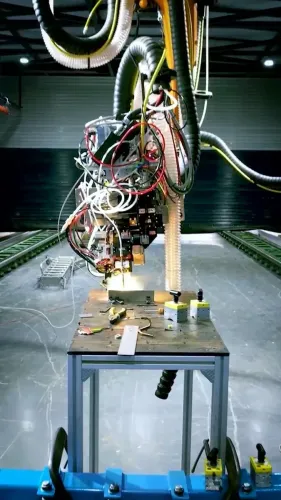
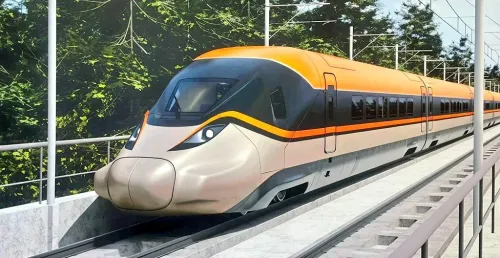
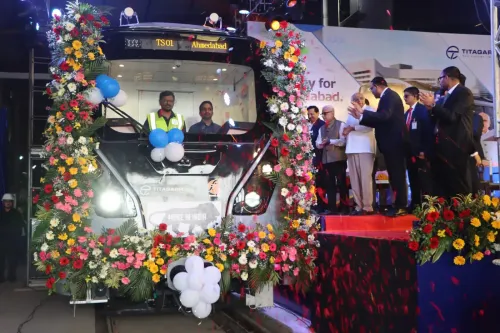
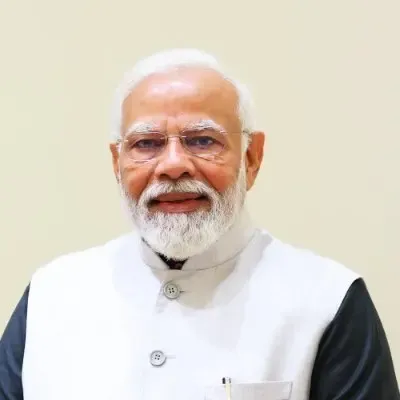
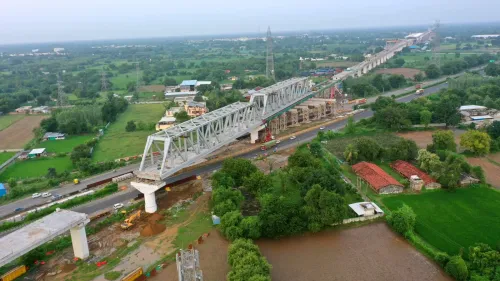
India's first Bullet Train is no longer just a blueprint — it is taking shape on the ground, and Gujarat Chief Minister Bhupendra Patel wants the country to hear it loud and clear. On Sunday, 1 November 2026, Patel posted on X to celebrate the progress of the Mumbai–Ahmedabad High Speed Rail Corridor, declaring Gujarat ready to welcome high-speed rail and calling it a catalyst for trade, tourism, and youth ambition.
A 508-km promise a decade in the making
The Mumbai–Ahmedabad High Speed Rail Corridor stretches 508 kilometres and is built on Japanese Shinkansen technology — the same network that reshaped mobility across Japan. The project was formalised under a 2015 memorandum of understanding between India and Japan, with 81 per cent of the funding flowing through a Japanese Official Development Assistance soft loan. Prime Minister Narendra Modi laid the foundation stone in Ahmedabad in 2017, and the National High Speed Rail Corporation Limited (NHSRCL) — a special purpose vehicle under Indian Railways — has been executing the alignment ever since.
Gujarat sits at the western anchor of the corridor, making the state a direct stakeholder in every milestone. Patel's post taps into that civic pride, framing the high-speed line not just as an infrastructure upgrade but as a generational shift: 'new speed to trade, tourism and the dreams of our youth.'
Japan's technology, India's ambition
The India-Japan partnership underpinning this project is one of the most significant bilateral infrastructure tie-ups in South Asia. Tokyo's decision to extend a concessional loan — at roughly 0.1 per cent interest over 50 years — reflected both strategic depth and confidence in India's economic trajectory. The Shinkansen system, running at speeds of up to 320 km/h, promises to shrink the roughly seven-hour conventional rail journey between Mumbai and Ahmedabad to under three hours. That compression of distance is the economic argument Patel is amplifying.
Gujarat as the corridor's western gateway
For Gujarat, the stakes are tangible. The corridor passes through several key districts in the state before crossing into Maharashtra, and the bulk of the stations — including the terminus at Ahmedabad's Sabarmati — sit on Gujarat soil. Faster connectivity to Mumbai, India's financial capital, could supercharge the movement of goods, executives, and tourists between two of the country's most commercially active regions.
CM Patel's exclamation — 'Can't wait to ride it!' — is the kind of political moment that doubles as a public-confidence signal: a sitting Chief Minister betting his credibility on a delivery timeline. The eyes of commuters, traders, and infrastructure watchers across both states are firmly on the next announcement from NHSRCL.
Point of View
Celebrating visible construction progress helps the party convert a long-gestation project into a tangible electoral asset. The framing around 'youth dreams' and trade signals an attempt to broaden the bullet train's appeal beyond engineering enthusiasts to everyday aspirational voters. How quickly NHSRCL translates political momentum into a confirmed trial-run date will determine whether this enthusiasm holds.
NationPress
1 Nov 2026
Frequently Asked Questions
What is the Mumbai–Ahmedabad High Speed Rail Corridor?
It is India's first planned high-speed rail line, a 508-km corridor connecting Mumbai and Ahmedabad using Japanese Shinkansen technology, executed by the National High Speed Rail Corporation Limited (NHSRCL) .
When was the Mumbai–Ahmedabad bullet train project started?
A formal MoU between India and Japan was signed in 2015 , and PM Narendra Modi laid the foundation stone in Ahmedabad in 2017 .
How is the bullet train project funded?
81 per cent of the project cost is funded through a Japanese Official Development Assistance (ODA) soft loan at approximately 0.1 per cent interest over 50 years .
What did Gujarat CM Bhupendra Patel say about the bullet train?
On 1 November 2026 , CM Patel posted on X that 'Bharat's first Bullet Train is taking shape' and that Gujarat is 'ready to welcome it,' saying it will bring cities closer and accelerate trade, tourism, and youth aspirations.
How fast will the Mumbai–Ahmedabad bullet train travel?
Based on the Shinkansen system, the train is designed to run at speeds up to 320 km/h , cutting the Mumbai–Ahmedabad journey to under three hours from roughly seven hours by conventional rail.