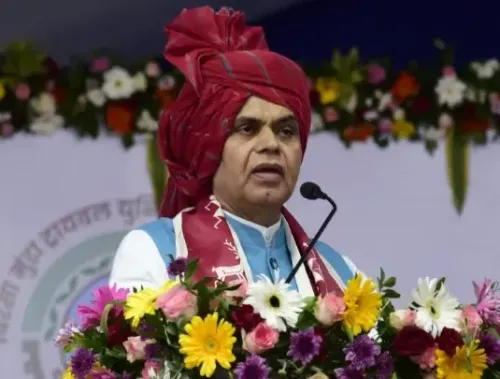
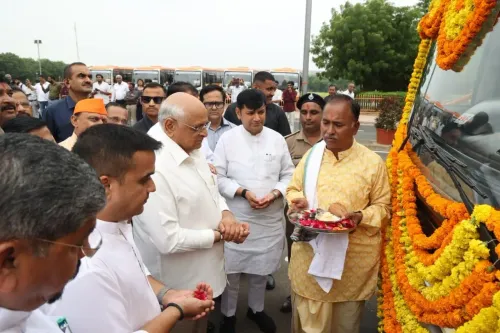
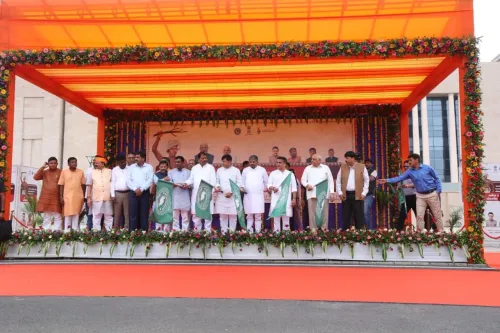
CM Bhupendra Patel flags off 139 buses for tribal students in Gujarat
Synopsis
Gujarat CM Bhupendra Patel flagged off 139 GPS-equipped buses from Gandhinagar on 21 July 2026 under the Bhagwan Birsa Munda Tribal Pride Transport Service, aiming to provide safe school transport to around 4,100 tribal students in remote and hilly areas for the 2026-27 academic year.
Key Takeaways
139 new buses flagged off from Gandhinagar on 21 July 2026 under the Bhagwan Birsa Munda Janjatiya Gaurav Parivahan Seva .
The service is a joint initiative of Gujarat's Tribal Development Department and GSRTC .
All buses are equipped with GPS technology for real-time digital monitoring.
Approximately 4,100 tribal students in remote, hilly, and inaccessible areas will directly benefit.
The scheme specifically aims to boost girl-child education and reduce the tribal student dropout rate.
The service was originally launched at Dediyapada, Narmada district , to mark Bhagwan Birsa Munda's 150th birth anniversary .
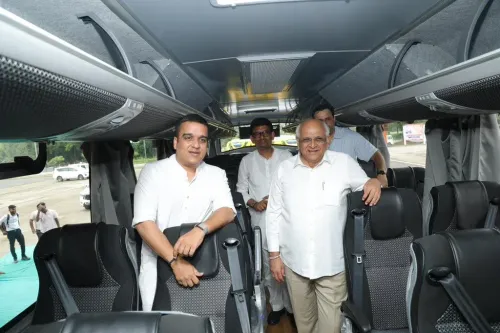
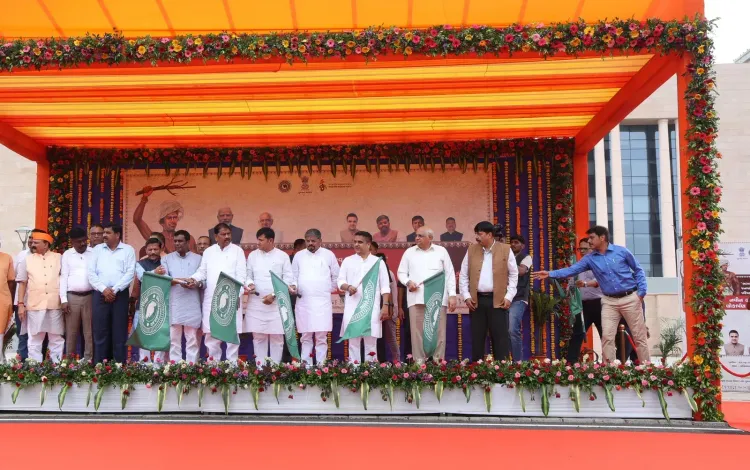
Gujarat Chief Minister Bhupendra Patel on Tuesday, 21 July 2026, flagged off 139 new buses from Gandhinagar under the 'Bhagwan Birsa Munda Janjatiya Gaurav Parivahan Seva' (Bhagwan Birsa Munda Tribal Pride Transport Service), a joint initiative of the Tribal Development Department and the Gujarat State Road Transport Corporation (GSRTC), aimed at providing safe and timely transport to tribal students in remote and hilly regions of the state.
Context
The transport service was originally launched at Dediyapada in Narmada district to mark the 150th birth anniversary of Bhagwan Birsa Munda, the revered tribal freedom fighter, under the inspiration of Prime Minister Narendra Modi. Tuesday's flagging-off from Gandhinagar marks a significant expansion of the fleet, extending the scheme's reach across tribal belts of Gujarat. The scheme operates as a collaboration between the state's tribal welfare machinery and its public bus network.
Policy Backdrop
The Janjatiya Gaurav Parivahan Seva is designed to address one of the most persistent barriers to tribal education in Gujarat — the lack of reliable last-mile connectivity between remote villages and schools or colleges. All 139 buses have been equipped with GPS technology for digital monitoring, ensuring route compliance and student safety. The scheme specifically targets students in antariyal, durgam ane pahadi vistaaro (remote, inaccessible, and hilly areas), enabling them to pursue courses of their choice without disruption.
The Gujarat government has in recent years scaled up tribal education interventions through residential schools, scholarship programmes, and now dedicated transport infrastructure. This bus service fits within a broader state push to reduce institutional dropout among Scheduled Tribe students, who face disproportionately high attrition rates in secondary and higher education.
Stakeholders and Impact
Approximately 4,100 tribal students are expected to directly benefit from the newly flagged-off buses. Chief Minister Patel specifically highlighted the scheme's potential to accelerate girl-child education (kanya kelavani), noting that safe, supervised transport is a key factor in families' decisions to send daughters to school. Alongside improving attendance, the service is expected to reduce dropout rates and bring regularity to students' academic participation.
The GSRTC, which operates one of India's largest state bus networks, will manage day-to-day operations, while the Tribal Development Department will oversee routing priorities and beneficiary tracking through the GPS-linked monitoring system. Tribal communities across Narmada, Tapi, Dahod, Chhota Udaipur, and other predominantly tribal districts are the primary target population.
What's Next
CM Patel conveyed best wishes to all tribal students for the academic year 2026-27, signalling that the state government intends to sustain and deepen its education-linked outreach to tribal youth. The administration has indicated it will continue working to channel tribal youth toward a brighter future through education as the primary vehicle of empowerment. Expansion of the GPS monitoring framework and potential addition of more routes will depend on ridership data gathered during the current academic year.
Point of View
Dedicated bus routes addresses a structurally documented barrier to tribal secondary enrolment, and the emphasis on girl-child education signals awareness of gender-disaggregated dropout data. However, the scheme's long-term impact will hinge on route coverage, driver accountability, and whether the monitoring infrastructure translates into actionable interventions when students are absent. The 4,100-student figure, while significant, is modest against Gujarat's total Scheduled Tribe student population, suggesting this is an early-phase rollout with room for scale.
NationPress
20 Oct 2026
Frequently Asked Questions
What is the Bhagwan Birsa Munda Janjatiya Gaurav Parivahan Seva in Gujarat?
It is a joint transport scheme by Gujarat's Tribal Development Department and GSRTC that provides dedicated bus services to tribal students in remote and hilly areas, helping them travel safely from home to school or college. The service was named after tribal freedom fighter Bhagwan Birsa Munda on the occasion of his 150th birth anniversary.
How many buses were flagged off by Gujarat CM Bhupendra Patel on 21 July 2026?
Gujarat Chief Minister Bhupendra Patel flagged off 139 new buses from Gandhinagar on 21 July 2026 under the Bhagwan Birsa Munda Janjatiya Gaurav Parivahan Seva.
How many students will benefit from Gujarat's tribal student bus service?
Approximately 4,100 tribal students in remote, inaccessible, and hilly areas of Gujarat are expected to directly benefit from the 139 new buses launched under the scheme.
Are the GSRTC tribal buses equipped with GPS tracking?
Yes, all 139 buses under the Bhagwan Birsa Munda Janjatiya Gaurav Parivahan Seva have been fitted with GPS devices to enable digital monitoring of routes and ensure student safety.
Where was the Birsa Munda tribal transport scheme first launched in Gujarat?
The scheme was originally launched at Dediyapada in Narmada district to coincide with Bhagwan Birsa Munda's 150th birth anniversary, before being expanded with the flagging-off of 139 additional buses from Gandhinagar.