Gujarat adds 139 buses for tribal students under Birsa Munda scheme, 4,100 more to benefit
Synopsis
Gujarat's tribal student bus scheme just doubled down. With 139 new GPS-tracked buses flagged off in Gandhinagar on 21 July — adding 4,100 students to a network already serving 5,700 — the Birsa Munda scheme is emerging as the state's most tangible bet on closing the last-mile education gap in remote tribal areas.
Key Takeaways
Gujarat launched 139 new buses under the Bhagwan Birsa Munda Janjatiya Gaurav Parivahan Seva on 21 July in Gandhinagar .
The new fleet will benefit more than 4,100 additional students in remote tribal areas at a cost of ₹33.84 crore .
The state plans a total of 250 buses under the scheme with an overall outlay of ₹72 crore .
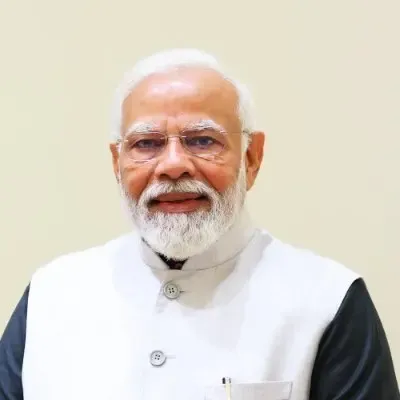
The first phase of 111 buses , launched on 15 November last year by PM Narendra Modi , is already serving around 5,700 students in 2026-27.
All buses carry GPS tracking; a dedicated web portal logs routes, students, and daily operations for real-time monitoring.
Outside school hours, buses serve the general public in tribal areas under a revenue model.
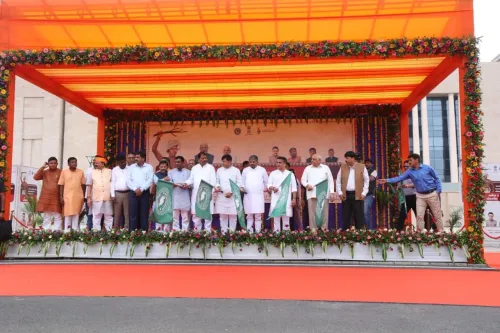
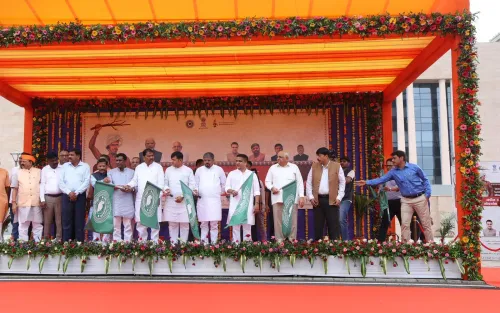
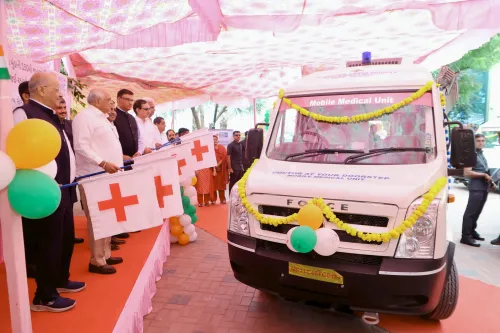
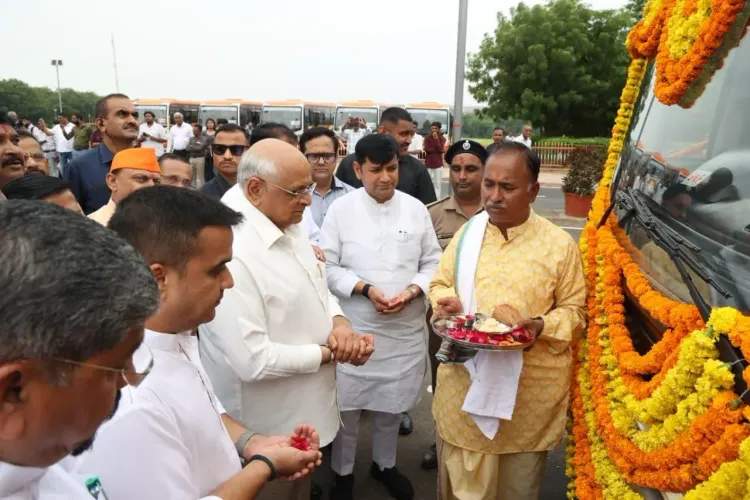
The Gujarat government on Tuesday, 21 July expanded its dedicated student transport network for remote tribal communities by flagging off 139 new buses under the Bhagwan Birsa Munda Janjatiya Gaurav Parivahan Seva in Gandhinagar, extending safe commute access to more than 4,100 additional students across the state's tribal belts.
Key Developments
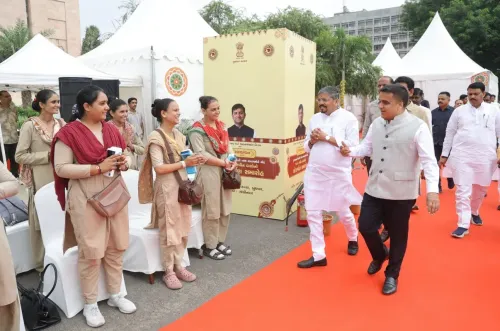
Chief Minister Bhupendra Patel and Deputy Chief Minister Harsh Sanghavi jointly flagged off the new fleet at the ceremony in Gandhinagar. The buses have been deployed through a collaborative effort between the Tribal Development Department and the Gujarat State Road Transport Corporation (GSRTC) at a cost of ₹33.84 crore.
This second phase forms part of a broader state plan to deploy a total of 250 buses under the scheme, backed by an overall allocation of ₹72 crore. All buses are equipped with GPS for real-time tracking, and a dedicated web portal will log daily data — including student names, bus pass numbers, routes, schools, and villages — enabling continuous oversight by authorities.
How the Scheme Works
The buses will ferry students between their homes and educational institutions during school and college hours. Outside those hours, they will operate on regular public routes within tribal areas under a revenue model, ensuring the fleet remains economically productive round the clock.
The initiative specifically targets children and young people living in remote, inaccessible, and hilly tribal regions who previously had to travel long distances on foot or at personal expense to reach the nearest school or college. According to the state government, the scheme is also designed to encourage girls' education by providing regular, secure transport — addressing a known barrier to female enrolment in tribal districts.
Building on Phase One
The current rollout builds directly on the scheme's first phase, launched on 15 November last year — the 150th birth anniversary of Bhagwan Birsa Munda — when Prime Minister Narendra Modi flagged off 111 buses from Dediapada in Narmada district. Those buses are now serving students across Gujarat's tribal districts, with around 5,700 students using the first batch during the 2026-27 academic year.
Cumulatively, once the second phase is fully operational, the scheme is on track to serve approximately 9,800 students across both phases — a significant uplift in last-mile educational connectivity for one of India's more geographically challenging tribal regions.
Officials and Attendance
The flag-off ceremony was attended by Tribal Development Minister Naresh Patel; Minister of State for Transport Pravin Mali; Ministers of State P. C. Baranda, Jayram Gamit, and Ramesh Katara; legislators from tribal constituencies; Chief Secretary M. K. Das; and senior government and departmental officials.
With sectoral targets set and GPS-linked monitoring in place, the government's stated focus will be on reducing dropout rates and sustaining attendance gains — metrics that will determine whether the scheme delivers lasting impact beyond the headline bus count.
Point of View
And Gujarat is addressing it at scale. But the real test is attendance and retention data, not bus counts. The GPS portal and web-based student tracking are promising accountability tools, yet their value depends entirely on whether the state publishes and acts on the numbers. With dropout rates in tribal districts persistently above the national average, the government's own framing — 'reduce dropout rates' — sets a bar that will be hard to fudge. Phase two's impact will become visible only when the 2026-27 academic year ends and enrolment figures are compared against pre-scheme baselines.
NationPress
20 Oct 2026
Frequently Asked Questions
What is the Bhagwan Birsa Munda Janjatiya Gaurav Parivahan Seva?
It is a Gujarat government scheme that provides dedicated bus transport for students from remote tribal areas to reach schools and colleges. Launched in November last year, it is jointly operated by the Tribal Development Department and GSRTC, with all buses GPS-tracked and monitored through a dedicated web portal.
How many students will benefit from the new 139 buses?
The 139 new buses launched on 21 July are expected to benefit more than 4,100 additional students. Combined with the 5,700 students already using the first phase of 111 buses, the cumulative reach of the scheme is approaching approximately 9,800 students.
What is the total budget for the Gujarat tribal student transport scheme?
The state government has allocated ₹72 crore for the full rollout of 250 buses under the scheme. The second phase of 139 buses cost ₹33.84 crore.
When was the first phase of the scheme launched?
The first phase was launched on 15 November last year — the 150th birth anniversary of Bhagwan Birsa Munda — when Prime Minister Narendra Modi flagged off 111 buses from Dediapada in Narmada district.
How are the buses monitored and what happens outside school hours?
All buses are equipped with GPS for real-time tracking, and a dedicated web portal records daily data including student names, bus pass numbers, routes, and schools. Outside school and college hours, the buses operate on public routes in tribal areas under a revenue model.