CM Bhupendra Patel Leads Shramdaan Drive at Ghuma Village Lake
Synopsis
Chief Minister Bhupendra Patel led a shramdaan cleanliness drive at Ghuma village lake in Ahmedabad on 24 September 2026 under the Seva Sankalp Abhiyan, urging citizens to treat cleanliness as a moral duty and personally commending sanitation workers on site.
Key Takeaways
Chief Minister Bhupendra Patel personally participated in a shramdaan (voluntary labour) cleanliness drive at Ghuma village lake in Ahmedabad .
The event was part of Gujarat's Seva Sankalp Abhiyan , a state campaign promoting voluntary civic service.
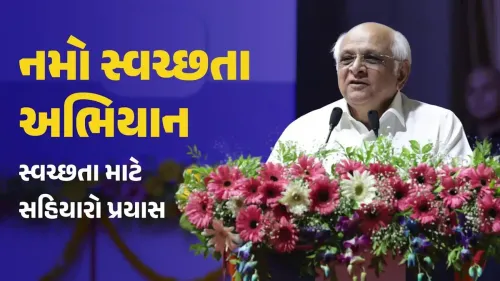
Patel urged all citizens to treat cleanliness as a moral responsibility and contribute to 'Swachh Gujarat, Swachh Bharat' .
The Chief Minister engaged directly with sanitation workers at the site and publicly appreciated their contributions.
The drive is aligned with the national Swachh Bharat Mission , launched in 2014 , which aims to build lasting sanitation habits across India.
Gujarat has routinely staged such citizen-participation events to sustain cleanliness rankings and reinforce civic ownership of public spaces.
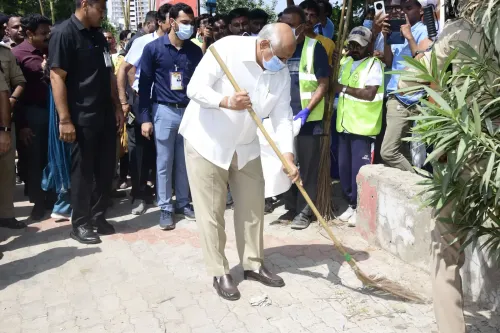
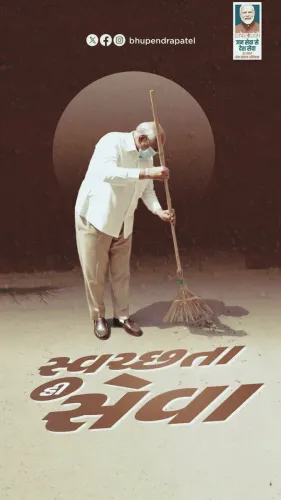
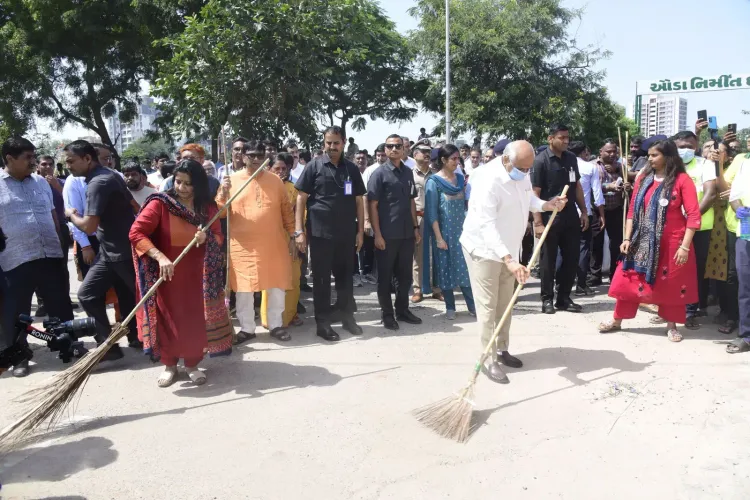
Broom in hand, message in mind — Chief Minister Bhupendra Patel joined fellow dignitaries at the Ghuma village lake in Ahmedabad on Thursday, 24 September 2026, rolling up his sleeves for a public shramdaan (voluntary labour) drive under the Seva Sankalp Abhiyan to drive home a single point: cleanliness is not a government mandate, it is a moral duty.
The Chief Minister's Office posted in Gujarati that Patel participated in the cleanliness campaign alongside other dignitaries near the Ghuma village lake in Ahmedabad, and swachhtane naitik javabdari samji — treating cleanliness as a moral responsibility — inspired citizens to build a 'Swachh Gujarat, Swachh Bharat' (Clean Gujarat, Clean India). He also engaged directly with sanitation workers present at the event, commending their daily contributions to public hygiene.Shramdaan at Ghuma: What the CM Did and Said
Patel's physical participation — rather than a ribbon-cutting or a speech from a podium — is deliberate symbolism. By engaging in shramdaan alongside sanitation workers, the state's top executive aligned himself with the frontline workforce that keeps urban spaces functional. His public appreciation of their work feeds into a growing policy emphasis on recognising and dignifying sanitation labour, a shift that has accelerated under the national Swachh Bharat Mission framework. The hashtag #SevaSankalpAbhiyan ties the event to Gujarat's broader voluntary-service campaign, which channels civic energy into governable public-good activities — cleanliness drives, blood donation camps, tree-planting — that reinforce both state branding and community ownership.From Swachh Bharat's 2014 Roots to a Gujarat-Led Push
Swachh Bharat Mission, launched nationally in 2014, set out to eliminate open defecation and build durable sanitation habits. Gujarat has periodically staged shramdaan events under this framework to sustain public momentum beyond the infrastructure phase. State-level cleanliness rankings and public health outcomes depend as much on behavioural change as on physical infrastructure — which is precisely why the Chief Minister's visible presence at a lake-side clean-up carries weight beyond the symbolic. Sanitation workers and Ahmedabad residents are the immediate beneficiaries of renewed civic attention. For the workers, formal recognition from the Chief Minister translates into heightened visibility; for residents, it is a call to treat their neighbourhood commons — lakes, parks, roads — as shared responsibilities rather than municipal problems.Seva Sankalp Abhiyan and the State's Cleanliness Ambitions
The Seva Sankalp Abhiyan sits at the intersection of state governance and citizen mobilisation. Gujarat has used such campaigns to keep cleanliness indices competitive, often staging high-visibility events ahead of national surveys. Whether this drive produces lasting behavioural shifts or remains a photo moment will depend on the follow-through — the next rounds of the Abhiyan and any forthcoming sanitation performance reviews will be the real test. For now, the image of a Chief Minister and sanitation workers standing side by side at a village lake is the message — and the Ghuma lake has become its backdrop.Point of View
However, will come from independent sanitation audits rather than curated visuals.
NationPress
24 Sept 2026
Frequently Asked Questions
What is the Seva Sankalp Abhiyan in Gujarat?
Seva Sankalp Abhiyan is a Gujarat government campaign that mobilises citizens and officials for voluntary service activities such as cleanliness drives, tree planting, and blood donation camps to promote civic responsibility.
Where is Ghuma village located?
Ghuma is a locality in Ahmedabad district in Gujarat, India, and was the site of the Chief Minister's shramdaan cleanliness drive on 24 September 2026.
What is shramdaan and why does the CM participate?
Shramdaan means voluntary physical labour donated for a public cause. When a Chief Minister participates, it signals that cleanliness is a shared civic duty rather than solely a task for municipal workers.
What is Swachh Bharat Mission and when was it launched?
Swachh Bharat Mission is a national cleanliness initiative launched in 2014 to eliminate open defecation, improve waste management, and build public sanitation habits across India.
What did CM Bhupendra Patel say at the Ghuma cleanliness drive?
CM Patel urged all citizens to treat cleanliness as a moral responsibility and called on them to contribute to a 'Swachh Gujarat, Swachh Bharat'. He also commended sanitation workers for their daily efforts.