CM Bhupendra Patel Champions Cleanliness as Culture in Gujarat
Synopsis
Gujarat CM Bhupendra Patel posted on September 25, 2026 calling cleanliness a cultural value, not just a campaign, and praised Bhavena residents for their civic enthusiasm under the #SevaSankalpAbhiyan drive.
Key Takeaways
Gujarat Chief Minister Bhupendra Patel posted on September 25, 2026 under #SevaSankalpAbhiyan , calling cleanliness a matter of culture and daily character.
He specifically recognised residents of Bhavena , a Gujarat locality, for their enthusiasm around cleanliness drives.
His post frames the issue using the Gujarati concept of sanskar — cultural character — arguing that hygiene must outlast any single government scheme.
The Seva Sankalp Abhiyan is a BJP-linked civic initiative; its national philosophical anchor is the Swachh Bharat Mission launched in 2014 .
Gujarat has consistently aligned state-level campaigns with the Swachh Bharat framework, using cleanliness drives to bridge party ideology and measurable civic outcomes.
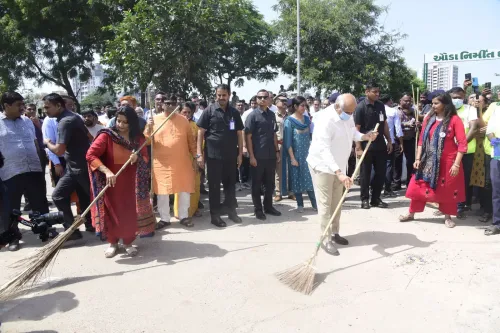
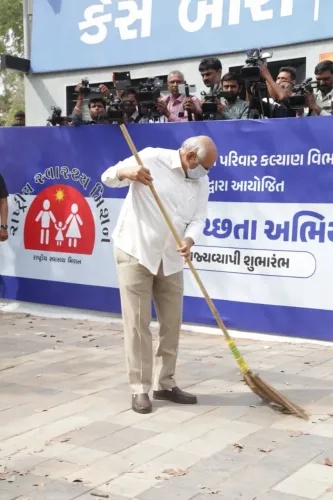
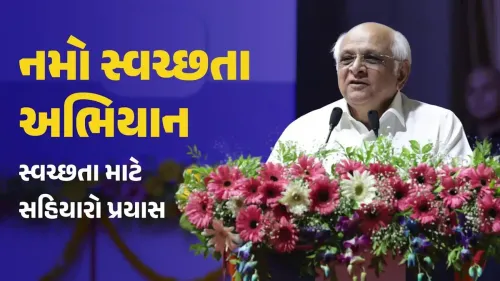
Cleanliness, Gujarat Chief Minister Bhupendra Patel declared on Friday, September 25, 2026, is not merely a campaign — it is a value that must become second nature to every citizen. Posting in Gujarati under the hashtag #SevaSankalpAbhiyan, the Chief Minister pointed specifically to residents of Bhavena as a model of civic pride worth sustaining.
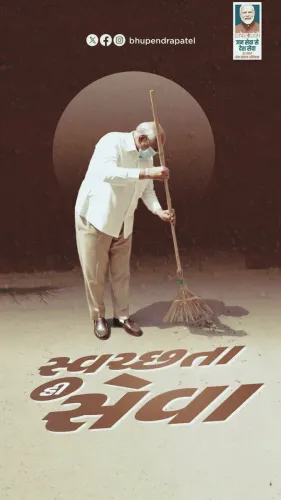
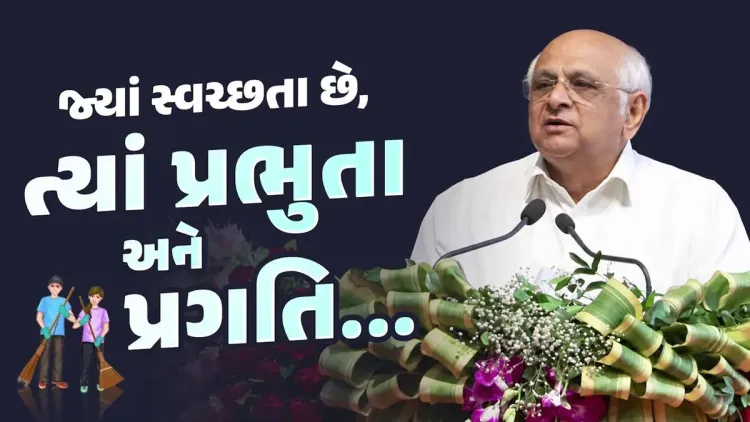
In his own words: 'સ્વચ્છતા માત્ર એક અભિયાન નથી.. એ આપણા સંસ્કાર અને રોજિંદો સ્વભાવ બનવો જોઈએ.' ('Cleanliness is not just a campaign — it should become our culture and daily disposition.') He added a pointed observation: 'Where there is cleanliness, there resides both dignity and progress.' The message frames hygiene not as a government directive but as a civilisational habit — one the state wants to make permanent.
Bhavena's Civic Enthusiasm Draws the CM's Spotlight
Patel singled out Bhavena — a locality in Gujarat — for its residents' visible enthusiasm around cleanliness, calling it an example worth preserving for the long term. The shout-out is a deliberate signal: state-level recognition of local participation is one of the BJP's tested tools for sustaining ground-level momentum in civic campaigns. When a Chief Minister names your neighbourhood on a national platform, the incentive to keep going goes up.
Seva Sankalp Abhiyan and the Swachh Bharat Thread
The post sits squarely inside the Seva Sankalp Abhiyan, a BJP-linked initiative that bundles service, resolve, and civic action into a single campaign identity. At the national level, its philosophical parent is the Swachh Bharat Mission, launched in 2014, which first reframed sanitation as a mass cultural movement rather than a purely administrative target. Gujarat's alignment with that framework has been consistent — the state has repeatedly used cleanliness drives as a bridge between party ideology around seva (service) and measurable on-the-ground change.
Patel's framing — that cleanliness is sanskar (cultural character) — echoes a strand of argument the Mission has always made: behavioural change outlasts any single scheme. The kicker in his post, that 'dignity and progress both reside where cleanliness exists,' is a tidy compression of that philosophy into a shareable line.
Whether Bhavena's enthusiasm translates into data — cleaner wards, higher sanitation scores, or documented participation in the Abhiyan's next phase — will be the real measure. For now, the Chief Minister has raised the bar publicly, and Bhavena is watching.
Point of View
High-return tool for sustaining participation in mass campaigns without fresh administrative spend. The broader arc here is the Swachh Bharat Mission's twelve-year journey from a flagship launch to an embedded state-government norm — Gujarat's consistent alignment is both ideological and electoral. The next test is whether the Seva Sankalp Abhiyan generates verifiable cleanliness outcomes or remains primarily a mobilisation exercise.
NationPress
25 Sept 2026
Frequently Asked Questions
What is the Seva Sankalp Abhiyan mentioned by CM Bhupendra Patel?
The Seva Sankalp Abhiyan is a BJP-linked campaign that promotes service, civic resolve, and cleanliness initiatives at the grassroots level, aligned with the broader Swachh Bharat Mission framework.
What did Gujarat CM Bhupendra Patel say about cleanliness on September 25, 2026?
CM Patel said cleanliness should not remain just a campaign but must become a cultural value and daily disposition, adding that dignity and progress both reside where cleanliness exists.
Where is Bhavena and why did the CM mention it?
Bhavena is a locality in Gujarat whose residents were specifically praised by CM Patel for showing strong enthusiasm towards cleanliness — he called on them to sustain that spirit permanently.
How does the Swachh Bharat Mission connect to Gujarat's cleanliness campaigns?
The Swachh Bharat Mission, launched nationally in 2014, reframed sanitation as a mass cultural movement; Gujarat has consistently aligned its state-level drives, including the Seva Sankalp Abhiyan, with that national framework.
What is the meaning of the Gujarati word 'sanskar' used in the cleanliness context?
'Sanskar' means cultural character or ingrained value — CM Patel used it to argue that cleanliness must be an instinctive habit rather than a response to a government directive.