Gujarat Deputy CM Sanghavi credits Bhupendra Patel for tough anti-corruption drive
Synopsis
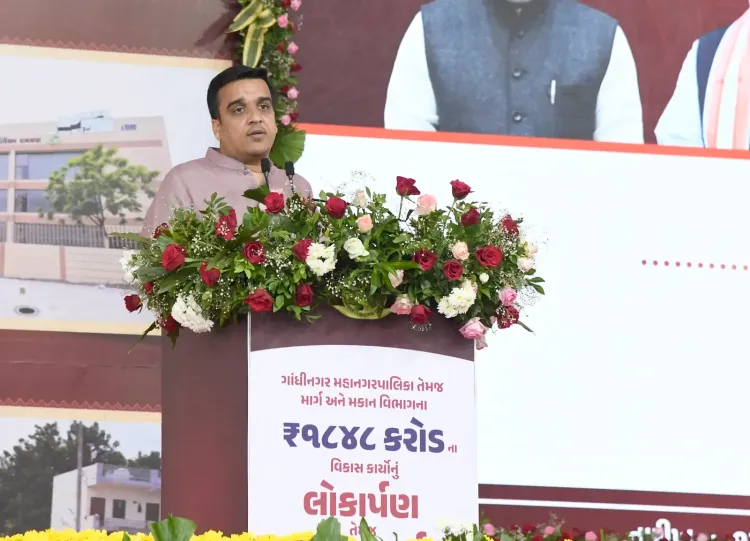
Gujarat Deputy CM Harsh Sanghavi's 'Gangajal' remark at a ₹1,848 crore Gandhinagar event was more than praise — it was a political signal that CM Bhupendra Patel has prosecuted the toughest anti-corruption drive of any state leader nationally, even as 30 new e-buses rolled out and the capital's transformation took centre stage.
Key Takeaways
Deputy CM Harsh Sanghavi credited CM Bhupendra Patel with making the highest number of corrupt officials accountable of any state in the country, using the 'Gangajal' metaphor at a public event on 12 September 2026 .
Development works worth ₹1,848 crore were inaugurated and launched in Gandhinagar at the event.
Around 30 new e-buses were flagged off jointly by Chief Minister Bhupendra Patel and Deputy CM Sanghavi , who rode one as ordinary passengers.
Sanghavi highlighted Gandhinagar 's transformation into a 24-hour urban centre, citing GIFT City , Mahatma Mandir , and the Helipad Exhibition Ground as defining landmarks.
The Deputy CM appealed to citizens to support PM Narendra Modi 's national cleanliness campaign and pledged government backing for Navratri festivities and small traders.
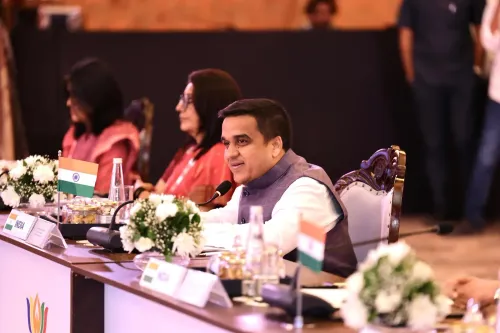
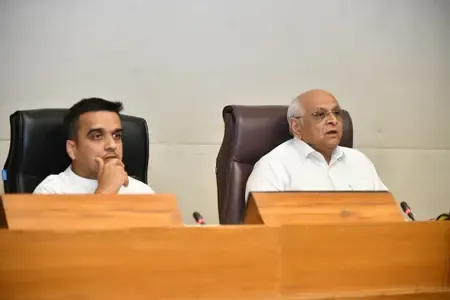
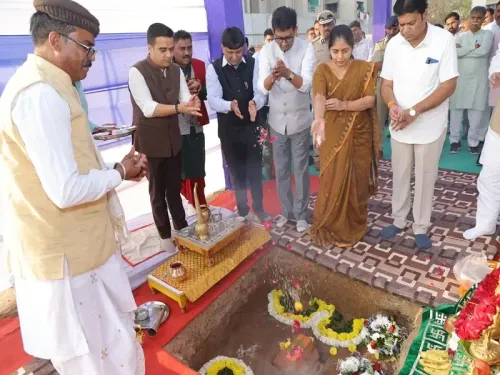
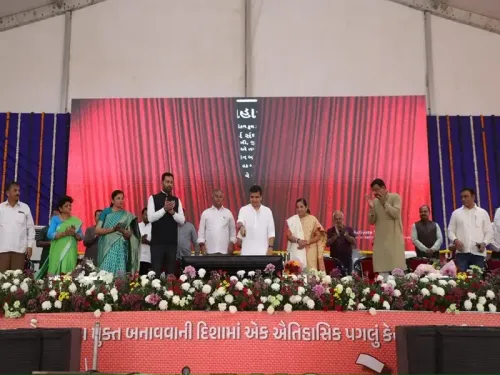
Gujarat Deputy Chief Minister Harsh Sanghavi on Saturday, 12 September 2026, publicly credited Chief Minister Bhupendra Patel with executing the most decisive anti-corruption crackdown of any state leader in the country, speaking at a ₹1,848 crore development inauguration event in Gandhinagar. Sanghavi argued that Patel's actions had consistently outweighed his words — a pointed contrast to what he described as politically driven governance elsewhere.
The 'Gangajal' Remark
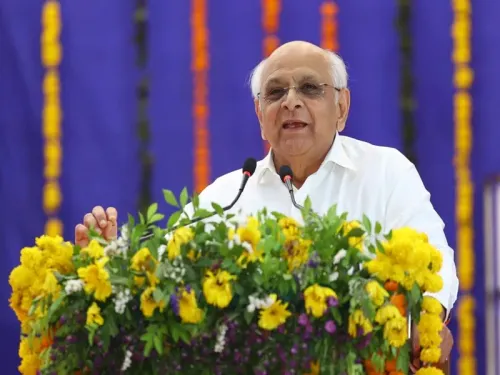
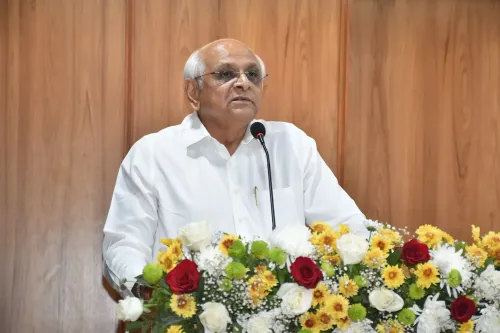
Addressing the gathering, Sanghavi said: 'Bhupendra Patel is not in the habit of speaking much; he is in the habit of working directly. Our Chief Minister Bhupendra Patel has made the highest number of corrupt officials in the entire country drink Gangajal.' The metaphor — invoking the sacred river Ganga as a symbol of oath and moral reckoning — was a rhetorical signal that corrupt officials had been compelled to face accountability under Patel's watch. Sanghavi added that the state government had taken decisions consistently in citizens' interests, and without political vendetta.
₹1,848 Crore Development Push in Gandhinagar
The event marked the inauguration and launch of development works worth ₹1,848 crore across Gandhinagar. Chief Minister Bhupendra Patel and Deputy CM Sanghavi jointly flagged off approximately 30 new e-buses, and both leaders travelled aboard one of them as ordinary passengers from the venue to the Ministers' Residential Complex — a symbolic gesture underscoring the administration's public-service orientation. Sanghavi congratulated residents on the development package and urged continued civic participation.
Gandhinagar's Urban Transformation
Sanghavi pointed to a visible shift in Gandhinagar's character, noting that the city — once associated almost exclusively with the Secretariat — had evolved into an active urban centre with modern education, industry, trade, and cultural facilities. He attributed much of this transformation to projects developed under Prime Minister Narendra Modi's earlier leadership in Gujarat, citing universities, the Helipad Exhibition Ground, GIFT City, and Mahatma Mandir as landmarks that now defined Gandhinagar's identity. 'Earlier, the streets of Gandhinagar would become deserted after evening. Today, the situation has changed,' he said, adding that the city now remained vibrant well into the night.
Navratri, Cleanliness, and Civic Responsibility
The Deputy CM also highlighted government support for Navratri, stating that citizens had been given the opportunity to play garba and worship until late at night, while small traders had been enabled to generate business on par with the Diwali season. Turning to civic behaviour, Sanghavi appealed to residents to support Prime Minister Narendra Modi's national cleanliness campaign. He noted that even educated individuals were sometimes seen discarding water bottles, wafer packets, and other waste in public spaces, adding that 'such behaviour increased the workload of sanitation workers.' He urged a collective public resolve against littering.
What's Next
With ₹1,848 crore in works now inaugurated and a fleet of 30 e-buses launched, Gandhinagar's civic infrastructure is set for a measurable expansion in the months ahead. The state government's stated emphasis on direct, fast-tracked decision-making under Chief Minister Bhupendra Patel will face its own accountability test as projects move from announcement to delivery.
Point of View
848 crore development announcement and the e-bus launch are tangible deliverables, but the anti-corruption narrative remains rhetorical until corroborated by verifiable numbers. Praising a sitting CM's governance record from the Deputy CM podium is also a standard pre-election optics move — worth contextualising for readers tracking Gujarat's political cycle.
NationPress
12 Sept 2026
Frequently Asked Questions
What did Gujarat Deputy CM Harsh Sanghavi mean by the 'Gangajal' remark about CM Bhupendra Patel?
Sanghavi used the 'Gangajal' metaphor — evoking the sacred Ganga river as a symbol of oath and moral reckoning — to assert that Chief Minister Bhupendra Patel had compelled a record number of corrupt officials to face accountability. He claimed Gujarat had taken action against the highest number of corrupt officials of any state in the country.
What development works were inaugurated in Gandhinagar on 12 September 2026?
Development works worth ₹1,848 crore were inaugurated and launched in Gandhinagar on 12 September 2026. The event also saw the launch of approximately 30 new e-buses, which CM Bhupendra Patel and Deputy CM Sanghavi rode as ordinary passengers.
How has Gandhinagar changed under the current Gujarat government?
According to Deputy CM Sanghavi, Gandhinagar has transformed from a city identified mainly with the Secretariat into an active urban centre with modern education, industry, trade, and cultural facilities. He cited GIFT City, Mahatma Mandir, the Helipad Exhibition Ground, and new universities as key additions to the city's identity.
What is the significance of the 30 e-buses launched in Gandhinagar?
The launch of around 30 new e-buses marks an expansion of Gandhinagar's public transport infrastructure as part of the broader ₹1,848 crore development package. CM Patel and Deputy CM Sanghavi flagged them off and travelled in one as regular passengers, underscoring the administration's public outreach.
What did Deputy CM Sanghavi say about civic cleanliness at the Gandhinagar event?
Sanghavi urged citizens to actively support Prime Minister Narendra Modi's national cleanliness campaign, noting that even educated individuals were seen discarding waste in public spaces. He said such behaviour increased the burden on sanitation workers and called for a collective resolve to keep public areas clean.