CM Bhupendra Patel Orders Early Narmada Canal Water Release for Farmers
Synopsis
Gujarat Chief Minister Bhupendra Patel has ordered the release of Narmada canal irrigation water from 11 June 2026 — ahead of the planned schedule — following a high-level review of available water stock, with guidelines issued to Narmada Yojana officials to support kharif farmers.
Key Takeaways
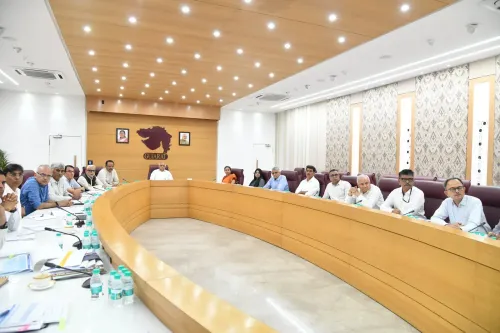
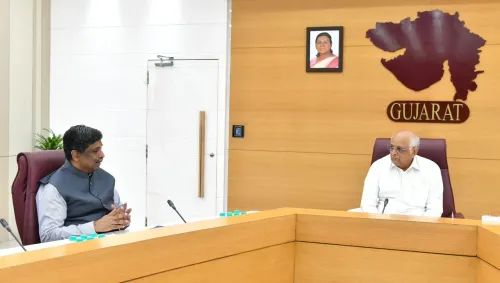
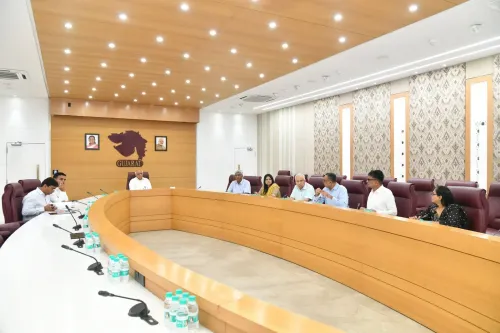
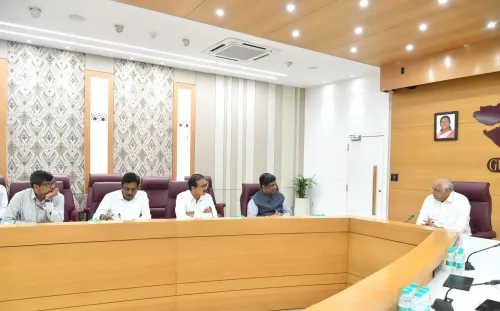
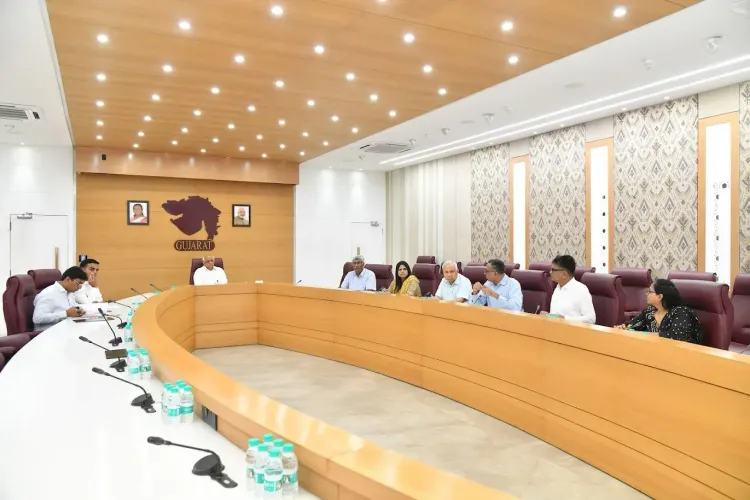
CM Bhupendra Patel chaired a high-level meeting with senior Narmada Yojana officials on 9 June 2026 to review available water stock.
Water will be released from Narmada canals for irrigation starting 11 June 2026 , earlier than the originally planned schedule.
The decision was explicitly framed as a farmer-welfare measure to meet crop irrigation needs ahead of the kharif sowing season.
Formal guidelines for the early release were issued to officials during the meeting itself, ensuring immediate operational clarity.
The Narmada Yojana (Sardar Sarovar Project) is Gujarat 's primary irrigation infrastructure, with inter-state water shares governed by the Narmada Control Authority .
Execution of the release schedule will be monitored against monsoon progress and any inter-state coordination requirements.
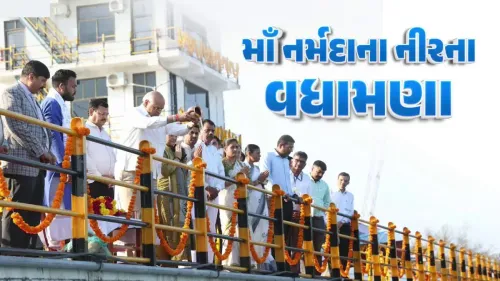
Gujarat Chief Minister Bhupendra Patel on Tuesday, 9 June 2026, chaired a high-level review meeting with senior officials of the Narmada Yojana and announced that irrigation water will be released from Narmada canals starting 11 June 2026 — ahead of the originally planned schedule — to meet the crop irrigation needs of farmers across the state.
Context
Posting in Gujarati on X, CM Patel stated that the meeting reviewed the available water stock in the Narmada Yojana and, taking into account farmers' irrigation requirements for their crops, a decision was taken to release water from the scheme's canals earlier than planned. He directed officials to issue guidelines for the early release, effective 11 June 2026. The post reads: 'ખેડૂતોના હિતમાં નર્મદા નહેરોમાંથી સિંચાઈ માટે પાણી છોડવા અંગે મહત્ત્વપૂર્ણ નિર્ણય' ['An important decision to release water for irrigation from Narmada canals in the interest of farmers'].
The decision signals that this season's canal release has been preponed from its standard schedule, a step the Chief Minister framed explicitly as a farmer-welfare measure ahead of the kharif sowing season.
Policy Backdrop
The Narmada Yojana, anchored by the Sardar Sarovar Project, is a multipurpose dam and canal network that serves as Gujarat's primary irrigation backbone, also supplying drinking water and power to the state. The project's inter-state water allocation was settled by the Narmada Water Disputes Tribunal in 1979, and water releases are regulated by the Narmada Control Authority, an inter-state body overseeing shares among Gujarat, Madhya Pradesh, Maharashtra, and Rajasthan.
Gujarat governments have conducted annual pre-season reviews of Sardar Sarovar reservoir levels since the project's phased commissioning in the 2000s, adjusting canal release timings to align with agricultural demand and monsoon variability. Early releases are particularly significant for the state's semi-arid regions, where farmers depend on canal water to initiate kharif sowing before rains arrive reliably.
Stakeholders and Impact
The primary beneficiaries are farmers within the Narmada command area — the irrigated belt served by the canal network — who rely on timely water availability to prepare fields and sow crops such as cotton, groundnut, and pulses. In Gujarat's semi-arid districts, where rainfall onset can be uneven, an early canal release reduces dependence on groundwater and lowers input costs for farmers.
The decision also carries administrative significance: by issuing formal guidelines in the meeting itself, CM Patel has set a clear operational directive for Narmada Yojana officials, minimising delays between the policy announcement and field-level execution. Broader inter-state coordination with the Narmada Control Authority will remain relevant as the release is implemented.
What's Next
All eyes will be on the actual commencement of water flow through Narmada canals from 11 June 2026 and whether the release schedule holds or is adjusted in response to monsoon progress or inter-state coordination requirements. Officials are expected to monitor reservoir levels continuously through the kharif season and calibrate subsequent releases accordingly.
If the early release is executed as announced, it could set a precedent for proactive, farmer-first scheduling of canal operations in future seasons — reinforcing Gujarat's established pattern of treating the Narmada infrastructure as an active instrument of agricultural policy rather than a passive utility.
Point of View
CM Patel is sending a visible signal of administrative responsiveness ahead of the kharif season — a politically resonant gesture in a state where farm-sector stability is closely tied to the ruling party's rural support base. The timing, just days before the scheduled release, also limits the window for implementation slippage and keeps the bureaucracy on a tight operational clock. Longer term, consistent early-release decisions reinforce Gujarat's argument within the Narmada Control Authority framework for flexible, demand-responsive water management over rigid calendar-based allocations.
NationPress
26 Oct 2026
Frequently Asked Questions
When will Narmada canal water be released for irrigation in Gujarat in 2026?
Gujarat CM Bhupendra Patel has announced that Narmada canal irrigation water will be released starting 11 June 2026 , ahead of the originally planned schedule, to support kharif crop sowing.
Why did CM Bhupendra Patel order early release of Narmada water?
The early release was ordered after a high-level review of available water stock in the Narmada Yojana , with the stated aim of meeting farmers' crop irrigation needs before the standard release date.
What is the Narmada Yojana and how does it help Gujarat farmers?
The Narmada Yojana , anchored by the Sardar Sarovar Project , is a major dam and canal network that supplies irrigation water, drinking water, and power across Gujarat . It is the state's primary source of canal irrigation, especially critical for semi-arid districts during the kharif season.
Who controls Narmada water releases between states?
The Narmada Control Authority is the inter-state body that regulates water releases and sharing among Gujarat , Madhya Pradesh , Maharashtra , and Rajasthan , based on allocations set by the Narmada Water Disputes Tribunal in 1979 .
Which crops benefit from early Narmada canal water release in Gujarat?
Farmers in the Narmada command area primarily grow kharif crops such as cotton, groundnut, and pulses. Early canal water availability allows them to prepare fields and sow crops without waiting for reliable monsoon onset.