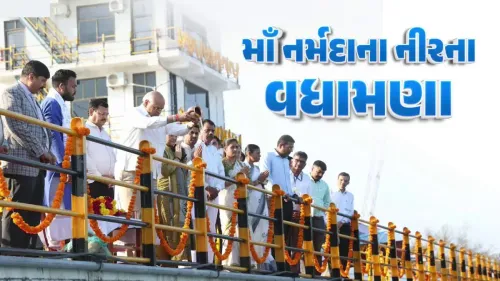
CM Bhupendra Patel orders Narmada canal water release from June 11
Synopsis
Chief Minister Bhupendra Patel has ordered an early release of irrigation water from Narmada Project canals starting 11 June 2026, following a high-level meeting with senior officials. The decision prioritises the water needs of Gujarat farmers ahead of the kharif sowing season and the onset of the southwest monsoon.
Key Takeaways
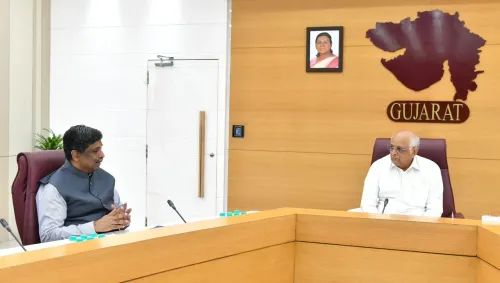
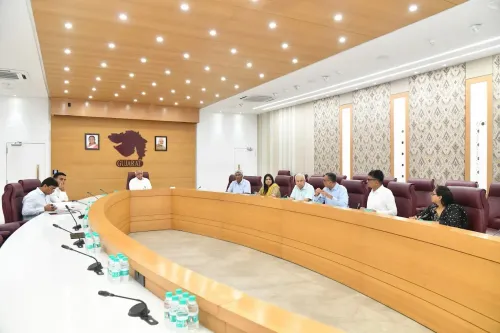
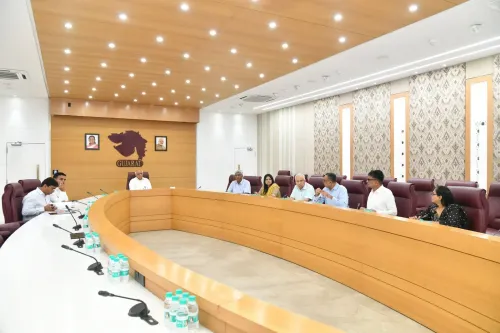
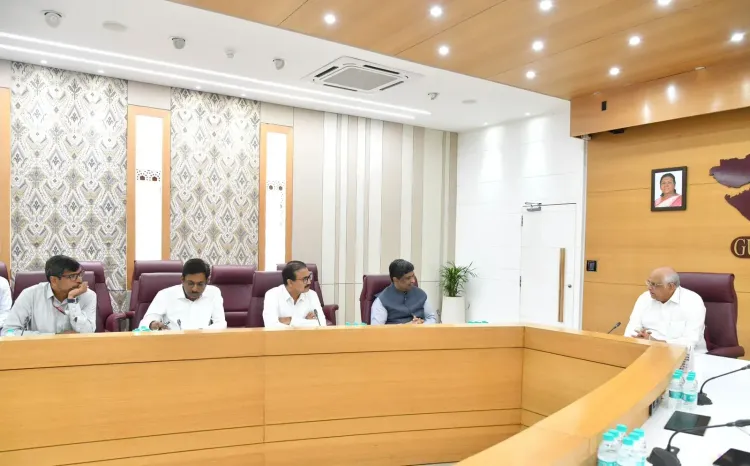
CM Bhupendra Patel chaired a high-level meeting with senior Narmada Project officials on 9 June 2026 .
Irrigation water will be released from Narmada canals starting Thursday, 11 June 2026 , ahead of the originally planned schedule.
The decision was taken in the 'broad interest of farmers' to meet irrigation requirements for standing crops.
The Narmada Project canal network serves drought-prone regions including North Gujarat , Saurashtra , and Kutch .
Gujarat's Narmada water allocation is governed by the Narmada Water Disputes Tribunal award of 1979 and subsequent Supreme Court orders .
The Chief Minister's Office of Gujarat announced on Tuesday, 9 June 2026 that Chief Minister Bhupendra Patel has decided to release irrigation water from Narmada Project canals starting Thursday, 11 June 2026 — ahead of the originally scheduled date — following a high-level meeting with senior Narmada Project officials.
The post, shared in Gujarati, states that CM Patel took the decision 'ખેડૂતોના વિશાળ હિતમાં' ('in the broad interest of farmers') after considering the irrigation water requirements for standing crops. The early release was described as a significant step taken after deliberations with senior officials of the Narmada scheme.
Context
Gujarat draws irrigation water for its farmers through the extensive canal network fed by the Sardar Sarovar Dam on the Narmada river. The reservoir's water levels at this time of year — just before the southwest monsoon — are critical for determining how much water can be released into the canal system for kharif crop irrigation.
The decision to advance the release date reflects the state government's effort to ensure that farmers in the canal command area have adequate water for sowing and early crop growth before the monsoon arrives.
Policy Backdrop
Pre-monsoon water releases from Narmada canals have been a recurring administrative practice since the main canal systems became operational in the early 2000s. Gujarat's share of Narmada waters is governed by the Narmada Water Disputes Tribunal award of 1979, with subsequent Supreme Court orders in 2000 and 2017 enabling full-height reservoir operation and fixing state-wise allocations.
Successive Gujarat governments have treated the Narmada Project canal network as the primary instrument for stabilising agricultural water supply, particularly in drought-prone regions such as North Gujarat, Saurashtra, and Kutch, where dependence on surface irrigation is highest.
Stakeholders and Impact
The beneficiaries of this decision are farmers across the Narmada canal command area in Gujarat, who rely on canal releases to irrigate kharif crops such as cotton, groundnut, and pulses in the weeks leading up to the monsoon. An early release provides a buffer for farmers who may have already begun sowing in anticipation of seasonal rainfall.
District agriculture offices in the command area are expected to coordinate with irrigation authorities to ensure equitable distribution of water through the canal network once the release begins on 11 June.
What's Next
Attention will now turn to the actual discharge volumes released from 11 June onward and whether any adjustments are announced after the first significant monsoon spell reaches Gujarat. The state government is likely to monitor reservoir levels at Sardar Sarovar closely and calibrate further releases based on rainfall patterns.
Feedback from district agriculture offices on sowing coverage and water utilisation across the command area will be an early indicator of whether the advance release achieves its intended impact for Gujarat's farming community.
Point of View
The Chief Minister's Office is also signalling administrative responsiveness to farmer concerns at the start of the agricultural season. The move carries political salience in a state where agrarian distress and irrigation access remain live electoral issues. Whether the early release translates into measurable gains in sowing coverage will determine how the decision is received beyond the announcement.
NationPress
23 Oct 2026
Frequently Asked Questions
When will Narmada canal water be released for irrigation in Gujarat in 2026?
Chief Minister Bhupendra Patel has ordered the release of irrigation water from Narmada Project canals starting Thursday, 11 June 2026 , ahead of the originally scheduled date.
Why did Gujarat CM advance the Narmada canal water release?
The decision was taken after a high-level meeting with senior Narmada Project officials, with the stated reason being the irrigation water requirements of farmers for their standing crops and the broad interest of Gujarat's farming community.
Which regions of Gujarat benefit from Narmada canal water?
The Narmada canal network primarily serves farmers in North Gujarat , Saurashtra , and Kutch — regions that are drought-prone and heavily dependent on surface irrigation from the Sardar Sarovar Dam .
What is the Narmada Water Disputes Tribunal and how does it affect Gujarat?
The Narmada Water Disputes Tribunal , constituted in 1969 and issuing its award in 1979 , fixed the share of Narmada river waters allocated to Gujarat and other basin states. Subsequent Supreme Court orders in 2000 and 2017 enabled full-height dam operation, securing Gujarat's irrigation supply.
Who is Bhupendra Patel?
Bhupendra Patel is the Chief Minister of Gujarat , a position he has held since September 2021 . He is responsible for state-level decisions on major infrastructure and irrigation projects including the Narmada scheme.