CM Pema Khandu at NITI Aayog release of Arunachal trilogy
Synopsis
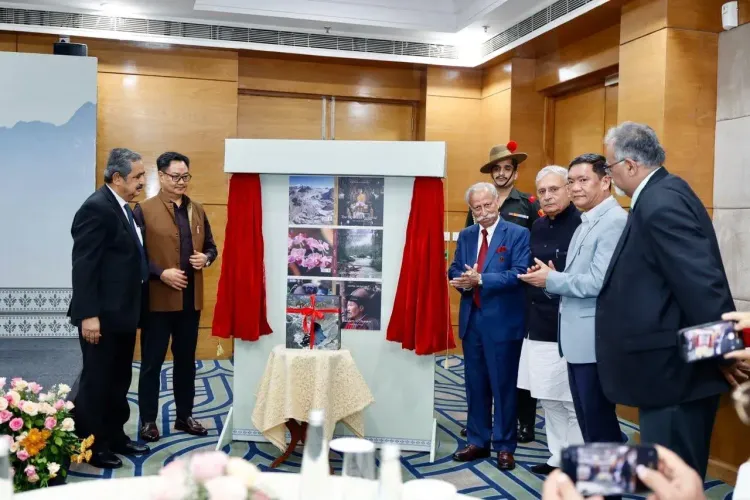
Arunachal Pradesh CM Pema Khandu attended the NITI Aayog-organised New Delhi launch of Shiv Kunal Verma's three-volume trilogy on Arunachal's culture, history, and biodiversity, alongside Governor Parnaik and Union Ministers Rijiju and Rao Inderjit Singh.
Key Takeaways
Shiv Kunal Verma's three-volume series — 'The Sap Runs Perennial,' 'The Wild Green Earth,' and 'Ladders to Heaven' — was launched in New Delhi on October 9, 2026 .
The release was organised by NITI Aayog , with Vice Chairman Dr Ashok Kumar Lahiri taking the initiative.
Governor Lt Gen KT Parnaik and Union Ministers Kiren Rijiju and Rao Inderjit Singh attended alongside CM Pema Khandu .
The trilogy covers Arunachal's tribal cultures, history, valleys, mountains, traditions, and biodiversity.
CM Khandu called the work 'a celebration of the unique identity, heritage and timeless beauty' of Arunachal Pradesh and expressed hope it reaches readers across the globe.
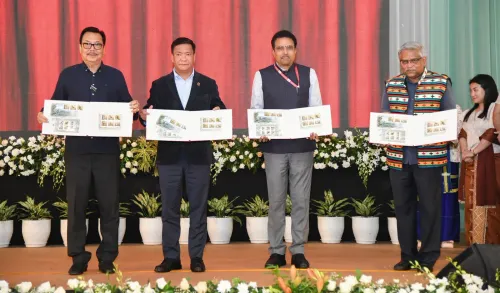
A three-volume literary tribute to one of India's most storied frontier states found a fitting stage in New Delhi on Friday, October 9, 2026, when Arunachal Pradesh Chief Minister Pema Khandu joined Union Ministers, the state's Governor, and NITI Aayog's Vice Chairman to launch Shiv Kunal Verma's ambitious trilogy — 'Arunachal: The Sap Runs Perennial, The Wild Green Earth & Ladders to Heaven' — a work Khandu called 'not merely a collection of books, but a celebration of the unique identity, heritage and timeless beauty of our beloved Arunachal Pradesh.'
Three volumes, one vast canvas
The release was organised by NITI Aayog under the initiative of its Vice Chairman, Dr Ashok Kumar Lahiri, bringing together a rare convergence of political and cultural luminaries. Alongside Chief Minister Khandu, the dais included Arunachal Pradesh Governor Lt Gen KT Parnaik and Union Ministers Kiren Rijiju and Rao Inderjit Singh. The gathering underlined that this was not a routine book launch — it was an institutional endorsement of Arunachal's place in India's national imagination.
Author Shiv Kunal Verma received direct praise from the Chief Minister for what Khandu described as 'painstaking efforts' in crafting the trilogy. The three volumes together span the state's vibrant tribal cultures, rich history, breathtaking valleys, majestic mountains, age-old traditions, and extraordinary biodiversity — an undertaking in scope and ambition that few single works on northeastern India have attempted.
Why NITI Aayog's role matters here
NITI Aayog's decision to host and organise the release carries signal value beyond ceremony. The policy body's active involvement in promoting Arunachal's cultural heritage — a state that sits at India's sensitive northeastern frontier — reflects a broader governmental interest in asserting the region's identity, history, and belonging through soft power as much as through infrastructure and diplomacy.
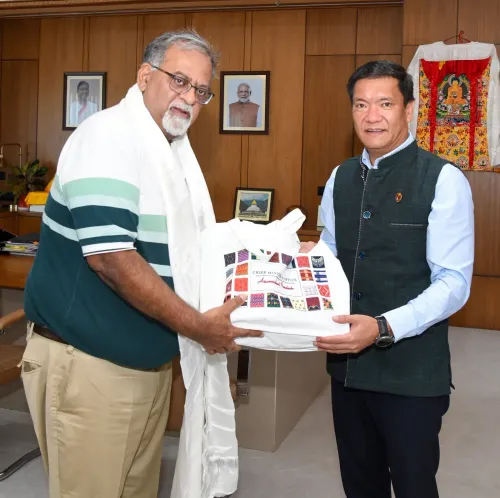
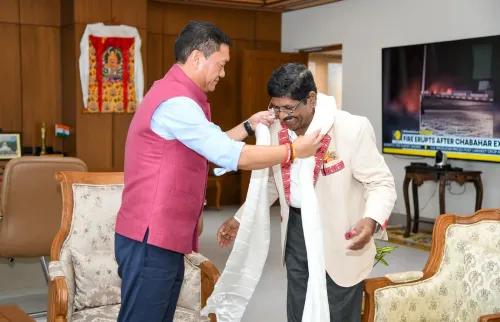
CM Khandu's expression of 'sincere gratitude' to Dr Lahiri for 'his continued interest in promoting the rich heritage and unique identity of Arunachal Pradesh' suggests an ongoing institutional relationship, not a one-off event. For a state whose identity has long been the subject of external contestation, a high-profile national-capital launch is itself a statement.
A hope that the mountains speak to the world
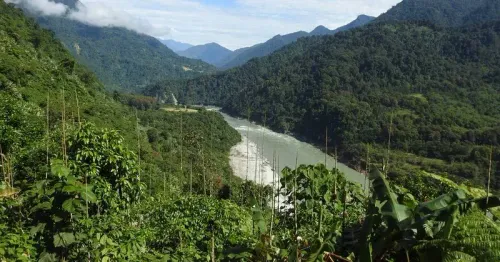
Khandu's closing wish was pointed and aspirational: that 'stories of our land, our people and our rich heritage travel far beyond our mountains and resonate with the world.' The phrasing is deliberate — Arunachal's mountains are not just geography. They are the boundary between claimed and contested, between known and unknown. A trilogy that puts the state's culture, people, and landscape into the hands of global readers does quiet but durable work.
With ministers from two different portfolios present alongside the Governor and the Chief Minister himself, the launch sent a unified message: Arunachal Pradesh's story is one India wants the world to read.
The trilogy is now set for wider circulation — and if its champions have their way, it will find readers as far from the Eastern Himalayas as the shelves that hold them.
Point of View
Publicly championing a work that puts Arunachal's heritage before a global audience also serves a political purpose — embedding the state's distinct identity in the public imagination ahead of any future diplomatic or demographic conversations about the region.
NationPress
9 Oct 2026
Frequently Asked Questions
What is the Arunachal trilogy by Shiv Kunal Verma?
It is a three-volume series titled 'Arunachal: The Sap Runs Perennial, The Wild Green Earth & Ladders to Heaven,' authored by Shiv Kunal Verma, covering the state's tribal cultures, history, biodiversity, valleys, and traditions.
Who attended the Arunachal trilogy book launch in New Delhi?
Arunachal Pradesh Chief Minister Pema Khandu, Governor Lt Gen KT Parnaik, Union Ministers Kiren Rijiju and Rao Inderjit Singh, and NITI Aayog Vice Chairman Dr Ashok Kumar Lahiri were present at the launch on October 9, 2026.
Why did NITI Aayog organise the Arunachal book launch?
NITI Aayog Vice Chairman Dr Ashok Kumar Lahiri took the initiative to organise the release event, reflecting the body's continued interest in promoting Arunachal Pradesh's rich heritage and unique identity, as acknowledged by CM Pema Khandu.
What did Pema Khandu say about the Shiv Kunal Verma trilogy?
CM Khandu called the work 'not merely a collection of books, but a celebration of the unique identity, heritage and timeless beauty' of Arunachal Pradesh, and expressed hope it would inspire global readers to appreciate the state and its people.
Where was the Arunachal Pradesh book launch event held?
The launch was held in New Delhi and was organised by NITI Aayog on October 9, 2026.