CM Pema Khandu Clarifies: Siang PFR Is a Study, Not a Dam Decision

Synopsis
At a public dialogue in Pasighat on October 6, Arunachal Pradesh CM Pema Khandu clarified that a Preliminary Feasibility Report on the Siang River is a study, not a dam-construction decision, urging communities to let facts precede judgment.
Key Takeaways
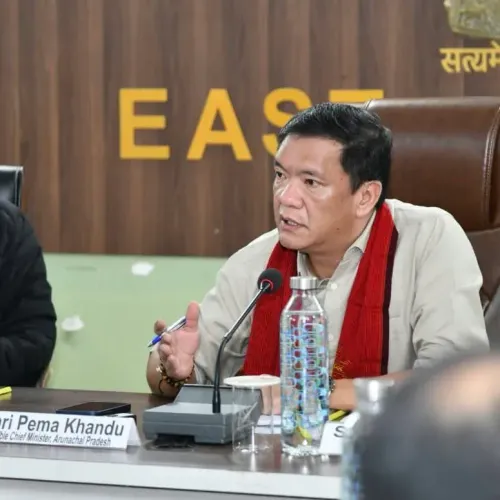
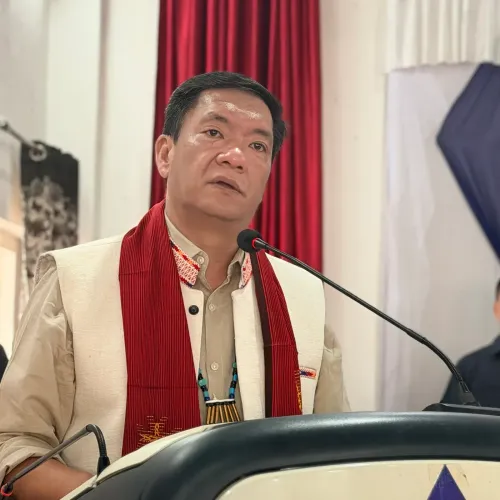
CM Pema Khandu addressed a 'Dialogue on the Siang' event in Pasighat, East Siang district on October 6, 2026 .
He explicitly stated: 'We are not talking about dams at this stage' — distancing the current process from any construction commitment.
A Preliminary Feasibility Report (PFR) is the earliest technical assessment step, covering terrain and hydrology before any formal approval process.
The dialogue format — held in Pasighat rather than the state capital — signals the government's intent to engage Siang valley communities directly.
Khandu's 'facts first, decisions later' framing positions the PFR as a data-gathering exercise, not a policy outcome.
Before any dam can be built, someone has to ask the right questions. At a public dialogue in Pasighat on Tuesday, October 6, 2026, Arunachal Pradesh Chief Minister Pema Khandu drew a sharp line between a preliminary feasibility report and a construction decision — telling residents of the Siang valley that the two must not be conflated.
What a PFR actually means on the Siang
'We are not talking about dams at this stage,' CM Khandu said plainly. 'A PFR is only a preliminary study. Let the preliminary facts come first. Decisions can come later.' The statement was made at an event billed as a 'Dialogue on the Siang' — a public engagement format that signals the issue carries enough community sensitivity to warrant direct official conversation rather than a press release.
A Preliminary Feasibility Report (PFR) is the earliest technical step in evaluating any large infrastructure project. It surveys terrain, hydrology, and broad engineering viability — well before environmental impact assessments, public hearings, or investment approvals enter the picture. Treating a PFR as a green light for construction, or a red flag that construction is imminent, misreads what the document actually is.
Why Pasighat, and why now
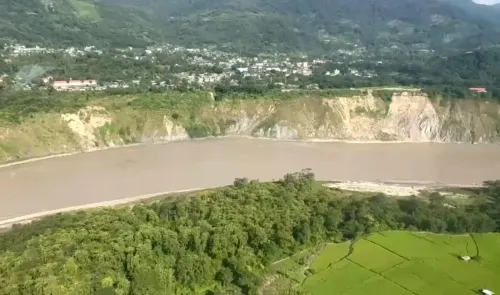
Pasighat, the headquarters of East Siang district, sits where the Siang River — the Tibetan Tsangpo's Indian stretch — enters the Assam plains. Communities downstream have historically raised concerns about large hydropower projects on the river, citing risks to livelihoods, ecology, and the river's cultural significance to the Adi people of the region.
By holding a dialogue here rather than issuing a statement from Itanagar, Khandu is choosing terrain — literally and politically. The choice signals that the state government intends to keep local stakeholders inside the information loop before technical processes advance further.
Sequencing as strategy
The Chief Minister's framing — 'facts first, decisions later' — is a deliberate sequencing argument. It pushes back against both premature opposition (protests against a dam that has not been sanctioned) and premature celebration (claims that a PFR means a dam is coming). It buys the administration room to gather data without the political temperature rising around outcomes that remain, formally, undecided.
Whether that patience holds depends on how the communities of the Siang valley receive what the preliminary study eventually finds. The dialogue in Pasighat is, at minimum, an opening bid on trust — and the Siang will keep flowing regardless of what any report concludes.
Point of View
CM Khandu is employing a classic technocratic shield — using procedural sequencing to lower political temperature before data arrives. This fits a broader pattern in Northeast India where large hydropower proposals have repeatedly collided with intense community resistance, forcing governments to manage perception as carefully as engineering. The move buys goodwill and deniability simultaneously: if the PFR yields unfavourable findings, no commitment was made; if it proceeds, the government can point to early consultation. The real test will come when the report's findings become public and communities must decide whether 'facts first' was genuine transparency or managed delay.
NationPress
6 Oct 2026
Frequently Asked Questions
What is a Preliminary Feasibility Report (PFR) for a river project?
A Preliminary Feasibility Report is the earliest technical assessment of a proposed infrastructure project, examining terrain, hydrology, and basic engineering viability. It does not sanction construction and precedes environmental impact assessments, public hearings, and investment approvals.
Is a dam being built on the Siang River in Arunachal Pradesh?
No dam has been sanctioned. CM Pema Khandu stated on October 6, 2026 that only a preliminary study is underway and that 'we are not talking about dams at this stage.'
Where is Pasighat and why is it significant for the Siang River?
Pasighat is the headquarters of East Siang district in Arunachal Pradesh and sits at the point where the Siang River descends toward the Assam plains. It is a key community hub for the Adi people who have historically had concerns about large hydropower projects on the river.
Why did CM Pema Khandu hold a public dialogue in Pasighat?
Holding the dialogue in Pasighat rather than the state capital Itanagar signals the government's intent to engage Siang valley communities directly and keep them informed before technical processes advance further.
What does 'facts first, decisions later' mean in the context of the Siang PFR?
CM Khandu used the phrase to argue that the preliminary study must gather data before any policy decision on dam construction is made, pushing back against both premature opposition and premature claims that a dam project is already decided.