CM Pema Khandu flags Pasighat Smart City Market upgradation

Synopsis
Arunachal Pradesh CM Pema Khandu spotlighted the Pasighat Smart City Market upgradation on October 9, 2026, emphasising improved market infrastructure, parking, and public spaces to benefit traders, shoppers, and visitors in the state's key eastern trade hub.
Key Takeaways
CM Pema Khandu highlighted the upgradation of the Pasighat Smart City Market on October 9, 2026 .
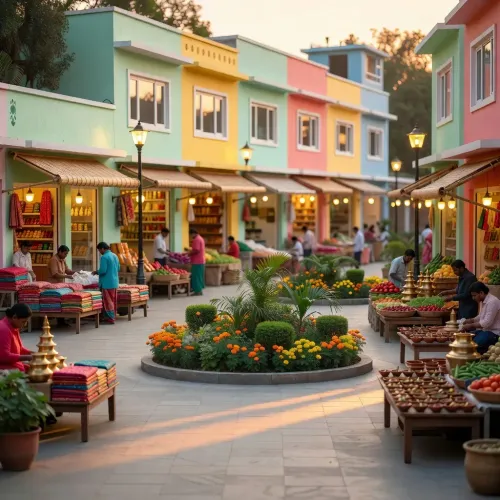
The project focuses on three areas: improved market infrastructure, better parking facilities, and enhanced public spaces.
The goal is to create a better experience for traders, shoppers, and visitors in Pasighat.
Pasighat , headquarters of East Siang district , is one of Arunachal Pradesh's most significant commercial towns.
The project reflects a broader push for quality-of-life urban infrastructure in a frontier state where connectivity has historically taken precedence.
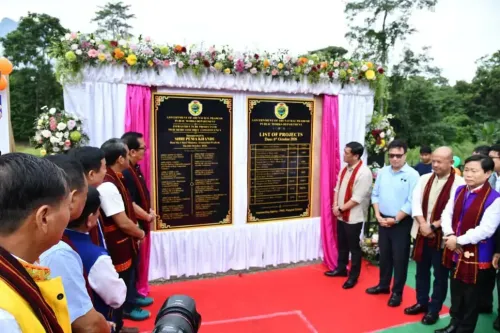
A busy market town in eastern Arunachal Pradesh is getting a structured facelift. Arunachal Pradesh Chief Minister Pema Khandu on Friday, October 9, 2026, highlighted the ongoing upgradation of the Pasighat Smart City Market, calling it a move toward a more organised, accessible, and modern urban space for the region.
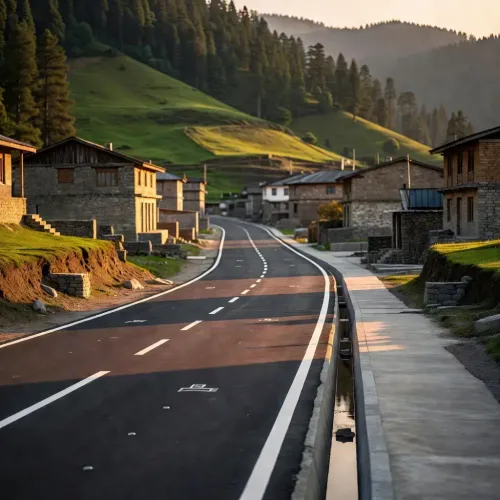
In his post, CM Khandu outlined three pillars of the project: improved market infrastructure, better parking facilities, and enhanced public spaces. The stated aim is to deliver a markedly better experience for traders, shoppers, and visitors — the full spectrum of people who animate any functioning market town.
Pasighat's place as Arunachal's urban anchor
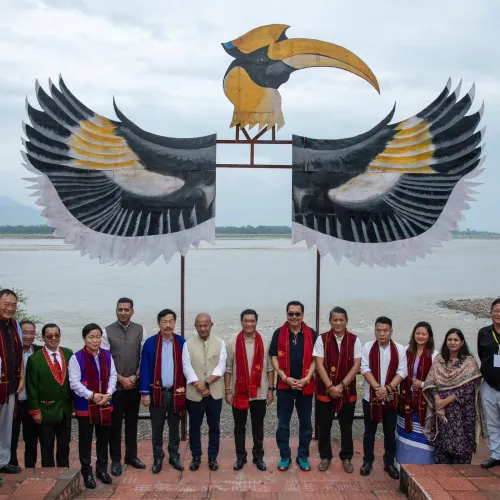
Pasighat, the headquarters of East Siang district, is one of the oldest and most commercially significant towns in Arunachal Pradesh. Sitting on the banks of the Siang river at the foothills of the Eastern Himalayas, it serves as a critical trade and transit hub for the surrounding districts. A modernised market directly strengthens the livelihoods of small traders and vendors who depend on foot traffic and organised retail space.
Smart City framing and urban infrastructure push
The project's 'Smart City' branding places it within the broader national push to upgrade urban infrastructure across India's smaller and emerging cities. Improved parking and public spaces are foundational — they determine whether a market is merely functional or genuinely welcoming. For a frontier state like Arunachal Pradesh, where urban planning has historically lagged behind connectivity investment, a project of this nature signals a deliberate shift in priority toward quality-of-life infrastructure.
CM Khandu, a senior BJP leader who has led the state since 2016, has consistently positioned infrastructure development — roads, bridges, and now urban spaces — as a central plank of his administration's identity in one of India's most geographically challenging states.
A well-ordered market is not just an amenity — in a border state that doubles as a strategic zone, it is a statement of governance reach.
Point of View
Demonstrating effective local governance in towns like Pasighat carries strategic value beyond the economic. The 'Smart City' framing, however modest in scale, also signals an attempt to align Arunachal's urban development with nationally visible programme identities, which has political utility for a BJP-led government keen to show federal dividends reaching the northeast.
NationPress
9 Oct 2026
Frequently Asked Questions
What is the Pasighat Smart City Market project?
The Pasighat Smart City Market project is an upgradation initiative in Pasighat, Arunachal Pradesh, aimed at improving market infrastructure, parking facilities, and public spaces to create a more organised and accessible urban commercial hub.
Where is Pasighat located in Arunachal Pradesh?
Pasighat is the headquarters of East Siang district in eastern Arunachal Pradesh, situated on the banks of the Siang river at the base of the Eastern Himalayas. It is one of the oldest and most commercially active towns in the state.
What are the benefits of the Pasighat market upgradation?
The project aims to benefit traders, shoppers, and visitors by providing improved market infrastructure, better organised parking, and enhanced public spaces, making the market more functional and welcoming.
Is Pasighat part of India's Smart City Mission?
The project uses 'Smart City' branding in its title, aligning it with the broader national focus on upgrading urban infrastructure in emerging Indian cities, though specific programme details were not confirmed in the announcement.