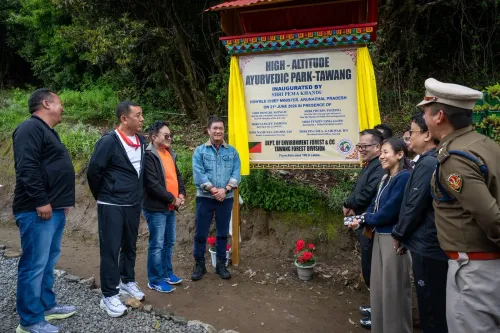
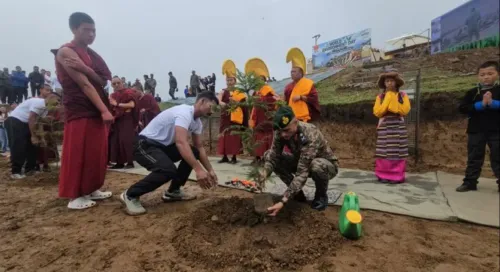
CM Pema Khandu Leads Rhododendron Plantation Drive in Tawang
Synopsis
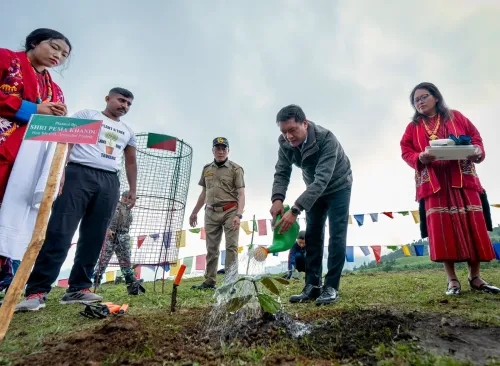
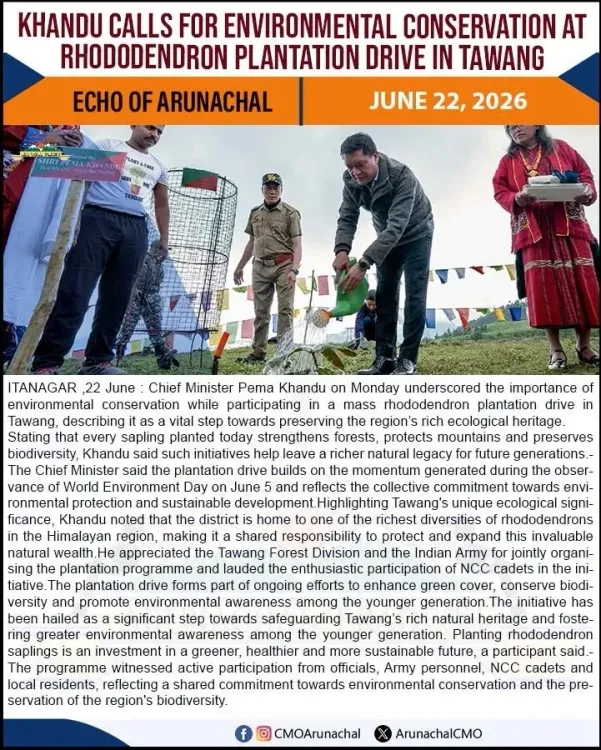
Chief Minister Pema Khandu led a Mass Rhododendron Plantation Drive in Tawang on 23 June 2026, reinforcing Arunachal Pradesh's commitment to forest protection and biodiversity conservation in the Eastern Himalayas biodiversity hotspot.
Key Takeaways
CM Pema Khandu personally participated in the Mass Rhododendron Plantation Drive in Tawang on 23 June 2026 .
Arunachal Pradesh retains forest cover exceeding 80 percent of its land area, one of India's highest.
Tawang district lies within the Eastern Himalayas global biodiversity hotspot , making plantation drives ecologically critical.
The drive aligns with India's Green India Mission under the National Action Plan on Climate Change (launched 2008 ).
Rhododendrons are climate-sensitive indicator species, and targeted plantation supports habitat resilience at high altitudes.
State forestry budget allocations and potential protected-area expansions will determine the long-term impact of this initiative.
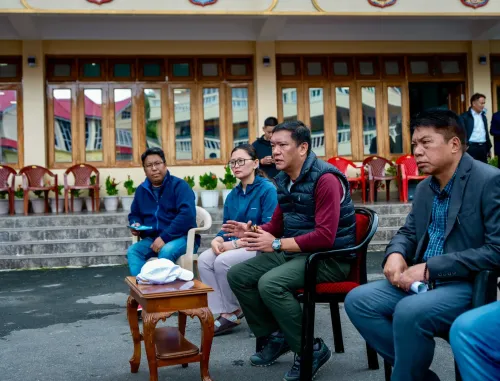
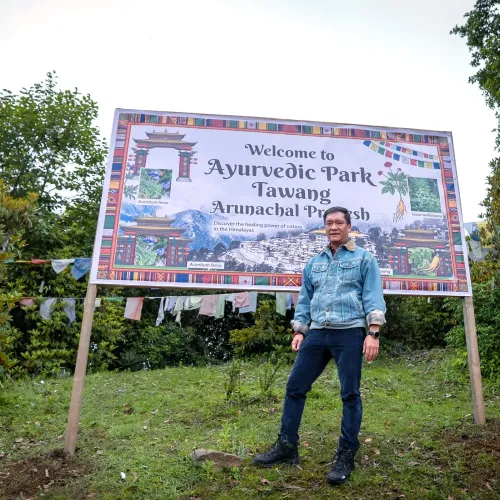
The Chief Minister's Office of Arunachal Pradesh announced on Tuesday, 23 June 2026 that Chief Minister Pema Khandu participated in a Mass Rhododendron Plantation Drive in Tawang, reaffirming the state government's commitment to protecting forests, conserving biodiversity, and preserving the region's ecological heritage.
Context
The plantation drive took place in Tawang district, a high-altitude Himalayan region bordering Bhutan and China, known for its unique alpine ecosystems and the iconic Tawang Monastery. Rhododendrons are among the most ecologically significant flowering species of the Eastern Himalayas, acting as indicator plants for forest health and supporting local biodiversity across elevation gradients. Chief Minister Khandu's direct participation signals the state administration's intent to visibly lead conservation efforts in one of its most ecologically and strategically sensitive districts.
Policy Backdrop
Arunachal Pradesh sits within the Eastern Himalayas global biodiversity hotspot and retains forest cover exceeding 80 percent of its total land area — among the highest proportions of any Indian state. The state's plantation activities align with India's Green India Mission, one of eight missions under the National Action Plan on Climate Change launched in 2008, which targets the expansion of forest cover and improvement of ecosystem services across ecologically sensitive states. Plantation drives in districts such as Tawang directly support national carbon sequestration goals and help buffer fragile Himalayan watersheds.
The Government of Arunachal Pradesh has sustained a pattern of forest conservation programming alongside infrastructure development in its border regions. Rhododendron-specific drives are particularly significant because the species is vulnerable to climate-induced habitat shifts at higher altitudes, making active plantation a proactive conservation measure.
Stakeholders and Impact
Local communities in Tawang stand to benefit directly from improved forest cover, which supports water retention, reduces soil erosion, and sustains livelihoods tied to non-timber forest produce. The Arunachal Pradesh Forest Department and biodiversity researchers are key operational partners in such drives, responsible for species selection, site preparation, and post-plantation monitoring. For indigenous communities in the district, rhododendrons also carry cultural significance, making conservation efforts resonate beyond purely ecological objectives.
The drive also carries a broader symbolic dimension: high-visibility participation by CM Khandu reinforces public messaging around ecological stewardship in a border state where development pressures and environmental sensitivities frequently intersect.
What's Next
Attention will now turn to the state budget allocations for forestry in the next fiscal cycle, which will indicate whether this drive is backed by sustained financial commitment or remains a one-off event. Any notifications expanding protected areas or declaring rhododendron conservation zones in Tawang and adjoining high-altitude districts would mark a significant policy step. Observers will also watch whether the Green India Mission framework is leveraged to channel central funding toward Arunachal Pradesh's plantation targets in the coming months.
Point of View
But translating high-profile events into durable policy — through protected-area notifications and forestry budget commitments — remains the real test. The rhododendron focus is notable: as a climate-vulnerable alpine species, it connects state-level action to global biodiversity and climate adaptation narratives, potentially strengthening the case for central and international conservation funding. This drive fits a broader northeastern India pattern where state governments increasingly use environmental stewardship as both a governance priority and a soft-power instrument along the China border.
NationPress
23 Jun 2026
Frequently Asked Questions
What is the Mass Rhododendron Plantation Drive in Tawang?
It is a government-led initiative in Tawang district, Arunachal Pradesh, focused on planting rhododendron species to protect forest cover, conserve biodiversity, and preserve the region's alpine ecological heritage. Chief Minister Pema Khandu participated in the drive on 23 June 2026.
Why is Tawang important for biodiversity conservation?
Tawang is located within the Eastern Himalayas global biodiversity hotspot and hosts unique alpine ecosystems. Its high-altitude forests support rare flora and fauna, and rhododendrons there serve as indicator species for overall forest health.
What is Pema Khandu's role in Arunachal Pradesh's environment policy?
Pema Khandu has served as Chief Minister of Arunachal Pradesh since 2016 and has championed forest conservation and biodiversity programs in the state, which maintains one of India's highest forest cover ratios at over 80 percent of its land area.
How does Arunachal Pradesh's plantation drive connect to national climate goals?
The drive aligns with India's Green India Mission under the National Action Plan on Climate Change, which targets expanded forest cover and improved ecosystem services, supporting national carbon sequestration commitments.
What should we watch after the Tawang rhododendron plantation drive?
Key indicators include state budget allocations for forestry in the next fiscal cycle and any government notifications expanding protected areas or designating rhododendron conservation zones in Tawang and surrounding high-altitude districts.