CM Pema Khandu Meets Tawang Bar Association Advocates
Synopsis
Arunachal Pradesh Chief Minister Pema Khandu met young advocates of the Tawang Bar Association on June 23, 2026, encouraging them to uphold justice with integrity and dedication in the strategically significant border district.
Key Takeaways
Pema Khandu , Chief Minister of Arunachal Pradesh , met members of the Tawang Bar Association on June 23, 2026 .
Khandu urged young advocates to uphold justice with 'integrity, courage, and dedication.' Tawang is a border district adjacent to the Line of Actual Control with China, giving routine governance outreach added strategic weight.
The meeting reflects a broader Northeast India pattern of state governments reinforcing institutional presence in remote districts through engagement with professional bodies.
Analysts will watch for follow-up policy measures such as legal aid cell funding or district court infrastructure allocations in Arunachal Pradesh's border districts.
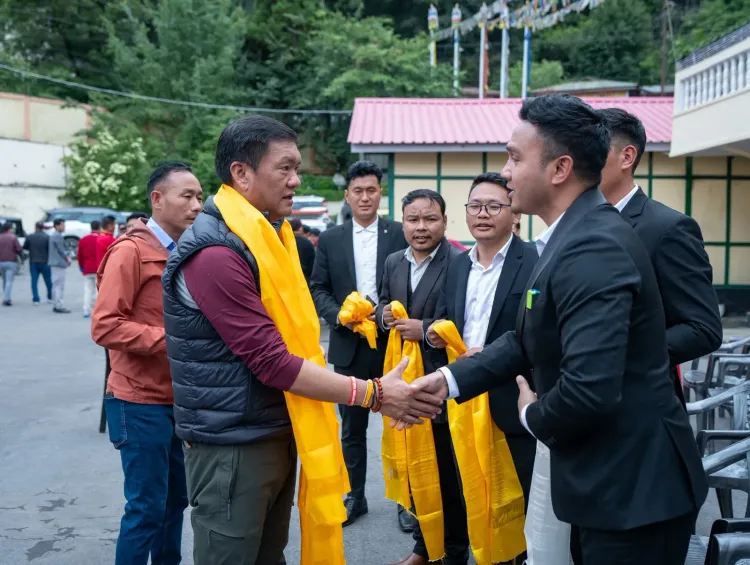
Arunachal Pradesh Chief Minister Pema Khandu on Tuesday, June 23, 2026, met with young advocates of the Tawang Bar Association, extending wishes for their success in upholding justice with integrity and dedication. The meeting, held in the border district of Tawang, signals the state government's continued outreach to professional institutions in one of India's most sensitive frontier regions.
Context
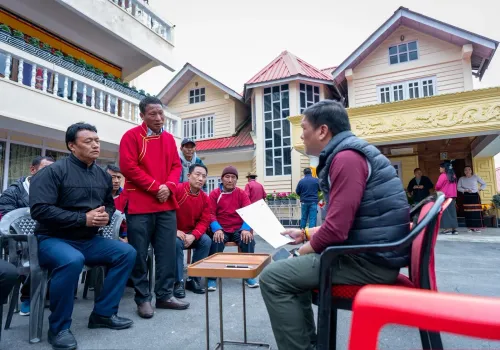
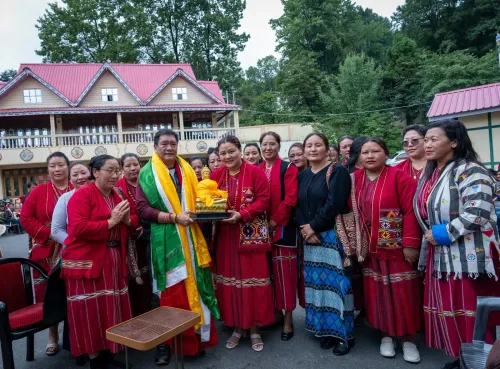
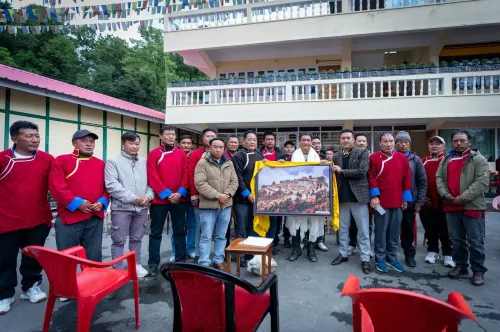
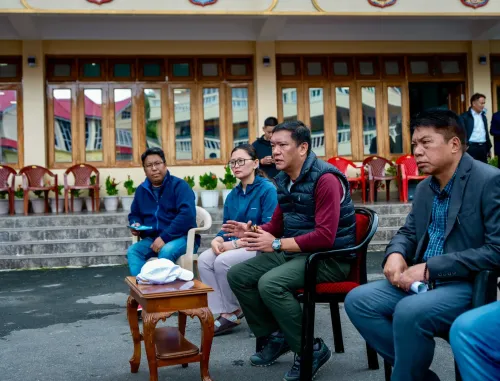
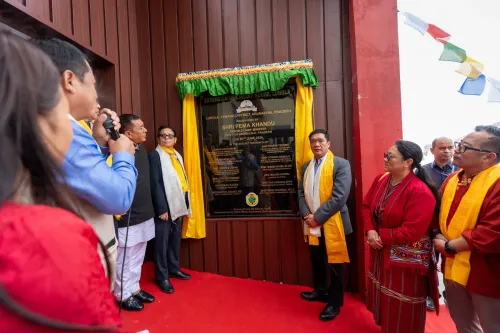
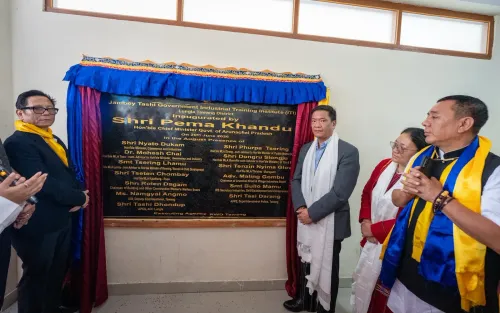
Khandu took to social media to share his impressions of the meeting, writing: 'Great to meet the young advocates of the Tawang Bar Association. Wishing each one of them great success as they uphold justice with integrity, courage, and dedication.' The post was accompanied by four photographs from the interaction, underscoring its ceremonial as well as substantive character.
Tawang is a district in the far northwest of Arunachal Pradesh, sharing a border with China along the Line of Actual Control (LAC). Its strategic location means that even routine governance engagements carry a broader institutional significance for the state administration.
Policy Backdrop
State governments in India's Northeast have long combined physical infrastructure development with efforts to strengthen district-level justice delivery mechanisms. In Arunachal Pradesh, successive administrations have worked to expand the reach of legal institutions into remote and border districts where access to formal justice has historically been limited.
The Tawang Bar Association represents advocates practising at the district level, serving a population that depends on the local bar for civil, criminal, and land-related matters. Engagement by the Chief Minister with such bodies reinforces the state's institutional presence in areas that are geographically distant from the capital, Itanagar.
Stakeholders and Impact
Young advocates in Tawang stand to benefit directly from high-level attention to the district's legal ecosystem. Chief ministerial visits and interactions can translate into policy follow-through — including allocations for legal aid cells, district court infrastructure, and bar council support programmes.
For the broader legal community in Arunachal Pradesh, the meeting is a signal that the state government views district bar associations not merely as professional bodies but as pillars of local governance. In border districts, lawyers often serve as the first point of contact for citizens navigating land disputes, customary law questions, and administrative grievances.
What's Next
Observers of Arunachal governance will watch whether this interaction translates into concrete budgetary or policy measures — such as enhanced funding for district court infrastructure or legal aid services in Tawang and other border districts. The state's annual budget cycle and notifications from the Department of Law and Justice will be the key indicators of follow-up action.
With Arunachal Pradesh remaining a focal point of India's border management strategy, strengthening civilian institutions — including the judiciary and the bar — in districts like Tawang is likely to remain a governance priority for the Khandu administration.
Point of View
The visibility of the state's chief executive alongside the local legal fraternity reinforces the message that formal institutions are active and present. This kind of engagement is often a precursor to budget-level interventions in legal aid and court infrastructure. For the BJP government in Itanagar, it also serves a political purpose: demonstrating administrative reach in a region that remains central to India's border diplomacy with China.
NationPress
23 Jun 2026
Frequently Asked Questions
Why did Pema Khandu visit the Tawang Bar Association?
Chief Minister Pema Khandu met young advocates of the Tawang Bar Association to encourage them in their professional journey and signal the state government's commitment to strengthening justice delivery in the border district.
Where is Tawang located and why is it significant?
Tawang is a district in the far northwest of Arunachal Pradesh, bordering China along the Line of Actual Control. Its strategic location makes governance and institutional outreach there particularly significant for India's border management.
What is the Tawang Bar Association?
The Tawang Bar Association is a district-level body of advocates practising in Tawang, Arunachal Pradesh, serving local citizens in civil, criminal, land, and customary law matters.
What could follow from CM Khandu's meeting with Tawang advocates?
Policy watchers will look for potential state budget allocations for legal aid cells, district court infrastructure upgrades, or bar council support programmes in Tawang and other border districts of Arunachal Pradesh.
How does Arunachal Pradesh approach justice delivery in remote districts?
Successive Arunachal Pradesh governments have worked to expand legal institutions into remote and border areas, pairing physical infrastructure development with incremental strengthening of district-level justice mechanisms.