CM Pema Khandu Thanks 2/9 Gorkha Rifles for Tawang Service
Synopsis
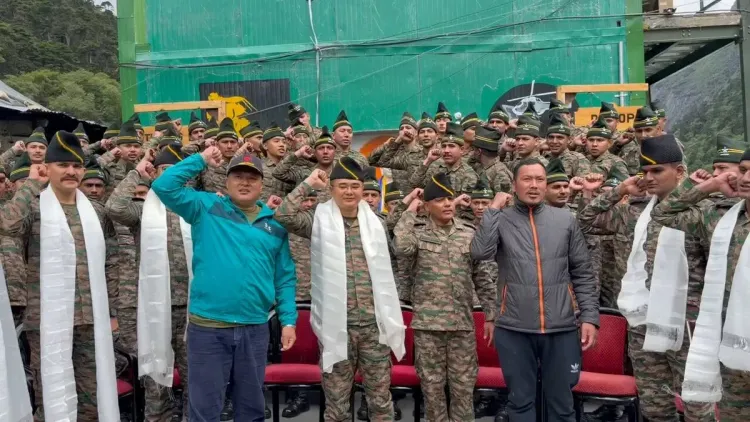
Arunachal Pradesh Chief Minister Pema Khandu on July 26, 2026, publicly thanked the 2/9 Gorkha Rifles for over 33 months of service in the Mago–Chuna sector of Tawang, highlighting the battalion's humanitarian, developmental, and civil-military contributions in a sensitive border region.
Key Takeaways
Chief Minister Pema Khandu publicly thanked the 2/9 Gorkha Rifles on July 26, 2026 , as the battalion completed its tenure in the Mago–Chuna sector of Tawang .
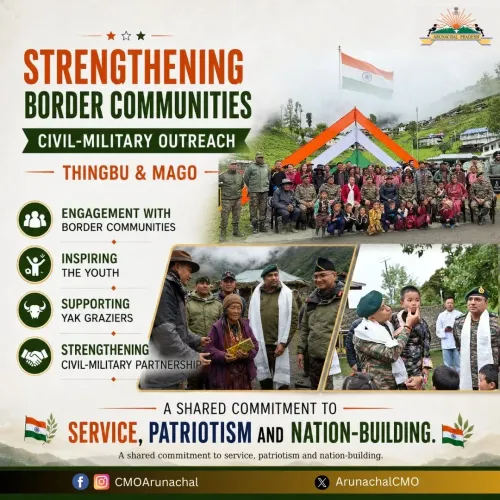
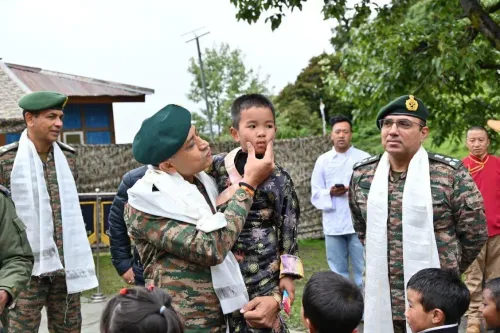
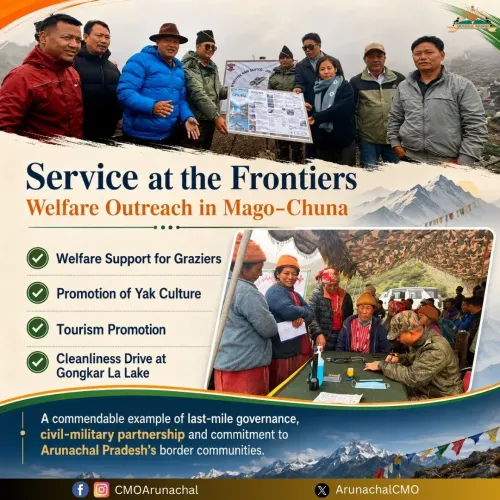
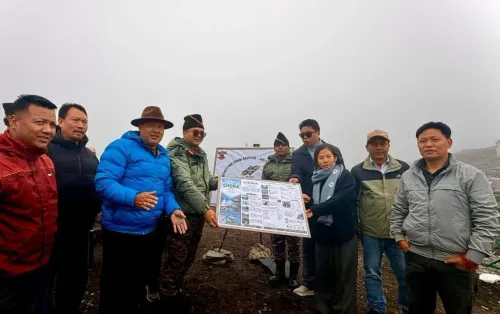
The battalion served in the sector for over 33 months , conducting humanitarian outreach, medical camps, community development, and environmental initiatives.
The unit also contributed to the promotion of border tourism and maintained strong civil-military cooperation with local communities.
Tawang is a strategically sensitive district bordering China and has hosted continuous Indian Army deployments since the 1962 war .
The tribute aligns with the Indian Army's long-running Operation Sadbhavana framework for civic engagement in frontier regions.
The 2/9 Gorkha Rifles has now moved on to its next assignment; the incoming unit is expected to continue existing community programmes.
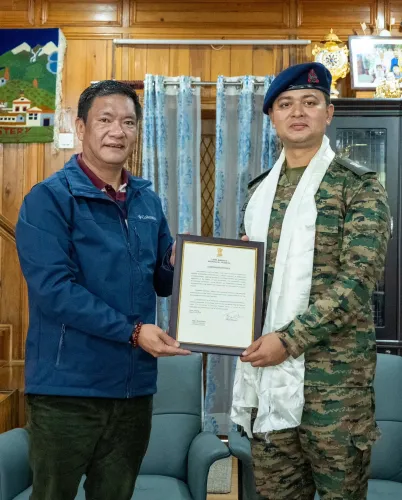
Arunachal Pradesh Chief Minister Pema Khandu on Sunday, July 26, 2026, extended his gratitude to the 2/9 Gorkha Rifles as the battalion concluded its tenure in the Mago–Chuna sector of Tawang and moved on to its next assignment. The Chief Minister praised the unit's service spanning over 33 months, citing contributions across humanitarian outreach, medical camps, community development, border tourism, environmental initiatives, and civil-military cooperation.
Context
In his post, Khandu wrote that the battalion 'stood as a symbol of courage and commitment, transforming lives through humanitarian outreach, medical camps, community development, promotion of border tourism, environmental initiatives, and strong civil-military cooperation.' He added that the unit's service 'has strengthened both our national security and the bond between the Army and the people of Arunachal Pradesh.' The message was addressed to every officer, Junior Commissioned Officer (JCO), and jawan of the battalion.
The Mago–Chuna sector is a forward area within Tawang district, one of India's most strategically sensitive border zones abutting China. The region was the site of major conflict during the 1962 Sino-Indian War and continues to host a significant Indian Army presence.
Policy Backdrop
The Indian Army has conducted civic action programmes in Arunachal Pradesh and other northeastern states under Operation Sadbhavana since the early 2000s, designed to build trust between security forces and local communities in frontier regions. Medical camps, infrastructure support, and educational initiatives form the core of this outreach model.
The Gorkha Rifles regiments have maintained continuous deployments along India's northeastern frontier since independence, playing a dual role in border defence and local development. Successive state and central governments have encouraged military units to integrate community engagement into their operational mandates as part of broader integrated border management strategies.
The promotion of border tourism in Tawang is also aligned with the central government's push to develop border villages and boost economic activity in frontier areas, a policy priority that has gained momentum in recent years amid heightened focus on the China border.
Stakeholders and Impact
The communities of Tawang district, particularly in the remote Mago–Chuna sector, are the primary beneficiaries of the battalion's civic outreach over the past 33 months. Medical camps and community development projects in such high-altitude, sparsely connected areas often represent the most accessible form of government and institutional support for residents.
For the Indian Army's Eastern Command, the rotation of units like the 2/9 Gorkha Rifles reflects the ongoing operational rhythm of frontier management. Civil-military cooperation in Arunachal Pradesh is considered a strategic asset, reinforcing local confidence in the security establishment at a time when border infrastructure and territorial claims remain active national concerns.
What's Next
The incoming unit in the Mago–Chuna sector will be expected to sustain and build upon the civil-military programmes established during the 2/9 Gorkha Rifles' tenure. Chief Minister Khandu has consistently championed the integration of defence and development in border areas, and future announcements from the state government or Eastern Command on expanded border tourism or community initiatives will be closely watched. The transition of battalions in frontier sectors like Tawang also comes at a time of continued diplomatic and military engagement between India and China along the Line of Actual Control.
Point of View
Environmental work, and community development alongside security duties, Khandu reinforces the state's positioning of the military as a development partner, not merely a defensive force. This framing carries political weight in a region where China's territorial claims remain a live issue and where public confidence in border institutions is a strategic asset. The post also reflects a broader pattern of BJP-governed border states actively amplifying Army-community cooperation as both a governance signal and a soft-power tool in frontier districts.
NationPress
26 Jul 2026
Frequently Asked Questions
Why did CM Pema Khandu thank the 2/9 Gorkha Rifles?
Chief Minister Pema Khandu thanked the 2/9 Gorkha Rifles on July 26, 2026, as the battalion concluded over 33 months of service in the Mago–Chuna sector of Tawang, praising their contributions to security, community development, medical outreach, and border tourism.
Where is the Mago–Chuna sector located?
The Mago–Chuna sector is a forward area within Tawang district in Arunachal Pradesh, situated along India's border with China and considered one of the country's most strategically sensitive frontier zones.
What is the 2/9 Gorkha Rifles?
The 2/9 Gorkha Rifles is a battalion of the Indian Army's Gorkha Rifles regiment, which has maintained deployments along India's northeastern frontier since independence and is known for both combat readiness and civic outreach in border areas.
What is Operation Sadbhavana?
Operation Sadbhavana is an Indian Army initiative launched in the early 2000s to build trust between security forces and local communities in frontier and conflict-affected regions through medical camps, infrastructure support, and educational programmes.
What is the significance of Tawang for India's security?
Tawang is a strategically critical district in Arunachal Pradesh bordering China, site of major conflict during the 1962 Sino-Indian War, and a focal point of ongoing territorial disputes and military deployments along the Line of Actual Control.