Bangladesh gas crisis: FSRU fire in Cox's Bazar leaves Dhaka in the dark

Synopsis
A single boiler fire on an LNG vessel off Cox's Bazar has plunged Bangladesh into an energy emergency — slashing gas supply by over 500 mmcfd against a demand gap that was already nearly 1,100 mmcfd. With factories switching to diesel and Dhaka households cooking on firewood, the crisis is now a direct threat to export competitiveness and everyday livelihoods, and there is no firm date for the FSRU's return.
Key Takeaways
A fire at the FSRU in Cox's Bazar on 21 July damaged one of its two boilers, halting operations and triggering Bangladesh's gas crisis.
Daily gas supply has fallen to below 2,150 mmcfd , against a national demand of nearly 3,800 mmcfd .
Gas-fired electricity generation has dropped by roughly 1,500 megawatts , raising power-cut concerns.
Residents across Dhaka neighbourhoods including Mirpur , Mohammadpur , and Rampura have been left without usable gas for days.
Industries including textiles , ceramics , and fertilisers are running below capacity; many factories have shifted to diesel , raising operating costs by around 20 per cent .
Petrobangla says repairs are ongoing but has given no firm restart date for the facility.
Bangladesh is grappling with a severe gas supply crisis after a fire at a floating storage and regasification unit (FSRU) in Cox's Bazar on 21 July crippled one of the facility's two boilers, triggering a supply collapse that local media reports say is unlikely to ease anytime soon. The incident has dragged daily gas supply down to below 2,150 million cubic feet per day (mmcfd) — sharply lower than the roughly 2,700 mmcfd averaged over the past year — against a national daily demand of nearly 3,800 mmcfd.
What the FSRU Fire Triggered
Tariqul Islam Khan, public relations officer of Bangladesh Oil, Gas and Mineral Corporation (Petrobangla), confirmed that repair work is under way on the damaged boiler but cautioned that restarting operations will take considerable time. The FSRU, which plays a critical role in regasifying imported liquefied natural gas before it enters the national pipeline network, has been forced to halt operations entirely pending repairs.
The immediate consequence has been a near-total loss of gas pressure across large parts of Dhaka. Residents in Mirpur, Badda, Kalabagan, Kafrul, Mohammadpur, Kazipara, West Tejturi Bazar, and Rampura reported that gas stoves remained unlit or functionally unusable for days on end.
How Households Are Coping
The burden has fallen hardest on low-income families, many of whom have resorted to constructing temporary clay stoves and cooking with firewood — a throwback that underscores just how acute the shortage has become. Those with greater financial means have turned to LPG cylinders or electric cookers, both significantly more expensive options that are pushing up household expenditure. Frustrated residents in areas including Mohammadpur have staged protests and vented anger on social media platforms over the prolonged disruption.
Meanwhile, Titas Gas Transmission and Distribution PLC has warned that low gas pressure in Dhaka and surrounding districts will persist until the broader supply situation stabilises.
Power Generation Under Strain
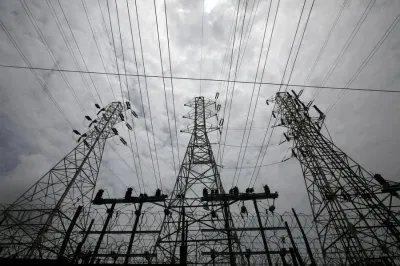
According to Petrobangla, gas-fired electricity generation has fallen by approximately 1,500 megawatts, raising fresh concerns about power outages across the country. Bangladesh already contends with periodic electricity shortfalls, and the additional loss of gas-powered generation risks compounding an already fragile grid situation.
Industrial Sector Faces Rising Costs
The crisis has spread well beyond domestic kitchens. Key industries — including textiles, spinning, ceramics, and fertilisers — that depend heavily on gas are reportedly operating below capacity or experiencing production delays due to weak pipeline pressure. The impact is particularly acute in dyeing operations, where irregular gas pressure can ruin entire fabric batches mid-production.
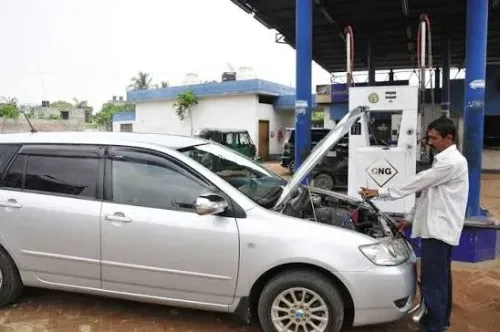
Many factories have switched to diesel to keep operations running, according to reports, pushing operating costs up by around 20 per cent. Analysts warn this threatens Bangladesh's export competitiveness at a time when its garment sector — the backbone of its economy — can ill afford higher input costs.
With no clear timeline for the FSRU's return to service, Bangladesh faces a protracted energy crunch whose full economic toll is still unfolding.
Point of View
The country was running a daily supply deficit of roughly 1,100 mmcfd — meaning the system had no meaningful buffer. A single equipment failure on one vessel has been enough to push households back to firewood and threaten the competitiveness of the garment sector, which accounts for the bulk of Bangladesh's export earnings. The deeper problem is structural: years of underinvestment in domestic gas exploration and over-reliance on a handful of LNG import terminals have left the country with almost no resilience when one node fails. Until that changes, events like this will keep recurring.
NationPress
26 Oct 2026
Frequently Asked Questions
What caused the gas crisis in Bangladesh?
The crisis was triggered by a fire at a floating storage and regasification unit (FSRU) in Cox's Bazar on 21 July, which damaged one of the facility's two boilers and forced it to shut down. This knocked out a significant portion of Bangladesh's LNG import capacity, pushing daily gas supply below 2,150 mmcfd against a national demand of nearly 3,800 mmcfd.
Which areas of Dhaka are most affected by the gas shortage?
Residents in Mirpur, Badda, Kalabagan, Kafrul, Mohammadpur, Kazipara, West Tejturi Bazar, and Rampura have reported near-zero gas pressure for days. Titas Gas Transmission and Distribution PLC has warned that low pressure will continue across Dhaka and nearby districts until the overall supply situation improves.
When will the gas supply in Bangladesh return to normal?
No firm timeline has been given. Petrobangla's public relations officer Tariqul Islam Khan confirmed that repairs to the damaged FSRU boiler are under way but said it will take more time before the facility can resume operations.
How is the gas crisis affecting Bangladesh's industries?
Textiles, spinning, ceramics, and fertiliser manufacturers are operating below capacity or facing production delays due to low pipeline pressure. Many factories have switched to diesel as an alternative fuel, reportedly raising operating costs by around 20 per cent and threatening Bangladesh's export competitiveness.
Has the gas shortage affected electricity supply in Bangladesh?
Yes. According to Petrobangla, gas-fired power generation has fallen by approximately 1,500 megawatts, raising concerns about power cuts. Bangladesh's electricity grid was already under periodic strain before the crisis, making the additional shortfall a significant concern.