Bangladesh gas crisis squeezes CNG stations, jobs at risk amid LNG shortfall
Synopsis
A single boiler fire at an LNG terminal in Cox's Bazar on 21 July has knocked more than half a billion cubic feet of daily gas supply out of Bangladesh's grid — and the human cost is now landing on CNG filling station workers, who face layoffs as owners absorb losses with no government relief in sight and cargo shortages expected through 20 August.
Key Takeaways
Bangladesh's daily gas supply has fallen from 2.65 billion cubic feet to 2.13–2.14 billion cubic feet after a fire at the Accelerate Energy FSRU in Cox's Bazar on 21 July .
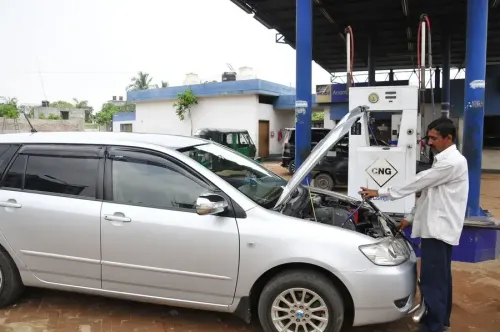
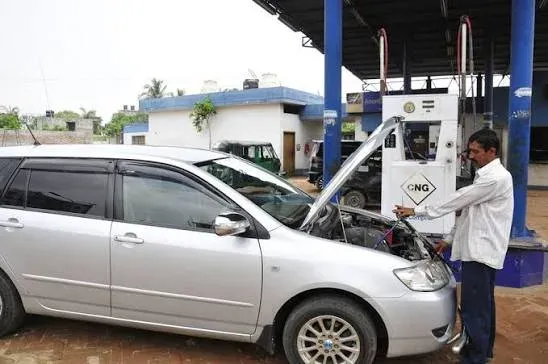
Sales at most CNG filling stations have dropped to less than half of normal levels, forcing owners to cover operating costs personally.
Of the government-fixed 18% profit margin , nearly 14% goes to electricity bills, leaving only 4% for salaries and other costs.
Station managers at Purbachal Filling Station and Best Eastern CNG have warned of imminent layoffs if the crisis continues.
The Accelerate Energy terminal has partially reopened, but LNG cargo shortages are expected to persist until at least 20 August .
Production disruptions have spread across nearly all industrial sectors in Bangladesh, with several industries reportedly near closure.
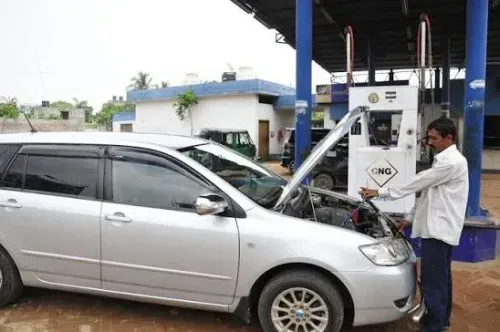
Bangladesh's deepening gas crisis is pushing CNG filling station owners to the financial edge, with low gas pressure slashing sales to less than half at most outlets across the country, local media reported on Thursday, 6 August. Owners are now dipping into personal funds to cover staff wages, electricity and water bills, rent, and other operating costs — with employee jobs increasingly at risk.
How Bad the Numbers Are
The financial strain is compounded by a razor-thin margin structure. Of the 18 per cent profit margin fixed by the government, nearly 14 per cent is consumed by electricity bills alone, leaving just 4 per cent to cover salaries and all other operational expenses. Under normal supply conditions, that margin is barely workable. Under the current shortage, it has become untenable.
Daily gas supply across Bangladesh has fallen from roughly 2.65 billion cubic feet to approximately 2.13–2.14 billion cubic feet following the crisis — a drop of over half a billion cubic feet per day.
What Station Managers Are Saying
Md. Shah Alam, manager of Purbachal Filling Station, described the bind directly: 'The staff's salaries and station expenses are paid from the income from gas sales. But gas is not being sold because the pressure is low. The staff have to be paid while they are sitting. If this crisis lasts long, there will be no choice but to lay off employees.'
Mahesh Roy, general manager of Best Eastern CNG filling station, echoed the concern: 'We have 27 staff at our station. Most of them are sitting now because they are not working. The big question now is how long the owner will keep them like this and pay their salaries. If sales decrease further, there will be no option but to lay off the employees.'
Root Cause: FSRU Fire at Cox's Bazar
The crisis traces back to a fire at a floating storage and regasification unit (FSRU) in Cox's Bazar on 21 July, which damaged one of its two boilers and forced the facility to shut down. The terminal belongs to US company Accelerate Energy and had been supplying more than 1.1 billion cubic feet of LNG daily to the national grid — a significant share of the country's total gas supply.
The Accelerate Energy FSRU has since partially reopened, with limited LNG supply resuming to the national grid on Wednesday evening. However, a shortage of LNG cargoes is expected to persist until at least 20 August, keeping full restoration out of reach for now, according to reports citing Bangladeshi daily Jugantor.
Wider Industrial Impact
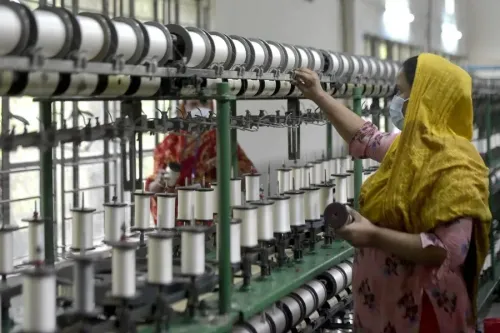
The gas shortfall has rippled well beyond CNG stations. Production disruptions have been reported across nearly all industrial sectors in Bangladesh, with several industries reportedly on the verge of closure. Employees at filling stations have voiced frustration that effective government intervention has yet to materialise. This comes amid a broader pattern of energy vulnerability in Bangladesh, where LNG imports have become central to meeting industrial and domestic demand — and where a single infrastructure failure can cascade rapidly across the economy.
With the LNG cargo gap unlikely to close before late August, the pressure on CNG operators — and the workers they employ — is expected to intensify before it eases.
Point of View
And the Cox's Bazar FSRU fire has made that vulnerability impossible to ignore. The fact that a single boiler failure can strip over 500 million cubic feet of daily supply — and push filling station workers toward unemployment within weeks — points to an infrastructure resilience gap that goes beyond the immediate crisis. The government's fixed 18% margin for CNG operators was already a pressure point before the shortage; it is now a flashpoint. What is missing from the official response is any indication of emergency cargo procurement or a timeline for restoring full supply — leaving both industry and labour to absorb costs that policy should be cushioning.
NationPress
20 Sept 2026
Frequently Asked Questions
What caused Bangladesh's current gas crisis?
The crisis was triggered by a fire at a floating storage and regasification unit (FSRU) operated by US company Accelerate Energy in Cox's Bazar on 21 July, which damaged one of its two boilers and forced the facility offline. This knocked out more than 1.1 billion cubic feet of daily LNG supply to the national grid.
How badly have CNG filling stations been affected?
Sales at most CNG filling stations across Bangladesh have fallen to less than half of normal levels due to low gas pressure. Owners are covering staff salaries, rent, electricity, and water bills from personal funds, as revenue from gas sales has become insufficient.
Are workers at CNG stations at risk of losing their jobs?
Yes. Station managers have warned that prolonged low sales will leave owners with no choice but to lay off staff. Mahesh Roy of Best Eastern CNG noted that 27 employees are currently sitting idle, and the sustainability of their employment depends on how long the crisis lasts.
Has the Accelerate Energy terminal reopened?
The terminal has partially reopened, with limited LNG supply resuming to the national grid on Wednesday evening. However, a shortage of LNG cargoes is expected to continue until at least 20 August, meaning full supply restoration remains weeks away.
Which other sectors in Bangladesh have been hit by the gas shortage?
The gas shortfall has disrupted production across nearly all industrial sectors in Bangladesh, with several industries reportedly on the verge of closure. The shortage has also drawn criticism from business owners and employees who say the government has yet to announce effective relief measures.