Bangladesh LNG terminal failure deepens energy crisis, supply crashes to 1,930 mmcfd
Synopsis
One failed LNG terminal has halved Bangladesh's gas supply overnight — and the country is already in its fourth week of energy crisis. With 80% of Narsingdi's textile mills shut, Taka 400–500 crore in daily industrial losses mounting, and rural areas enduring up to 12 hours of load shedding, the FSRU failure has turned a chronic shortage into an acute emergency.
Key Takeaways
One of Bangladesh's two FSRUs ran out of gas on Thursday evening, 14 August , cutting LNG grid supply to below 300 mmcfd from the usual 1,000 mmcfd .
Total national gas supply has fallen to 1,930 mmcfd against daily demand of 3,800 mmcfd — a near- 50% deficit.
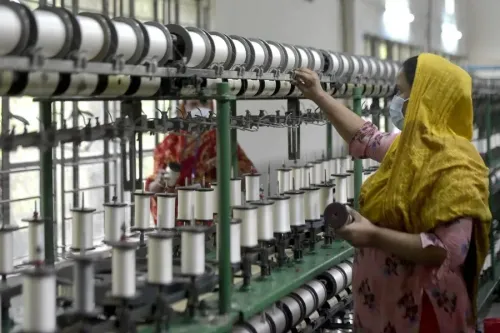
Nearly 80% of textile, dyeing, and printing mills in Narsingdi and Madhabdi have shut down, with estimated daily losses of Taka 400–500 crore .
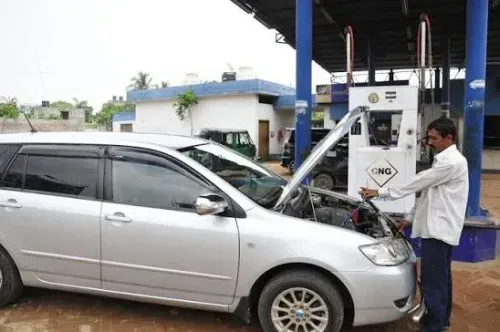
30 of 33 CNG filling stations in Narayanganj have halted operations; auto-rickshaw drivers blocked a highway in Jamalpur .
Rural areas are reportedly enduring up to 12 hours of load shedding per day; Dhaka began experiencing cuts from Thursday midnight .
The Awami League has accused the BNP government of 'fatal policy inertia,' while Energy Minister Iqbal Hassan Mahmud said there is 'no other option' to manage outages.
Bangladesh's worsening energy crisis entered its fourth consecutive week on 14 August after one of the country's two Floating Storage and Regasification Units (FSRUs) ran out of gas on Thursday evening, causing LNG supplies to the national grid to plunge below 300 mmcfd from the usual 1,000 mmcfd delivered by both terminals combined, according to Petrobangla officials. Total gas supply has consequently fallen to approximately 1,930 mmcfd against a daily national demand of 3,800 mmcfd — a deficit of nearly 50 per cent.
Scale of the Supply Collapse
The two FSRUs that anchor Bangladesh's imported gas supply were together expected to deliver around 1,000 mmcfd to the grid. With one terminal now offline, that contribution has dropped below 300 mmcfd, according to Petrobangla officials cited in local media. The cumulative shortfall has pushed the national gas supply-demand gap to its most acute level since the current crisis began.
The disruption has rippled across multiple sectors simultaneously — industrial production, transport, household cooking, and grid-based power generation have all been affected within days of the terminal failure.
Industrial Losses and Labour Unrest Fears
Nearly 80 per cent of textile, dyeing, and printing mills in Narsingdi and Madhabdi have shut down operations, with industry representatives estimating daily losses of Bangladeshi Taka 400–500 crore. Abdullah Al Mamun, spokesperson for the Bangladesh Textile Mills Association and Managing Director of Abed Textile Processing Mills, warned that factory owners would struggle to meet wage obligations, utility payments, and loan repayments — and that the situation could trigger labour unrest.
Rashedul Hasan Rintu, President of the Narsingdi Chamber of Commerce and Industry, was quoted by The Daily Star as saying: 'Our garment, textile, and dyeing industries are being pushed towards a standstill. Excessive load shedding is now adding fuel to the fire.'
Transport and Households Paralysed
In Narayanganj, 30 of 33 CNG filling stations have halted vehicle refuelling. CNG-run auto-rickshaw drivers blocked a highway in Jamalpur on Thursday, demanding restoration of regular gas supplies. In several districts, residents are reportedly struggling to cook due to near-zero gas pressure at the household level, according to The Daily Star.
Power Cuts Intensify Across Dhaka and Rural Areas
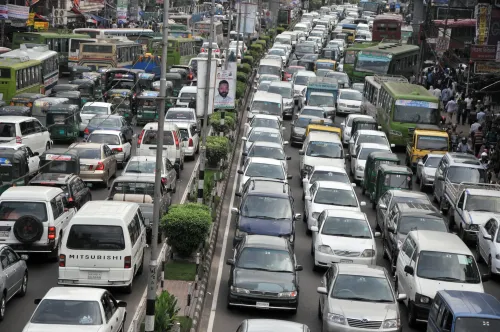
Load shedding was reported in parts of Dhaka from Thursday midnight, with officials from Dhaka Power Distribution Company and DESCO confirming that power generation came under mounting pressure as gas supplies tightened. Rural communities have reportedly been hit hardest, with some areas enduring up to 12 hours of load shedding per day.
Government Response and Political Fallout
Iqbal Hassan Mahmud, Bangladesh's Minister for Power, Energy and Mineral Resources, acknowledged the government's limited capacity on Thursday, stating there was 'no other option' to manage the load shedding. The Awami League accused the ruling BNP government of pushing the country into an unprecedented energy crisis, claiming it has continued what it described as the 'fatal policy inertia' of the previous interim administration led by Muhammad Yunus. The party alleged that daily power outages lasting between six and 12 hours have made life increasingly difficult for people across the country.
With no immediate fix in sight for the offline FSRU, analysts and industry bodies are watching whether emergency procurement or alternative supply arrangements can be activated before the industrial disruption translates into broader economic damage.
Point of View
And even a short shutdown carries reputational risk with global buyers who have alternative sourcing options in Vietnam and India.
NationPress
29 Sept 2026
Frequently Asked Questions
Why is Bangladesh facing an energy crisis?
Bangladesh is in its fourth consecutive week of an energy crisis driven by a structural mismatch between gas supply and demand. The situation worsened sharply after one of its two Floating Storage and Regasification Units (FSRUs) ran out of gas on Thursday evening, cutting LNG supply to the national grid to below 300 mmcfd from the usual 1,000 mmcfd, against a national daily demand of 3,800 mmcfd.
How much has gas supply fallen in Bangladesh?
Total gas supply has dropped to approximately 1,930 mmcfd, against a daily national demand of around 3,800 mmcfd — a deficit of nearly 50 per cent. The FSRU failure alone reduced LNG contributions from 1,000 mmcfd to below 300 mmcfd.
Which industries are most affected by the Bangladesh gas shortage?
The textile, dyeing, and printing sectors have been hit hardest. Nearly 80 per cent of mills in Narsingdi and Madhabdi have shut down, with industry representatives estimating daily losses of Bangladeshi Taka 400–500 crore. Factory owners have warned of difficulties paying wages, raising fears of labour unrest.
How bad is the load shedding in Bangladesh right now?
Load shedding has been reported in parts of Dhaka from Thursday midnight, with Dhaka Power Distribution Company and DESCO officials confirming mounting pressure on power generation. Rural areas are reportedly enduring up to 12 hours of power cuts per day.
What is the Bangladesh government doing about the energy crisis?
Energy Minister Iqbal Hassan Mahmud acknowledged the government's limited options on Thursday, saying there was 'no other option' to manage the load shedding. No emergency procurement or alternative supply arrangement has been publicly announced as of the latest reports.