Bangladesh LNG terminal fire cuts gas supply by 40%, hits industries

Synopsis
A control-panel fire at Bangladesh's Excelerate-operated LNG terminal has exposed the fragility of the country's entire energy supply chain. With Petrobangla now meeting just 56 per cent of national gas demand and textile factories cutting output by 40 per cent, this is not merely a technical outage — it is a stress test of a gas import model built on dangerously thin redundancy.
Key Takeaways
A fire at the Excelerate -operated FSRU at Moheshkhali has cut Bangladesh's daily gas supply from approximately 2,650 mmcf to below 2,150 mmcf .
Petrobangla can now meet only about 56 per cent of national gas demand, estimated at nearly 3,800 mmcf per day.
The affected terminal's output has dropped from 1,050 mmcf to below 500 mmcf daily — a loss of roughly 17 million cubic metres per day.
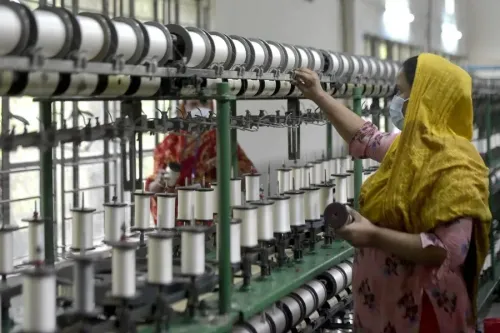
Textile and manufacturing factories have reportedly reduced production by up to 40 per cent due to gas shortages.
Titas Gas distribution network supply has fallen to 1,150 mmcf against demand of nearly 1,900 mmcf .
Energy experts say the crisis exposes Bangladesh's over-reliance on just two FSRUs at a single location for LNG imports.
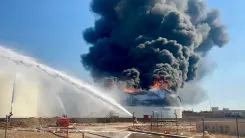
Bangladesh is facing a deepening energy crisis after a fire caused mechanical damage to one of its two floating storage and regasification units (FSRUs) at Moheshkhali, slashing national gas supply and triggering widespread disruption across industries, power plants, transport networks, and households. The incident, which originated from a spark in a control panel at the Excelerate-operated terminal, has knocked out roughly 17 million cubic metres of gas supply per day, according to state-owned Petrobangla.
Scale of the Outage
Before the failure, the affected terminal was supplying up to 1,050 million cubic feet (mmcf) of gas daily to the national grid. Post-incident, that figure has collapsed to below 500 mmcf, more than halving the terminal's contribution. As a result, Bangladesh's total daily gas supply has fallen from approximately 2,650 mmcf to below 2,150 mmcf — against an estimated national demand of nearly 3,800 mmcf. Petrobangla is now able to meet only about 56 per cent of national gas demand.
Distribution Network Under Strain
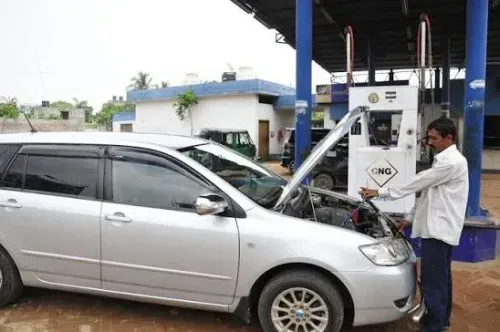
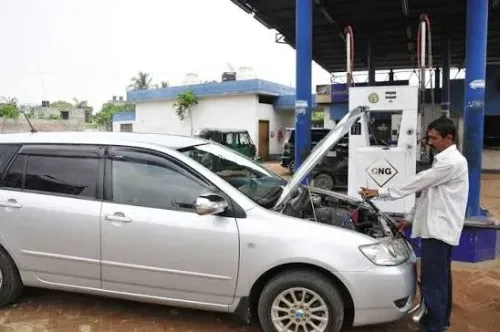
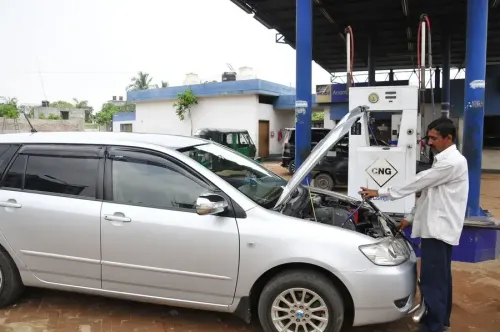
According to Titas Gas Transmission and Distribution PLC, supply across its distribution network has dropped to around 1,150 mmcf per day from nearly 1,500 mmcf, while demand in its service area remains close to 1,900 mmcf. The shortfall has hit industrial clusters, compressed natural gas (CNG) filling stations, and residential consumers across the country. The second FSRU at Moheshkhali, managed by Summit Group, continues to operate but cannot compensate for the lost volumes on its own.
Industries Bear the Brunt
The textile and manufacturing sectors — cornerstones of Bangladesh's export economy — have been among the hardest hit. Several factories have reportedly cut production by as much as 40 per cent due to inadequate gas availability. Power generation has also been affected, compounding load-shedding pressures that Bangladesh was already grappling with ahead of peak summer demand. CNG stations serving public transport have seen supply curtailed, disrupting commuter services in major urban centres.
Structural Vulnerabilities Exposed
Energy analysts warn that the crisis has laid bare deep structural weaknesses in Bangladesh's energy security architecture. The country has grown increasingly dependent on imported LNG as domestic natural gas reserves continue to deplete. Operating with just two FSRUs at a single location means any single-point technical failure cascades immediately into a national supply shock — precisely what has now unfolded. Experts argue that Bangladesh urgently needs to diversify its import infrastructure, including additional regasification capacity and pipeline redundancies, to prevent a repeat.
What Comes Next
Restoration timelines for the damaged Excelerate terminal have not been officially confirmed as of 30 July. Petrobangla and government authorities are reportedly assessing emergency procurement options, but sourcing spot LNG cargoes at short notice carries significant cost implications for an economy already under fiscal pressure. The coming weeks will test Bangladesh's ability to manage a supply gap that, by official figures, stands at nearly 44 per cent of national demand.
Point of View
Yet infrastructure diversification has lagged well behind import dependency. A 44 per cent demand gap is not a temporary inconvenience — it is a structural indictment. For an economy where garment exports underpin foreign exchange earnings, a sustained 40 per cent production cut in textiles carries macro-level risk that goes well beyond an energy ministry problem.
NationPress
14 Sept 2026
Frequently Asked Questions
What caused the gas shortage in Bangladesh?
A fire originating from a spark in a control panel caused mechanical damage to the Excelerate-operated floating storage and regasification unit (FSRU) at Moheshkhali, suspending a large portion of LNG supply to the national grid. The incident knocked out approximately 17 million cubic metres of gas supply per day, according to Petrobangla.
How severe is Bangladesh's current gas supply shortfall?
Bangladesh's total daily gas supply has fallen to below 2,150 mmcf from around 2,650 mmcf, against national demand of nearly 3,800 mmcf. Petrobangla is currently meeting only about 56 per cent of national gas demand, leaving a shortfall of roughly 44 per cent.
Which sectors have been most affected by the Bangladesh gas crisis?
The textile and manufacturing sectors have been hardest hit, with several factories reportedly cutting production by as much as 40 per cent. CNG filling stations, power generation facilities, and residential consumers across Bangladesh have also been significantly affected.
Why does Bangladesh rely so heavily on LNG imports?
Bangladesh's domestic natural gas reserves have been declining steadily, making the country increasingly dependent on imported liquefied natural gas to supplement domestic production. The two FSRUs at Moheshkhali play a critical role in bridging the gap between falling domestic output and rising national demand.
When will gas supply be restored to normal levels in Bangladesh?
As of 30 July, official restoration timelines for the damaged Excelerate terminal have not been confirmed. Petrobangla and government authorities are reportedly exploring emergency procurement options, though sourcing spot LNG cargoes at short notice is expected to carry significant additional costs.