CM Pema Khandu visits flood-hit Posa village, meets affected families
Synopsis
Arunachal Pradesh Chief Minister Pema Khandu and BJP state president Kaling Moyong conducted a ground-level inspection of flood-hit Posa village on 1 July 2026, meeting affected families and assessing damage as the monsoon season intensifies across the northeastern state.
Key Takeaways
CM Pema Khandu and BJP State President Kaling Moyong jointly visited flood-hit Posa village on 1 July 2026 .
The leaders met affected families and assessed flood damage firsthand.
Posa village is located in a flood-prone river basin in Arunachal Pradesh , a state regularly impacted by monsoon flooding from Brahmaputra tributaries.
Under the Disaster Management Act, 2005 , such senior-level on-site assessments are a prerequisite for formal damage documentation and relief activation.
The visit may precede a formal request for central funds from the State Disaster Response Fund and announcements of ex-gratia payments for affected families.
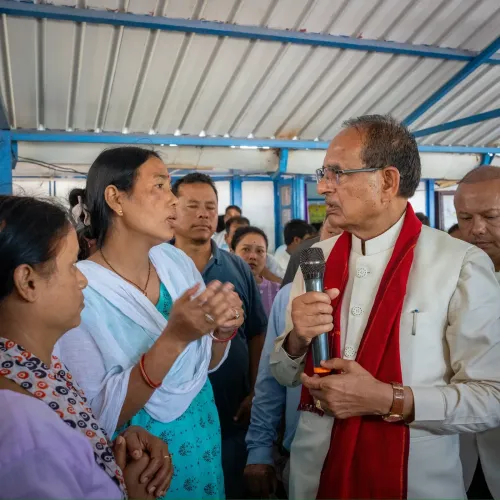
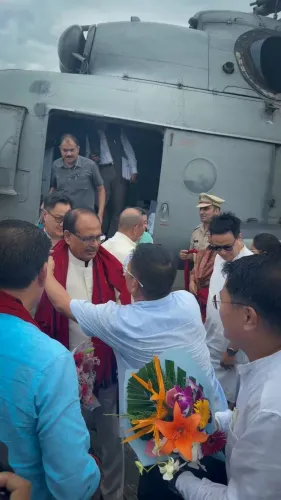
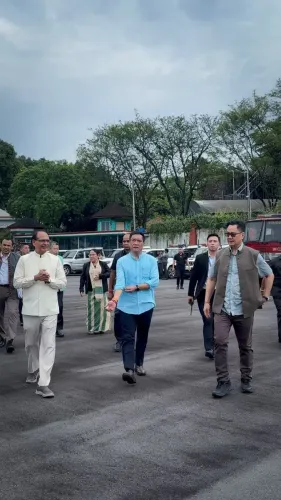
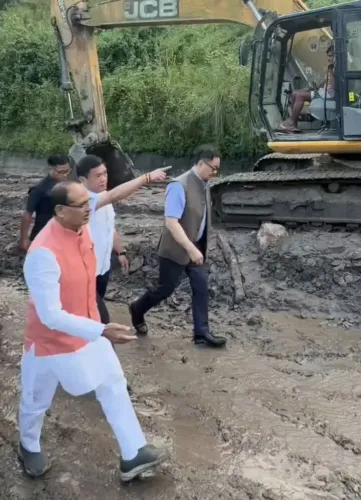
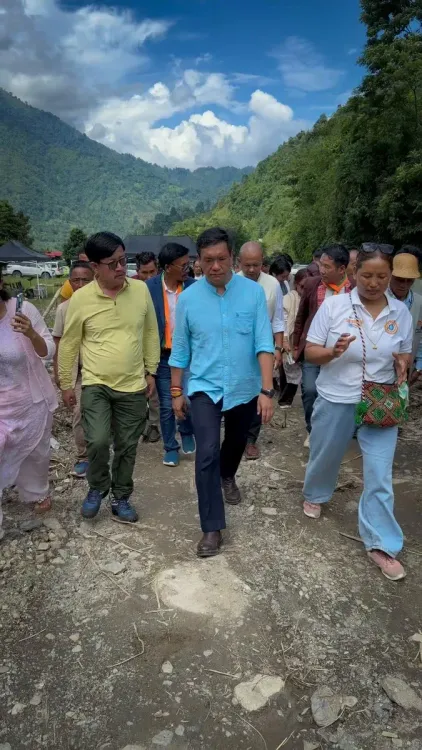
Arunachal Pradesh Chief Minister Pema Khandu on Wednesday, 1 July 2026, walked through flood-affected Posa village alongside State BJP President Kaling Moyong to assess damage firsthand and meet families impacted by the flooding.
Context
Khandu shared the visit on social media, stating: 'Walked through flood-hit Posa village with Hon'ble State BJP President Shri Kaling Moyong Ji. We saw the damage firsthand, and met affected families.' The ground-level inspection signals the state government's direct engagement with communities bearing the brunt of the monsoon season.
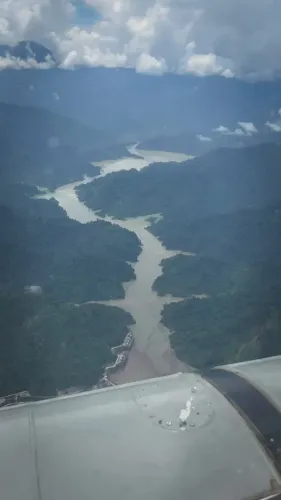
Posa village lies in a flood-prone river basin area of Arunachal Pradesh, a northeastern state that faces recurring inundation from tributaries of the Brahmaputra every monsoon cycle. The visit by both the Chief Minister and the state party president underscores the political and administrative weight being accorded to the disaster response.
Policy Backdrop
Under the Disaster Management Act, 2005, state governments are mandated to conduct on-site assessments of flood damage, with senior officials — including chief ministers — expected to lead or participate in such reviews. These assessments form the documented basis for activating relief mechanisms and requesting central funds.
Arunachal Pradesh has historically been among the northeastern states most vulnerable to monsoon flooding, with multiple districts affected annually. The BJP-led state government has maintained a pattern of high-visibility, on-ground inspections during disaster events as a demonstration of administrative responsiveness.
Stakeholders and Impact
The most immediate stakeholders are the flood-affected families of Posa village and surrounding rural communities who face loss of property, livelihoods, and access to basic services during the monsoon period. A direct visit by the Chief Minister can accelerate ground-level damage documentation and fast-track relief disbursements.
Such visits by state leadership typically precede coordination with the central government for additional allocations from the State Disaster Response Fund (SDRF). Announcements of ex-gratia payments or emergency assistance packages for affected households are a common follow-up step.
What's Next
The state government is expected to convene review meetings with district administration officials following the inspection, with outputs feeding into formal damage assessment reports. Requests for central assistance and possible announcements on relief measures for affected families in Posa village are likely in the near term.
As the monsoon season progresses, the administration's response to this visit will be closely watched as a signal of how swiftly Arunachal Pradesh can mobilise relief for its most vulnerable communities.
Point of View
Making the next 48-72 hours critical for affected families. How quickly tangible assistance follows the optics will determine the lasting impact of this ground visit.
NationPress
1 Jul 2026
Frequently Asked Questions
Why did CM Pema Khandu visit Posa village?
CM Pema Khandu visited Posa village on 1 July 2026 to assess flood damage firsthand and meet families affected by monsoon flooding, accompanied by BJP state president Kaling Moyong.
Where is Posa village located?
Posa village is located in Arunachal Pradesh, a northeastern Indian state situated in a flood-prone river basin area affected by Brahmaputra tributaries during the monsoon season.
What relief can flood victims in Arunachal Pradesh expect after the CM's visit?
Following such ground inspections, state governments typically initiate formal damage assessments, announce ex-gratia payments, and may request additional central funds through the State Disaster Response Fund (SDRF).
Who is Kaling Moyong?
Kaling Moyong is the BJP state president of Arunachal Pradesh. He accompanied Chief Minister Pema Khandu during the flood inspection of Posa village on 1 July 2026.
How often does Arunachal Pradesh face floods?
Arunachal Pradesh faces recurring monsoon flooding every year, with multiple districts impacted by inundation from tributaries of the Brahmaputra river, prompting regular disaster response measures by the state government.