CM Rekha Gupta Celebrates Teej with Women at Pitampura Delhi Haat
Synopsis
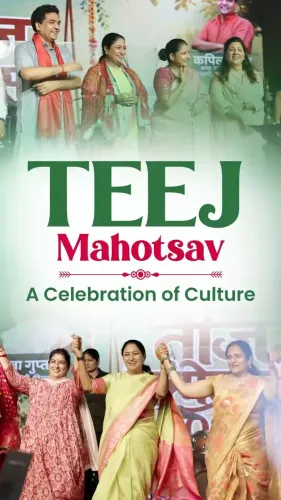
Delhi Chief Minister Rekha Gupta joined a Teej celebration at Pitampura Delhi Haat on 9 August 2026, marking the festival with women residents and BJP leaders, calling Teej a living expression of India's cultural heritage preserved by generations of women.
Key Takeaways
Delhi CM Rekha Gupta attended a Teej festival at Pitampura Delhi Haat on 9 August 2026 .
She described the gathering as the 'entire Delhi family' united in joy, devotion, and belonging.
Delhi BJP State Vice President Rajesh Bhatia , MLA Rajkumar Bhatia , MLA Tilak Ram Gupta , and Poonam Sharma were present.
Teej is a traditional North Indian women's festival marking the monsoon season and marital harmony.
Pitampura Delhi Haat is a government-run cultural complex regularly used for public festival events.
BJP leaders in Delhi routinely participate in such cultural events as part of grassroots community outreach.
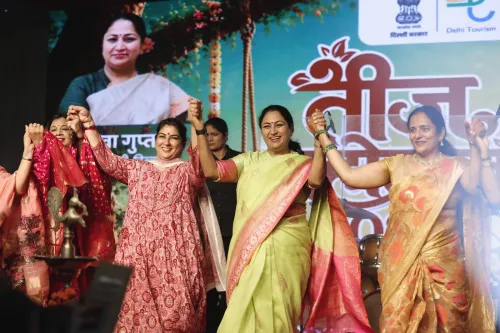
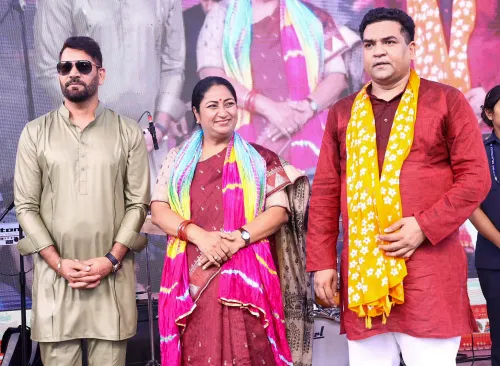
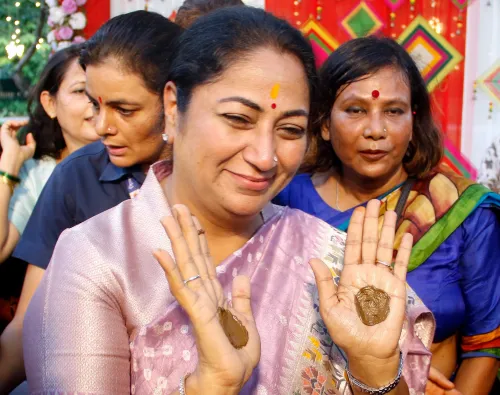
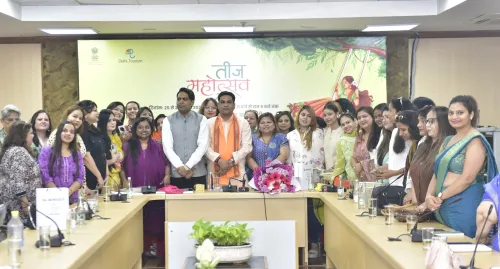
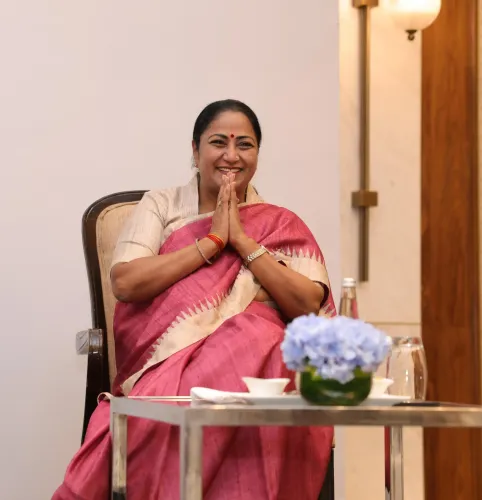
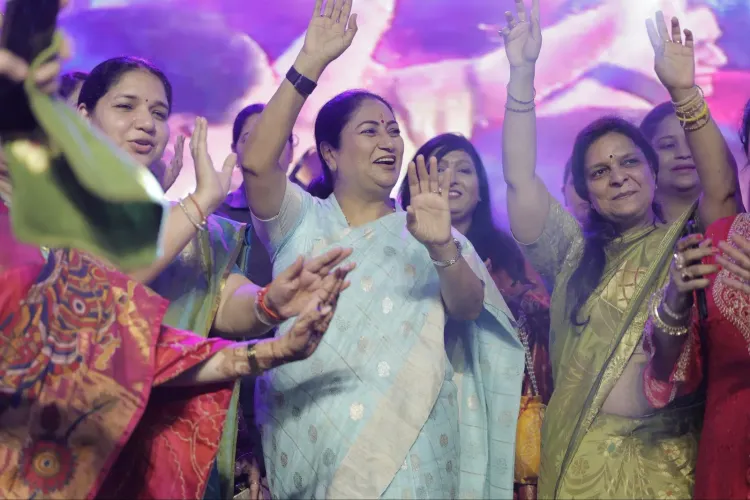
Monsoon colours, devotion, and a crowd of women celebrating together — Delhi Chief Minister Rekha Gupta joined a Teej festival at Pitampura Delhi Haat on Sunday, 9 August 2026, turning the popular cultural complex into a gathering point for what she described as the entire Delhi family coming together in joy and faith.
In her post, the Chief Minister wrote: 'aaj Pitampura Delhi Haat mein bahnon ke saath Teej ka utsav manaya' — 'Today, celebrating Teej with sisters at Pitampura Delhi Haat felt as though the entire Delhi family had been coloured in a single hue of joy, devotion, and belonging.' She added that Teej 'brings alive the beautiful colours of our culture, preserved across generations by the strength of our women.'
Who Shared the Stage at Pitampura
The celebration drew a cross-section of local BJP leadership alongside large numbers of women residents. Delhi BJP State Vice President Rajesh Bhatia, MLA Rajkumar Bhatia, MLA Tilak Ram Gupta, and BJP leader Poonam Sharma were among those present, reflecting the party's standard practice of fielding senior functionaries at constituency-level cultural events.
Teej, Delhi Haat, and the BJP's Cultural Outreach Playbook
Teej is one of North India's most widely observed women's festivals, marking the monsoon season and celebrating marital harmony through fasting, singing, and communal gatherings. Pitampura Delhi Haat, a government-run craft and cultural market in northwest Delhi, is a recurring venue for such public celebrations — designed precisely to showcase regional traditions in an accessible, civic setting.
BJP leaders across Delhi have consistently used festival participation as a direct-engagement tool with women voters and neighbourhood communities. Gupta's appearance, accompanied by ward-level and assembly-level representatives, fits that pattern — a visible, ground-level signal of the party's cultural connect ahead of any upcoming state-level programmes.
Gupta closed her message with a blessing: 'May the colours of happiness, good fortune, and celebration remain with you always.' The kicker the festival itself delivers — Teej's endurance as a living tradition, carried forward not by institutions but by the women who keep showing up, year after year.
Point of View
From state vice president down to local MLAs, signals deliberate constituency saturation rather than a casual attendance. For a relatively new Chief Minister, these ground-level touchpoints serve a dual purpose: cultural credibility and quiet voter reinforcement.
NationPress
10 Aug 2026
Frequently Asked Questions
Where did Delhi CM Rekha Gupta celebrate Teej in 2026?
She celebrated Teej at Pitampura Delhi Haat , a government-run cultural and handicraft complex in northwest Delhi, on 9 August 2026 .
What is Teej and why is it celebrated?
Teej is a traditional North Indian festival observed primarily by women, marking the arrival of the monsoon season and celebrating marital harmony through fasting, singing, and communal gatherings.
Which BJP leaders attended the Teej event with Rekha Gupta?
Delhi BJP State Vice President Rajesh Bhatia , MLAs Rajkumar Bhatia and Tilak Ram Gupta , and BJP leader Poonam Sharma were among those present.
What did Rekha Gupta say about Teej?
She said Teej 'brings alive the beautiful colours of our culture, preserved across generations by the strength of our women,' and wished everyone happiness and good fortune.
What is Delhi Haat at Pitampura?
Pitampura Delhi Haat is a government-operated cultural market and exhibition complex in northwest Delhi, regularly used to host festivals, craft fairs, and public cultural events.