CM Rekha Gupta Doubles ASHA Pay, Launches 4 Health Reforms

Synopsis
Delhi CM Rekha Gupta and LG Taranjit Singh Sandhu announced four health reforms at Asha Sammelan-2026: ASHA worker incentives doubled to ₹6,000 for 6,690 workers, SOTTO launched at GB Pant Hospital, ANMOL scheme expanded to 56 free neonatal screenings, and a Nursing Home Management System Portal introduced.
Key Takeaways
ASHA incentive doubled: Monthly stipend raised from ₹3,000 to ₹6,000 , benefiting 6,690 ASHA workers across Delhi.
SOTTO at GB Pant: A State Organ and Tissue Transplant Organisation unit launched to improve organ donation and transplant coordination.
ANMOL expansion: Free neonatal screening now covers 56 health conditions for newborns in Delhi under the ANMOL scheme.
Digital nursing home governance: A new Nursing Home Management System Portal aims to make private facility registration and compliance transparent and accountable.
Announcements made under #SevaSankalpAbhiyan at Asha Sammelan-2026, attended by LG Taranjit Singh Sandhu and Dr Pankaj Kumar Singh .
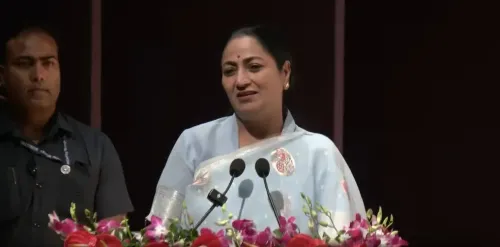
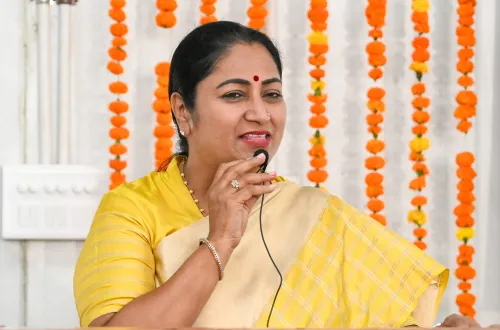
Four concrete health decisions landed in Delhi on Tuesday, 6 October 2026 — and at the centre of each one stood the city's 6,690 ASHA workers, its newest-born infants, and thousands of patients waiting for organ transplants. Delhi Chief Minister Rekha Gupta, alongside Lieutenant Governor Taranjit Singh Sandhu, unveiled the announcements at Asha Sammelan-2026, held under the #SevaSankalpAbhiyan banner.
ASHA workers' incentive doubled — from ₹3,000 to ₹6,000
The headline reform is unambiguous: the monthly incentive for Delhi's ASHA (Accredited Social Health Activist) workers has been raised from ₹3,000 to ₹6,000 — a 100 per cent increase. ASHA workers are the backbone of India's last-mile public-health delivery, conducting door-to-door visits, tracking maternal and child health, and bridging the gap between communities and formal health facilities. For 6,690 women across the capital, the doubled stipend represents direct economic relief and, the government argues, a stronger incentive to sustain that grassroots reach.
SOTTO at GB Pant Hospital: organ donation gets a dedicated nerve centre
The second announcement targets organ donation, a domain where coordination failures routinely cost lives. A State Organ and Tissue Transplant Organisation (SOTTO) unit has been launched at GB Pant Hospital, one of Delhi's major government tertiary-care facilities. SOTTO units act as the administrative and logistical hub for the entire donation-to-transplant chain — matching donors to recipients, managing retrieval teams, and cutting the bureaucratic delays that let viable organs go to waste. The move is expected to improve both the volume of donations and the speed at which critical patients receive transplants.
ANMOL scheme now screens newborns for 56 conditions — free of charge
The ANMOL scheme has been expanded to cover 56 health conditions in newborns, all screened at zero cost to families. Early neonatal screening is among the highest-return investments in public health: conditions caught in the first days of life — metabolic disorders, hearing impairment, congenital hypothyroidism — can be treated before they cause permanent disability. The expansion of ANMOL directly addresses a gap in Delhi's neonatal care architecture, where such comprehensive screening was previously not universally available in the public system.
Nursing Home Management System Portal: transparency for private facilities
The fourth initiative is administrative but consequential. A Nursing Home Management System Portal has been launched to digitise and streamline the registration, licensing, and compliance processes for private nursing homes in the capital. The government says the portal will make these processes 'simpler, transparent, and accountable' — addressing long-standing complaints from both operators navigating opaque bureaucracy and patients unable to verify a facility's credentials. Cabinet colleague Dr Pankaj Kumar Singh was present at the event alongside a large gathering of ASHA workers.
CM Gupta framed all four measures under the guidance of Prime Minister Narendra Modi, stating the government's resolve that 'health services become more accessible, health security reaches the last person in society, and every hand engaged in service receives due respect.' The convergence of a frontline-worker pay hike, neonatal screening, organ-transplant infrastructure, and digital governance in a single event signals a deliberate effort to present the BJP-led Delhi government's health agenda as both broad and on the ground.
The ASHA stipend hike alone will redirect significant additional funds into some of Delhi's most economically precarious neighbourhoods — where most ASHA workers live and serve. That may be the sharpest political signal of the day.
Point of View
Neonatal care, and digital governance, the BJP-led Delhi government is constructing a 'governance delivery' narrative. This matters because the party has historically struggled to claim credit for ground-level health outcomes in the capital. Doubling ASHA stipends also invites comparison with the previous AAP government's record on frontline health workers, making it an implicit electoral signal. The SOTTO launch at GB Pant Hospital places Delhi within the national organ donation push, aligning the state's agenda with the Centre's broader health-infrastructure goals.
NationPress
6 Oct 2026
Frequently Asked Questions
What is the new ASHA worker incentive in Delhi after the 2026 hike?
Delhi has doubled the monthly incentive for ASHA workers from ₹3,000 to ₹6,000, benefiting all 6,690 ASHA workers in the capital. The increase was announced by CM Rekha Gupta at Asha Sammelan-2026 on 6 October 2026.
What is SOTTO and why was it launched at GB Pant Hospital?
SOTTO stands for State Organ and Tissue Transplant Organisation. It coordinates the entire organ donation and transplantation process — from donor identification to recipient matching. Its launch at GB Pant Hospital is meant to reduce delays and improve outcomes for patients needing transplants in Delhi.
What conditions does Delhi's ANMOL scheme screen for in newborns?
The expanded ANMOL scheme screens newborns in Delhi for 56 health conditions, completely free of charge. The goal is early detection and treatment of congenital and metabolic conditions before they cause lasting harm.
What is the Nursing Home Management System Portal Delhi launched in 2026?
It is a digital portal introduced by the Delhi government to simplify, digitalise, and make transparent the registration, licensing, and compliance processes for private nursing homes across the capital.
What is the Seva Sankalp Abhiyan announced by Delhi CM Rekha Gupta?
Seva Sankalp Abhiyan is a health and community service initiative under which the Delhi BJP government is rolling out a series of public health reforms. Asha Sammelan-2026 was one of the major events held under this campaign.