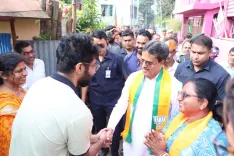
CM Rekha Gupta Hails PM Modi's Manila Gurdwara Visit

Synopsis
Delhi CM Rekha Gupta praised PM Modi's visit to Manila, Philippines, where he joined the Indian diaspora and participated in the redevelopment launch of the historic Khalsa Diwan Gurdwara — a moment she called a proud symbol of India's cultural and diaspora diplomacy.
Key Takeaways
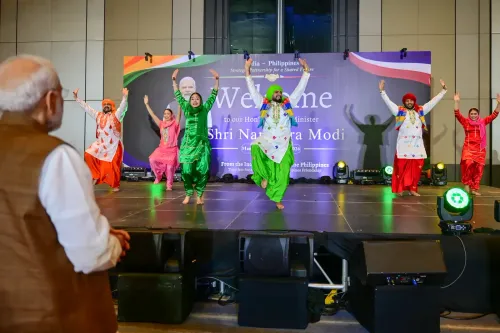
PM Narendra Modi visited Manila, Philippines and was welcomed by the local Indian community with Sanskrit shlokas and Punjabi cultural performances.
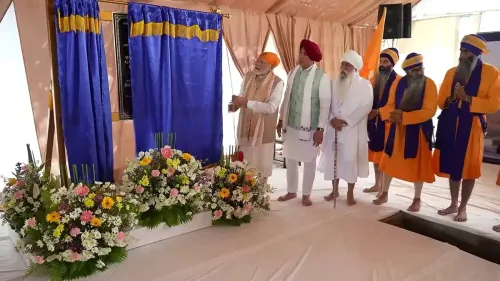
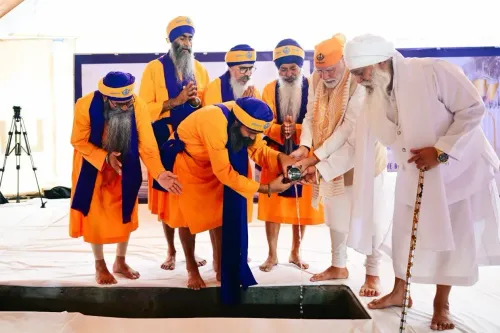
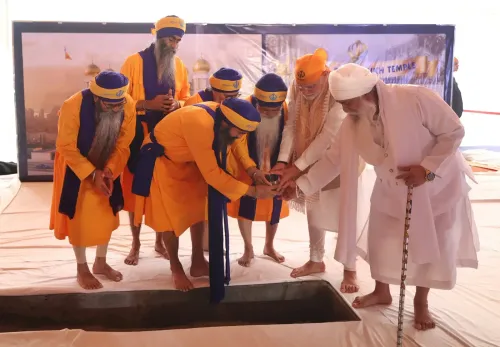
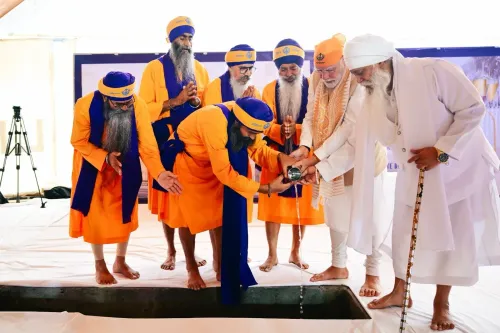
Modi participated in the launch of redevelopment works at the Khalsa Diwan Gurdwara , a Sikh institution in Manila that is over a century old.
Delhi CM Rekha Gupta posted her emotional reaction on 17 November 2026 , calling the moment deeply moving and a symbol of respect for Sikh heritage.
India's diaspora outreach rests on formal pillars including the Overseas Citizenship of India scheme (2005) and Pravasi Bharatiya Divas (since 2003).
High-level ASEAN visits routinely include community events that serve both cultural and bilateral diplomatic purposes.
Thousands of kilometres from home, the Indian community in Manila, Philippines greeted Prime Minister Narendra Modi with Sanskrit shlokas, Punjabi folk culture, and a warmth that Delhi Chief Minister Rekha Gupta described as deeply moving — a moment she says captures everything India's diaspora diplomacy stands for.
Posting on 17 November 2026, Gupta wrote that the sight of Indian-community children reciting Sanskrit verses in the Philippine capital, combined with 'the vibrant glimpse of Punjab's living culture,' was atyanth bhavpurna — 'profoundly emotional.' The centrepiece of her tribute, however, was PM Modi's participation in the redevelopment launch of the Khalsa Diwan Gurdwara in Manila, a Sikh institution she described as more than a century old.
A Century-Old Sikh Landmark Gets a New Chapter
The Khalsa Diwan Gurdwara in Manila stands as one of the oldest Sikh religious institutions in Southeast Asia, its roots stretching back over a hundred years to early Indian migration into the Philippines. For the local Sikh and broader Indian community, it has long been a node of faith, service, and cultural identity far from the subcontinent.
PM Modi's presence at the launch of its redevelopment works carries significant symbolic weight. Gupta framed it as 'a beautiful symbol of respect for the Sikh community's faith, service, and rich heritage' — connecting a brick-and-mortar project to the larger idea of India honouring its people wherever they have put down roots.
Diaspora Outreach as Strategic People-Power
India has built a formal architecture around its overseas communities since the early 2000s — the Overseas Citizenship of India scheme (introduced 2005) and the annual Pravasi Bharatiya Divas convention (held since 2003) are its twin pillars. High-level visits to ASEAN nations routinely fold in community events precisely because they serve dual purposes: reinforcing cultural bonds while generating bilateral goodwill that trade and diplomatic conversations alone cannot manufacture.
Gupta's post makes that logic explicit. She wrote that under PM Modi's leadership, 'India is deepening its affectionate ties with its diaspora families while giving its cultural heritage global recognition and lending new strength to international friendships' — a formulation that maps the Manila visit squarely onto a foreign-policy continuum, not just a ceremonial stop.
India-Philippines People-to-People Ties
The Philippines and India share a growing strategic partnership within the ASEAN framework, with people-to-people links underpinning the official relationship. The Indian community in Manila — Sikh traders, professionals, and their descendants — has historically been among the most visible faces of that connection. A prime ministerial visit to their oldest place of worship sends a signal well beyond the gurdwara's walls: that New Delhi watches over its diaspora, and that diaspora, in turn, is an instrument of soft power.
Watch for follow-up announcements on cultural or consular cooperation agreements between the two countries, and for the pace of the gurdwara redevelopment itself — a project that will now carry the imprimatur of a head-of-government inauguration.
Point of View
She aligns the BJP's Delhi leadership with the party's broader diaspora-as-soft-power narrative ahead of any potential Indo-Philippine diplomatic announcements. The gurdwara redevelopment is a tactically resonant choice of spotlight: it speaks simultaneously to Sikh community sentiment, India's civilisational confidence abroad, and ASEAN relationship-building. Successive governments have used Pravasi Bharatiya events and overseas religious-site patronage to convert diaspora goodwill into foreign-policy capital; Modi's Manila stop fits neatly into that two-decade arc. What gives it fresh urgency is the explicit India-Philippines bilateral framing — suggesting New Delhi wants to deepen this Southeast Asian relationship beyond trade into identity and heritage diplomacy.
NationPress
17 Nov 2026
Frequently Asked Questions
Why did PM Modi visit the Khalsa Diwan Gurdwara in Manila?
PM Modi participated in the launch of redevelopment works at the Khalsa Diwan Gurdwara, a historic Sikh institution in Manila that is over a century old, as part of his visit to the Philippines and an engagement with the local Indian diaspora community.
What is the Khalsa Diwan Gurdwara in Manila?
The Khalsa Diwan Gurdwara in Manila is one of the oldest Sikh religious institutions in Southeast Asia, established more than a hundred years ago by early Indian migrants to the Philippines and serving as a centre of faith, service, and cultural identity for the local Sikh community.
What did Delhi CM Rekha Gupta say about PM Modi's Philippines visit?
Delhi CM Rekha Gupta praised PM Modi's visit on 17 November 2026, calling the Indian community's welcome — which included children reciting Sanskrit shlokas and Punjabi cultural performances — 'profoundly emotional,' and describing his participation in the gurdwara redevelopment launch as a symbol of respect for Sikh heritage.
What is India's diaspora policy and how does this Manila visit fit in?
India has formally engaged its overseas communities through the Overseas Citizenship of India scheme (introduced in 2005) and the annual Pravasi Bharatiya Divas convention (since 2003). PM Modi's Manila visit, including the gurdwara redevelopment inauguration, fits into this long-standing pattern of using high-level visits to ASEAN countries to strengthen people-to-people ties alongside official diplomacy.
What is the significance of PM Modi's visit to the Philippines for India-Philippines relations?
The visit reinforces people-to-people ties between India and the Philippines within the ASEAN framework. By attending a community event and inaugurating a heritage redevelopment project, PM Modi signals that New Delhi views the Indian diaspora as a bridge for broader cultural and diplomatic engagement with Manila.