CM Rekha Gupta Distributes Nutrition Kits to Delhi's Women Workers
Synopsis
Delhi CM Rekha Gupta joined NCW chief Vijaya Rahatkar and DCW chief Lata Gupta at the 'Shramik Poshan Samvad' on 15 October 2026, distributing nutrition kits to women labourers and highlighting four welfare schemes — Palna Ghar, Atal Canteen, Delhi Lakshmi Yojana, and Pink Saheli Card.
Key Takeaways
Delhi CM Rekha Gupta attended the 'Shramik Poshan Samvad' organised by the Delhi Commission for Women on 15 October 2026 .
National Commission for Women Chairperson Vijaya Kishore Rahatkar and DCW Chairperson Lata Gupta were present at the event.
Nutrition kits were distributed directly to women labourers from Delhi's informal sector.
CM Gupta highlighted four active welfare schemes: Palna Ghar , Atal Canteen , Delhi Lakshmi Yojana , and Pink Saheli Card .
The event aligns with the national POSHAN Abhiyaan framework launched in 2018 to tackle malnutrition among women and children.
The joint presence of national and city-level women's commissions signals coordinated outreach to Delhi's informal women workforce.
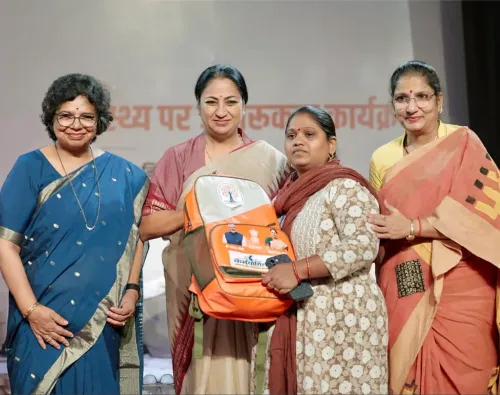
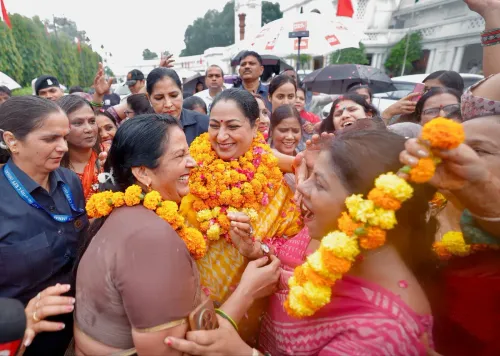
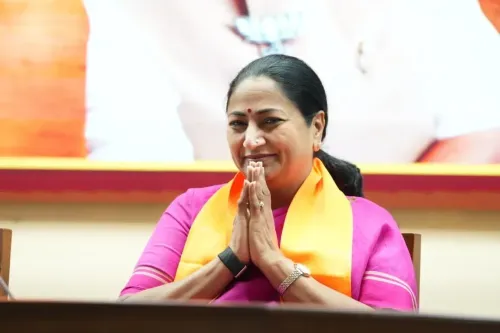
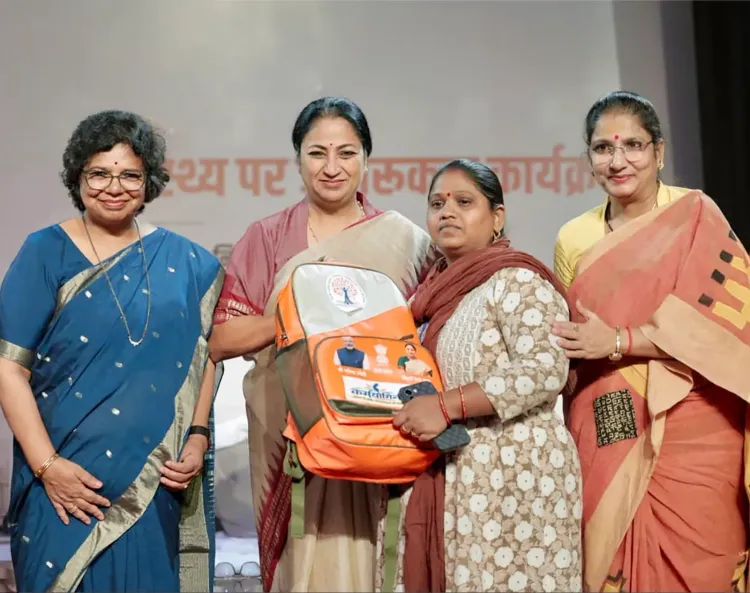
Hundreds of women labourers — the invisible backbone of Delhi's construction sites and service sectors — sat down Thursday with the city's top leadership to talk about something as fundamental as food. Delhi Chief Minister Rekha Gupta attended the 'Shramik Poshan Samvad' (Workers' Nutrition Dialogue) organised by the Delhi Commission for Women on 15 October 2026, distributing nutrition kits and holding what she described as a warm, personal conversation with her 'karmayogini behnein' — her 'devoted working sisters.'
Joining her at the event were National Commission for Women Chairperson Vijaya Kishore Rahatkar and Delhi Commission for Women Chairperson Lata Gupta, along with all commission members. The gathering brought national and city-level women's welfare machinery into the same room — alongside the women they exist to serve.
What the Nutrition Dialogue Was About
The Shramik Poshan Samvad centred on nutritional awareness and direct support for women in Delhi's informal labour sector — domestic workers, construction labourers, and service-sector hands whose physical demands are high and whose access to structured welfare often remains patchy. Nutrition kits were distributed on the spot, a gesture that sits within the broader POSHAN Abhiyaan framework launched nationally in 2018, which targets malnutrition among women and children through awareness campaigns and material support.
CM Gupta used the occasion to reaffirm her government's commitment to this segment of Delhi's workforce, calling their 'labour, spirit of service and dedication invaluable to the making of Delhi.'
The Welfare Stack: Palna Ghar to Pink Saheli Card
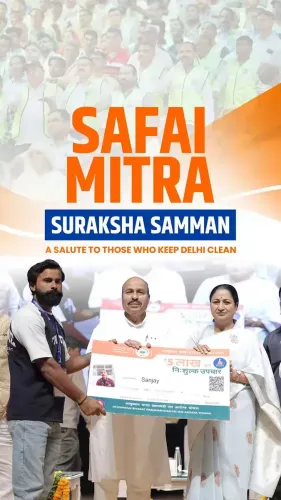
The Chief Minister specifically named four schemes her government is running for women workers. Palna Ghar provides crèche facilities so working mothers are not forced to choose between their jobs and their children. Atal Canteens offer subsidised meals — a direct buffer against daily food insecurity. The Delhi Lakshmi Yojana channels financial and support benefits toward women and girls. And the Pink Saheli Card extends safety, transport, and support privileges designed around the specific vulnerabilities women face in the city.
Together, the four programmes sketch the contours of the BJP-led Delhi government's welfare approach: targeted, scheme-driven, and built around the argument that structural support — not just cash transfers — is what changes a working woman's day-to-day reality.
Why This Event Signals Something Larger
The presence of National Commission for Women Chairperson Rahatkar at a city-level event is notable. It signals a deliberate alignment between the Centre's women's-rights machinery and Delhi's state administration — both BJP-affiliated — creating a unified platform for outreach to a constituency that rarely makes it into political headlines. Women in the informal labour sector vote, but they are seldom the audience for glossy scheme launches.
Analysts watching Delhi's social-sector spending will be tracking whether upcoming fiscal announcements expand the operational reach of Palna Ghars and Atal Canteens — both of which have been cited as under-resourced relative to demand.
For now, Thursday's dialogue put women who build the city on the same stage as the officials who govern it. That, at minimum, is a message worth reading.
Point of View
Visually rich, and anchored to a constituency (informal women labourers) that sits outside the usual political spotlight. By co-hosting with the National Commission for Women, the Delhi government signals vertical alignment with the Centre, reinforcing a unified BJP welfare brand ahead of any forthcoming budget cycle. The four-scheme package CM Gupta named — Palna Ghar, Atal Canteen, Delhi Lakshmi Yojana, Pink Saheli Card — represents an attempt to build a 'welfare stack' for working women rather than rely on single-point cash transfers. Whether these programmes are adequately funded and operationally scaled will ultimately determine if Thursday's dialogue translates into lasting impact.
NationPress
15 Oct 2026
Frequently Asked Questions
What is the 'Shramik Poshan Samvad' event in Delhi?
'Shramik Poshan Samvad' is a nutrition dialogue event organised by the Delhi Commission for Women to provide nutritional awareness and support — including distribution of nutrition kits — to women workers in Delhi's informal labour sector.
What is the Pink Saheli Card scheme in Delhi?
The Pink Saheli Card is a Delhi government initiative that provides women with safety, transport, and support benefits, designed to ease the specific challenges faced by women navigating the city daily.
What is the Delhi Lakshmi Yojana?
The Delhi Lakshmi Yojana is a state government scheme aimed at providing financial and welfare support to women and girls in Delhi.
What is Palna Ghar and who is it for?
Palna Ghar is a crèche facility run under the Delhi government's welfare framework, designed for working mothers who need a safe place for their young children while they are at work.
Who is Vijaya Kishore Rahatkar?
Vijaya Kishore Rahatkar is the Chairperson of the National Commission for Women, India's apex statutory body for advocating women's rights and welfare at the national level.