CM Rekha Gupta Honours Delhi's Safai Mitras at Welfare Camp
Synopsis
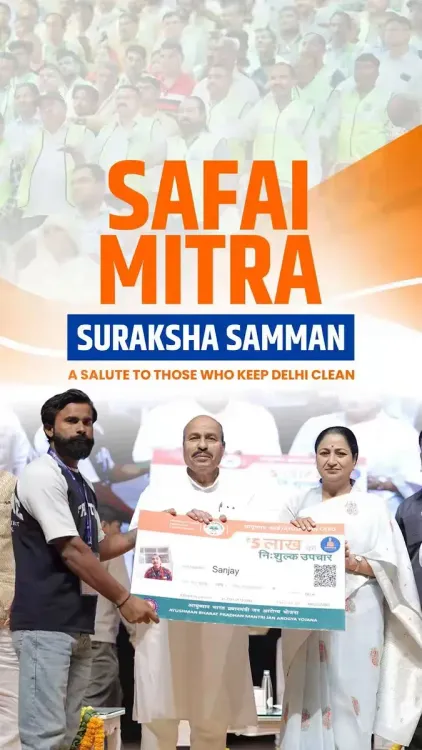
Delhi CM Rekha Gupta held the 'Safai Mitra Suraksha Evam Samman Shivir' under Seva Sankalp Abhiyan on 30 September 2026, providing sanitation workers with health screenings, safety equipment and enrolment into government welfare schemes, linking street-level cleanliness to structured labour welfare.
Key Takeaways
Delhi CM Rekha Gupta acknowledged Safai Mitras on 30 September 2026 through a dedicated welfare camp under Seva Sankalp Abhiyan .
The 'Safai Mitra Suraksha Evam Samman Shivir' provided health check-ups, safety equipment and linkage to welfare schemes.
The camp aims to enrol sanitation workers into programmes such as Ayushman Bharat , ESI and pension schemes.
The initiative sits within a broader policy lineage including the Swachh Bharat Mission (2014) and the Manual Scavengers Rehabilitation Act, 2013 .
Further rollout across Delhi's wards and uptake figures in municipal budgets will determine the campaign's real impact.
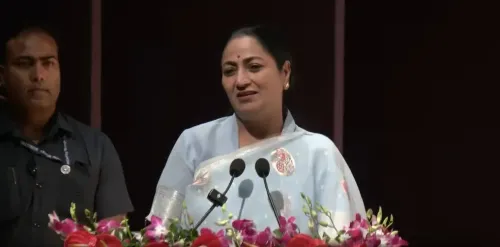
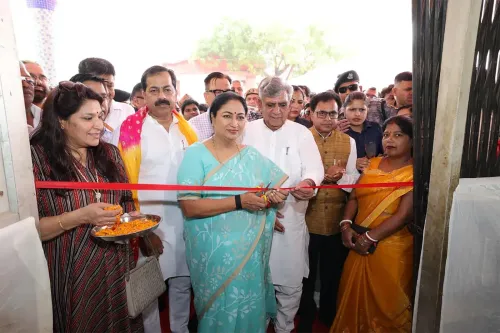
They sweep Delhi's streets before the city wakes up — and on Wednesday, 30 September 2026, Delhi Chief Minister Rekha Gupta made sure they were seen. A dedicated welfare camp under the Seva Sankalp Abhiyan brought sanitation workers centre-stage, pairing formal recognition with tangible health and safety support.
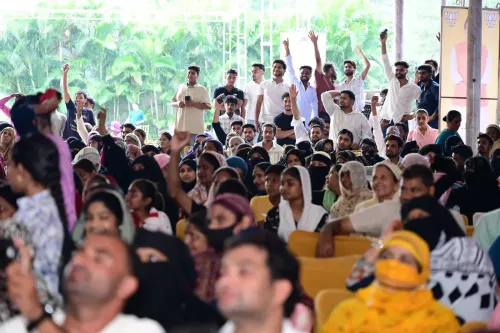
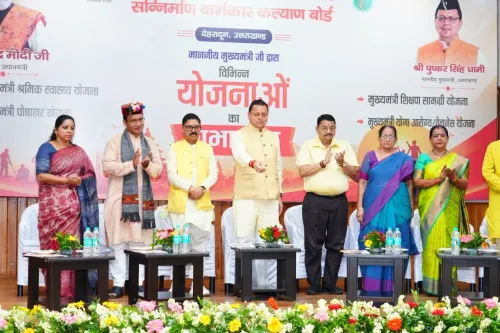
The event, formally titled 'Safai Mitra Suraksha Evam Samman Shivir', brought together Safai Mitras — the frontline sanitation workers employed by Delhi's municipal bodies — for health screenings, distribution of safety equipment, and on-the-spot linkage to government welfare programmes. CM Gupta described the initiative as both an act of recognition and a practical strengthening of the workers' safety net.
What the Shivir delivered for Delhi's sanitation workforce
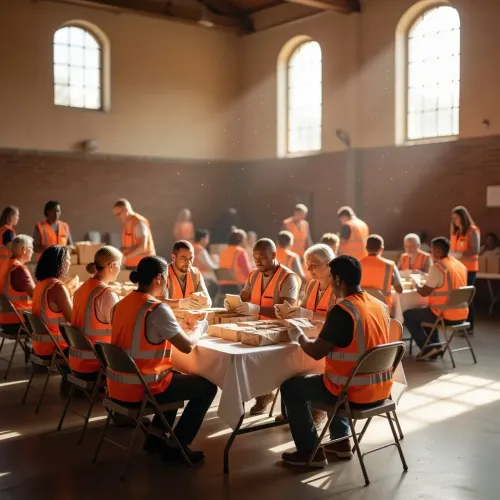
The camp operated on three pillars: health check-ups, safety gear, and access to welfare schemes such as Ayushman Bharat, ESI and pension programmes. Urban local bodies across India have used similar camp formats to bring informal and semi-formal sanitation workers into the formal welfare architecture — enrolling them in schemes they are entitled to but often fall outside of due to documentation gaps or low awareness.
The Seva Sankalp Abhiyan frames these efforts as a service compact between the administration and essential workers — not a one-off gesture but a structured campaign. For Safai Mitras, whose work is daily and physically demanding, access to health insurance and safety equipment is a functional necessity, not a symbolic benefit.
A policy thread running back to Swachh Bharat and beyond
The dignity-of-sanitation-workers question has a long legislative history. The Prohibition of Employment as Manual Scavengers and their Rehabilitation Act, 2013, established a national floor for the protection of sanitation workers, while the Swachh Bharat Mission, launched in 2014, embedded worker safety and insurance as explicit components alongside the cleanliness agenda. What camps like today's Shivir attempt is the last-mile delivery of that policy intent — moving entitlements off paper and into workers' hands.
Delhi's municipal workforce is one of the largest in any Indian city, making the capital a significant test case for how well welfare architecture actually reaches the people it was designed to protect.
The camp as a template — what comes next
The real measure of Seva Sankalp Abhiyan will come in its spread: whether similar Shivirs are rolled out across Delhi's wards and whether the uptake figures for linked welfare schemes show up in municipal budgets. A single camp is a signal; a citywide series is a system. The Chief Minister's post frames this as an ongoing campaign, suggesting more such events are planned — though specific rollout timelines have not been confirmed.
For the workers who sweep Delhi clean every morning, the question is simple: does the recognition stick, and do the schemes deliver? That answer will be written ward by ward, enrolment by enrolment.
Point of View
Where sanitation is both a civic flashpoint and a political symbol. By branding this under Seva Sankalp Abhiyan, the BJP-led Delhi government is building a campaign identity around frontline worker dignity, a space it has sought to occupy since the Swachh Bharat era. The real political test is not the camp itself but whether scheme enrolments scale across wards and reflect in municipal data — accountability that will outlast any single event. If the rollout remains episodic, the initiative risks being read as recognition theatre rather than structural reform.
NationPress
30 Sept 2026
Frequently Asked Questions
What is the Seva Sankalp Abhiyan in Delhi?
Seva Sankalp Abhiyan is a service-oriented campaign run by the Delhi government to promote welfare access and formal recognition for frontline municipal workers, including sanitation staff.
What is a Safai Mitra Suraksha Evam Samman Shivir?
It is a welfare camp organised for Safai Mitras — Delhi's municipal sanitation workers — offering health check-ups, safety equipment distribution and enrolment into government schemes like Ayushman Bharat and ESI.
Who are Safai Mitras in Delhi?
Safai Mitras are sanitation workers employed by Delhi's municipal bodies responsible for street cleaning and waste collection across the city.
What government schemes do Safai Mitras receive under these camps?
Workers are typically linked to schemes such as Ayushman Bharat health insurance, ESI benefits and pension programmes through these welfare camps.
What is Rekha Gupta's position in Delhi?
Rekha Gupta is the Chief Minister of Delhi and a leader of the Bharatiya Janata Party (BJP).