CM Rekha Gupta Joins Safai Mitra Welfare Camp in Delhi
Synopsis
Delhi Chief Minister Rekha Gupta joined Union Ministers Dr. Virendra Kumar and B. L. Verma at Kedarnath Sahni Auditorium on 30 September 2026 for a Seva Sankalp Abhiyan camp delivering health check-ups, PPE kits, and central and Delhi government welfare scheme benefits to sanitation workers and their families.
Key Takeaways
The Safai Mitra Suraksha Evam Samman Shivir was held on 30 September 2026 at Kedarnath Sahni Auditorium , Delhi, under the Seva Sankalp Abhiyan .
Delhi CM Rekha Gupta , Union Minister Dr.
Virendra Kumar , and Union MoS B.
Verma jointly participated, marking three-tier government coordination.
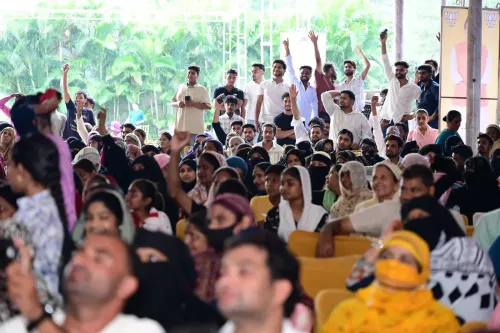
Sanitation workers, swachhagrahis, and their families received free health screenings , PPE kits , and welfare scheme linkages.
MCD Mayor Pravesh Wahi was also present, reflecting the Municipal Corporation's direct role in the initiative.
The camp aligns with the policy lineage of Swachh Bharat Mission (2014) and the NAMASTE scheme , which aim to reduce occupational hazards for sanitation workers.
Further camps under Seva Sankalp Abhiyan are expected, with a focus on PPE distribution and scheme access for Delhi's safai mitras.
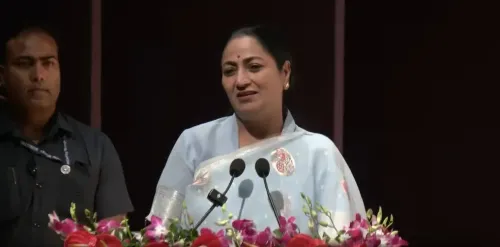
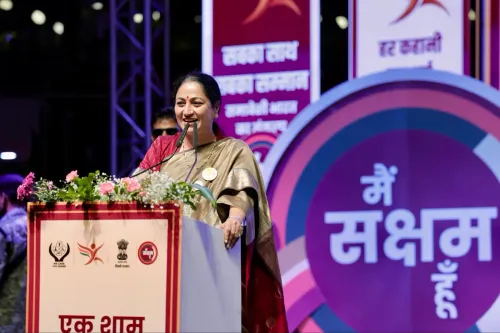
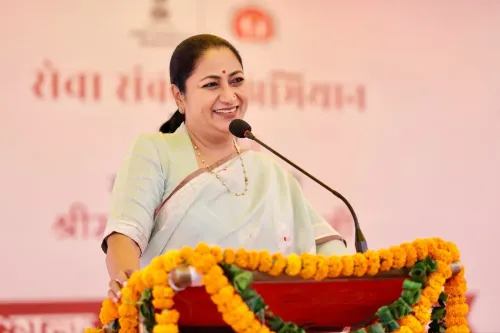
Every morning, thousands of sanitation workers quietly make Delhi liveable — and on Wednesday, 30 September 2026, Delhi Chief Minister Rekha Gupta stood alongside them at Kedarnath Sahni Auditorium, hosting a dedicated welfare camp that brought health check-ups, safety gear, and government scheme benefits directly to the city's safai mitras and their families.
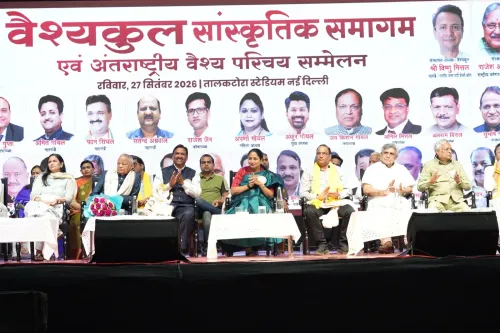
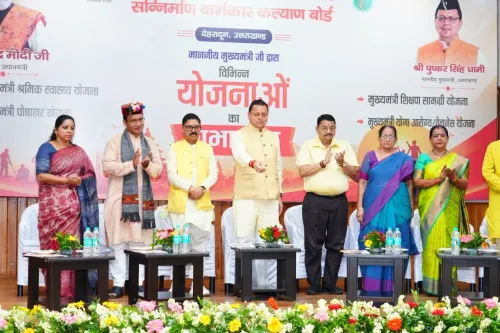
The event, held under the Seva Sankalp Abhiyan, was titled 'Safai Mitra Suraksha Evam Samman Shivir' — a 'Protection and Dignity Camp for Sanitation Workers'. CM Gupta was joined by Union Minister for Social Justice and Empowerment Dr. Virendra Kumar and Union Minister of State Shri B. L. Verma, signalling a joint Centre-Delhi commitment to the initiative.
What workers received at the camp
Attendees — safai mitras, swachhagrahis, and their family members — were offered free health screenings, PPE kits and safety equipment, and linkages to welfare schemes run by both the central and Delhi governments. The convergence of central and municipal resources at a single venue was designed to cut through bureaucratic friction that often keeps eligible workers from accessing entitlements.
CM Gupta, posting in Hindi on X, said: 'Hamare safai mitra apne parishram aur sevabhav se har din Delhi ko swachh aur sundar banate hain' — 'Our sanitation friends make Delhi clean and beautiful every single day through their hard work and spirit of service.' She added: 'Your honour, safety, and welfare is the resolve of our government.'
NAMASTE, Swachh Bharat, and the policy chain behind the camp
The camp sits within a longer policy lineage. The Swachh Bharat Mission, launched in 2014, first formalised the idea of extending institutional support to safai mitras beyond wages. The NAMASTE scheme built on that by pushing mechanisation of hazardous cleaning tasks and mandating PPE provision, aiming to reduce deaths and injuries in sewer and septic-tank work — an occupational hazard that has claimed lives across Indian cities for decades.
Seva Sankalp Abhiyan represents the current iteration: periodic, high-visibility camps where ministers and local government officials jointly deliver scheme benefits, health services, and equipment to workers in a single sitting. The presence of Delhi Municipal Corporation Mayor Pravesh Wahi alongside central ministers and the Chief Minister underlined the three-tier coordination the model requires to work.
Dignity as governance — the signal being sent
The deliberate choice of the word 'samman' (dignity) in the camp's name, alongside 'suraksha' (protection), is telling. For years, welfare delivery to sanitation workers was largely invisible in political discourse. Camps like this one — with senior ministers present on the dais — mark a shift in how the state frames its relationship with the people who keep its streets clean.
With further camps under Seva Sankalp Abhiyan expected, and the Delhi Nagar Nigam continuing its outreach drive, the question now is whether the gear distributed and the scheme linkages made on 30 September translate into durable, on-ground safety improvements — or remain a one-day headline.
Point of View
Two Union ministers, and the MCD Mayor on the same dais — is a deliberate visibility play that serves multiple political and policy purposes simultaneously. It lets the BJP-led Delhi government demonstrate welfare governance credentials to a workforce that is both numerically significant and historically under-served. The framing around 'dignity' and 'honour' taps into a cultural shift the Swachh Bharat Mission initiated but never fully delivered at the human level. Critically, the camp model bundles health, equipment, and scheme linkages in one place, which is administratively efficient but raises the long-standing question of whether single-day outreach events create lasting safety change or function primarily as optics — a tension that will define how this initiative is judged over time.
NationPress
30 Sept 2026
Frequently Asked Questions
What is the Seva Sankalp Abhiyan?
Seva Sankalp Abhiyan is a central government campaign that organises welfare delivery camps for vulnerable and marginalised groups, bringing health services, safety equipment, and scheme benefits directly to beneficiaries in a single event.
What did safai mitras receive at the Delhi camp on 30 September 2026?
Sanitation workers, swachhagrahis, and their families received free health check-ups, PPE and safety kits, and information and linkages to welfare schemes run by both the central and Delhi state governments.
What is the NAMASTE scheme for sanitation workers?
The NAMASTE scheme is a central government initiative focused on mechanising hazardous sanitation tasks and providing safety equipment, health insurance, and welfare linkages to sewage and sanitation workers to reduce occupational deaths and injuries.
Who attended the safai mitra welfare camp with CM Rekha Gupta?
Union Minister for Social Justice and Empowerment Dr. Virendra Kumar, Union Minister of State Shri B. L. Verma, and MCD Mayor Pravesh Wahi attended alongside Delhi Chief Minister Rekha Gupta.
What is the Swachh Bharat Mission's role in safai mitra welfare?
Launched in 2014, the Swachh Bharat Mission formalised institutional support for sanitation workers, moving beyond wages to include safety standards, equipment provision, and welfare scheme access — a framework that camps like this one continue to build on.