CM Rekha Gupta Launches Delhi–Hapur E-Bus Route, Fleet Hits 7,088
Synopsis
Delhi CM Rekha Gupta announces 100 new electric buses and the Delhi–Hapur interstate e-bus route on November 20, 2026, taking the capital's fleet to 7,088 buses — with nearly 5,400 electric — making it India's largest electric bus fleet.
Key Takeaways
100 new electric buses inducted into Delhi's fleet on November 20, 2026 .
Total Delhi bus fleet now stands at a record 7,088 buses , with nearly 5,400 electric .
Delhi now operates India's largest electric bus fleet , according to CM Rekha Gupta.
The Delhi–Hapur interstate electric bus service extends zero-emission public transport across the UP border for the first time.
Delhi's electric bus push has been underway since 2019 , supported by the central FAME scheme and state clean-air plans.
CM Gupta urged Delhiites to choose public transport to build a 'cleaner, greener Delhi' under #ViksitDelhi .
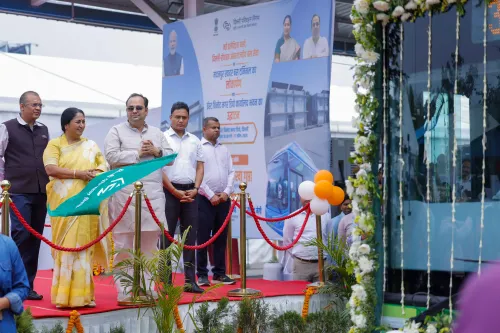
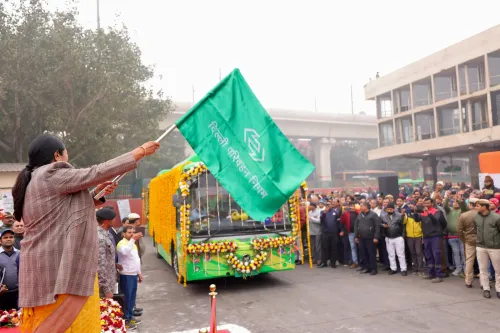
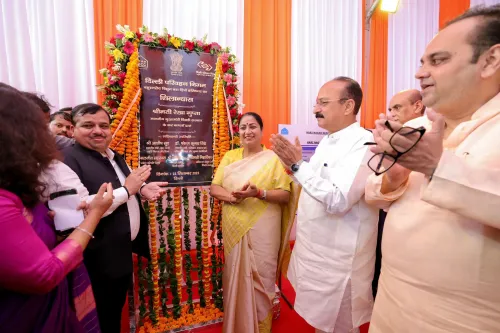
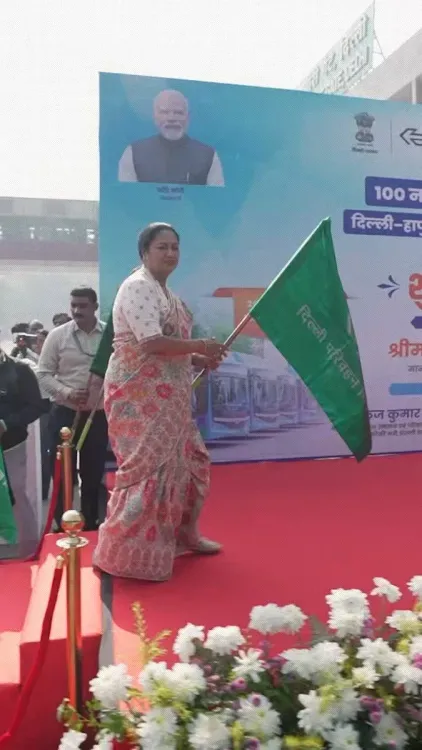
Delhi's streets are running quieter and greener. Delhi Chief Minister Rekha Gupta on Friday, November 20, 2026 announced the induction of 100 new electric buses and the launch of the Delhi–Hapur interstate electric bus service — pushing the capital's total fleet to a record 7,088 buses, with nearly 5,400 of them electric, and cementing Delhi's claim to India's largest electric bus fleet.
From city lanes to state borders: the Delhi–Hapur breakthrough
The Delhi–Hapur route is a consequential first. Until now, Delhi's electric bus push had been largely an intra-city story — cleaner rides within the capital's ring roads. Extending the service to Hapur, Uttar Pradesh, takes that electrification logic across a state boundary, covering a corridor that tens of thousands of daily commuters — students, workers, traders — rely on. It is a signal that zero-emission public transport no longer stops at the city limit.
CM Gupta framed the expansion in direct terms: 'We are taking another significant step towards cleaner, greener public transport,' urging every Delhiite to 'choose public transport for a cleaner, greener Delhi' under the banner of #ViksitDelhi (Developed Delhi).
A fleet built over years of policy momentum
Delhi's electric bus journey began gathering pace after 2019, backed by the Central government's FAME (Faster Adoption and Manufacturing of Hybrid and Electric Vehicles) scheme and the city's own clean-air action plans. The capital has consistently ranked among India's most polluted cities, with road transport — including diesel buses — a major contributor to its particulate load. Each successive wave of electric bus inductions has chipped at that number.
Reaching nearly 5,400 electric buses in a single urban fleet is a milestone that places Delhi well ahead of other Indian cities in raw electric-bus count, and aligns with the national target of decarbonising public transit ahead of India's broader net-zero commitments.
What the expansion means for Delhi's commuters
For the average Delhiite, the arithmetic is simple: more buses mean shorter waits, less crowding, and — with electric drivetrains — quieter, smoother rides with no exhaust fumes at bus stops. The interstate addition to Hapur also creates an incentive for private vehicle users on that corridor to switch, potentially denting one of the capital's busiest car-and-bus-sharing routes.
The government will be watching ridership data closely. Real emission reductions and commuter uptake numbers will determine whether the fleet expansion translates into measurable air-quality improvement — the ultimate test of a policy that has been building for nearly a decade.
Delhi has the fleet. The next question is whether Delhiites board it.
Point of View
The milestone offers a tangible governance narrative ahead of any electoral cycle: infrastructure delivery that voters can ride. The fleet size also hands Delhi a competitive advantage in the race among Indian metros to lead urban electric mobility. Whether the gains translate into measurable air-quality improvements, however, will depend on ridership depth and complementary traffic-demand policies that the fleet expansion alone cannot deliver.
NationPress
20 Nov 2026
Frequently Asked Questions
How many electric buses does Delhi have in 2026?
Delhi has nearly 5,400 electric buses as of November 2026, out of a total fleet of 7,088 buses , making it India's largest electric bus fleet.
What is the Delhi–Hapur electric bus service?
The Delhi–Hapur electric bus service is a newly launched interstate route connecting Delhi to Hapur in Uttar Pradesh using electric buses — the first time Delhi's electric bus network extends across a state boundary.
Who launched the new electric buses in Delhi in November 2026?
Delhi Chief Minister Rekha Gupta announced the addition of 100 new electric buses and the launch of the Delhi–Hapur interstate e-bus route on November 20, 2026 .
What is the FAME scheme and how does it relate to Delhi's electric buses?
The FAME (Faster Adoption and Manufacturing of Hybrid and Electric Vehicles) scheme is a Central government initiative that has financially supported Delhi's electric bus inductions since 2019 , alongside the city's own clean-air action plans.
Does Delhi have India's largest electric bus fleet?
Yes, according to CM Rekha Gupta's announcement, Delhi's fleet of nearly 5,400 electric buses makes it home to India's largest electric bus fleet as of November 2026.