CM Rekha Gupta Launches Durga E-Auto Scheme for Women in Delhi
Synopsis
Delhi CM Rekha Gupta launched the Durga E-Auto Yojana at the Delhi Secretariat on 12 October 2026, opening registration for 1,170 women and 130 transgender beneficiaries to receive pink electric auto-rickshaws as an owned livelihood asset in the scheme's first phase.
Key Takeaways
Durga E-Auto Yojana was formally launched at the Delhi Secretariat on 12 October 2026 by CM Rekha Gupta.
Phase one will distribute 1,170 pink e-autos to women and 130 to transgender individuals — a total of 1,300 vehicles .
An online registration portal was opened simultaneously; eligible beneficiaries are urged to enrol promptly.
Beneficiaries will own their vehicles outright, ensuring full control over earnings with no daily hire fees.
Cabinet minister Dr.
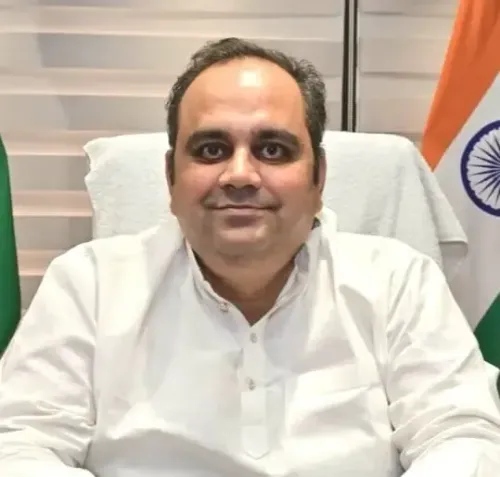
Pankaj Kumar Singh attended the launch alongside senior Delhi government officials.
The scheme aligns with Delhi's dual goals of fleet electrification and gender-inclusive economic empowerment under the #ViksitDelhi agenda.
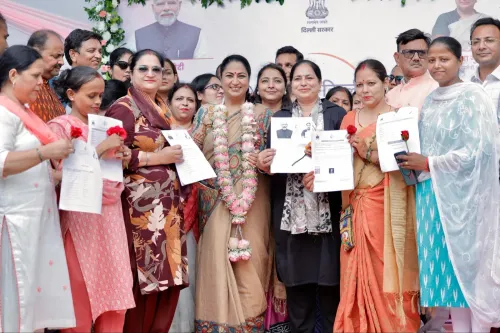
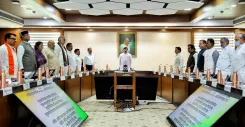
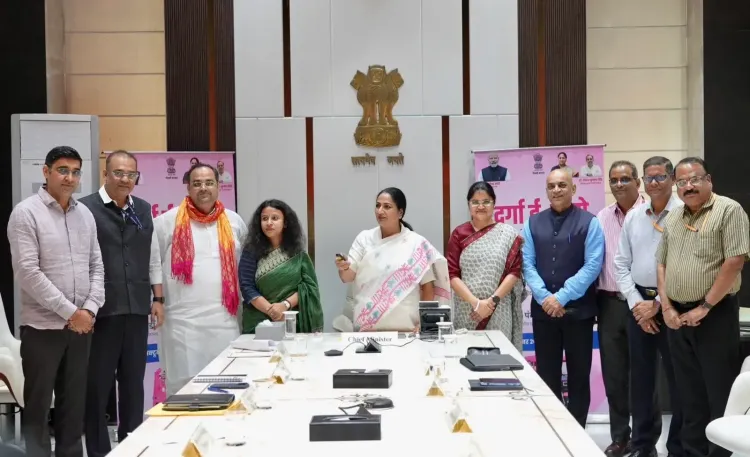
A fleet of pink electric auto-rickshaws — and the livelihoods that come with them — arrived as a policy reality for Delhi's women and transgender community on Monday, 12 October 2026, as Delhi Chief Minister Rekha Gupta formally launched the 'Durga E-Auto Yojana' at the Delhi Secretariat and opened its online registration portal.
1,300 pink e-autos — and who gets them first
The scheme's first phase earmarks 1,170 e-autos for women and 130 for transgender individuals — a combined 1,300 beneficiaries in the opening rollout. Each recipient will own their vehicle outright, giving them, as CM Gupta put it, 'aajivika ka apna sadhan' — 'a livelihood of their own'. Cabinet colleague Dr. Pankaj Kumar Singh was present at the launch alongside senior officials.
The choice of the name 'Durga' is deliberate: it frames economic self-reliance through the lens of feminine strength, a recurring motif in BJP-led welfare branding. The distinctively pink colour coding mirrors similar gender-targeted transit initiatives seen in other Indian states, making beneficiary vehicles instantly identifiable on the capital's roads.
Register now — the portal is live
CM Gupta directly urged all eligible women and transgender persons to register on the scheme portal without delay. 'Your success is our happiness,' she said, wishing beneficiaries a future of prosperity and new opportunities for their families. The registration-first model is designed to ensure verified, targeted delivery — a lesson drawn from earlier Delhi subsidy schemes where leakage diluted impact.
Electric mobility meets gender equity
The Durga E-Auto Yojana sits at the intersection of two pressing urban priorities: Delhi's push to electrify its auto-rickshaw fleet to cut air pollution, and the BJP government's stated agenda of women-led economic empowerment under the #ViksitDelhi banner. Owning — rather than renting — a commercial vehicle fundamentally changes the economics for a driver: no daily hire charges, no middlemen, and full control of earnings.
For the transgender community, the explicit inclusion of 130 vehicles in phase one is a concrete, numbered commitment rather than a rhetorical gesture — a detail that advocacy groups will watch closely as disbursement begins.
Phase one is just the start. How fast the portal processes registrations, how quickly vehicles reach hands, and whether subsequent phases scale the numbers — those are the metrics that will define whether the Durga E-Auto Yojana becomes a flagship or a footnote.
Point of View
Not just rhetoric. Whether the registration portal can handle demand without exclusionary friction will be the first real test. The 'ownership not rental' model is the sharpest policy edge here — if it holds, it could become a template other state governments replicate.
NationPress
12 Oct 2026
Frequently Asked Questions
What is the Durga E-Auto Yojana in Delhi?
The Durga E-Auto Yojana is a Delhi government scheme launched on 12 October 2026 by CM Rekha Gupta that provides pink electric auto-rickshaws to women and transgender individuals as an owned livelihood asset, with 1,300 vehicles earmarked for phase one.
How many e-autos will be given under the Durga E-Auto scheme?
In the first phase, 1,170 e-autos will go to women beneficiaries and 130 to transgender persons, totalling 1,300 pink electric auto-rickshaws.
How do I register for the Durga E-Auto Yojana?
Eligible women and transgender persons can register on the official Durga E-Auto Yojana portal that was launched simultaneously with the scheme on 12 October 2026 at the Delhi Secretariat.
Who launched the Durga E-Auto Yojana?
Delhi Chief Minister Rekha Gupta launched the Durga E-Auto Yojana at the Delhi Secretariat on 12 October 2026, with Cabinet minister Dr. Pankaj Kumar Singh also present at the event.
Why are the e-autos under the scheme pink in colour?
The pink colour is a deliberate gender-identifying marker, making beneficiary vehicles instantly recognisable on Delhi roads — a convention also used in gender-targeted transit programmes in other Indian states.