CM Rekha Gupta Renews Delhi's Food Safety Pledge
Synopsis
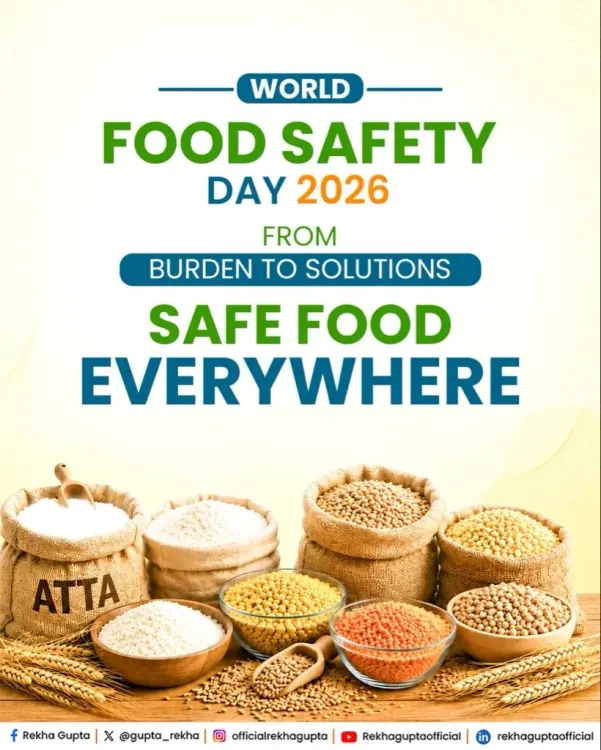
Delhi Chief Minister Rekha Gupta marked World Food Safety Day on 7 June 2026 by reaffirming the capital's commitment to safe, hygienic and nutritious food for all residents, calling for awareness and responsible practices at every stage from farm to table.
Key Takeaways
Delhi CM Rekha Gupta issued a formal statement on World Food Safety Day, 7 June 2026 , pledging the capital's commitment to food safety.
She called for a 'farm to table' approach, emphasising that every step in the food chain matters for public health.
World Food Safety Day is a joint WHO and FAO observance held annually on 7 June to highlight foodborne disease risks.
India's food safety framework is governed by the Food Safety and Standards Act, 2006 and implemented nationally by FSSAI , including through the Eat Right India initiative launched in 2018 .
Delhi's municipal bodies and health department enforce central food safety rules through licensing, inspections and consumer awareness drives.
Joint FSSAI -municipal inspection reports and potential new licensing rules for cloud kitchens and school meal suppliers are expected in the coming weeks.
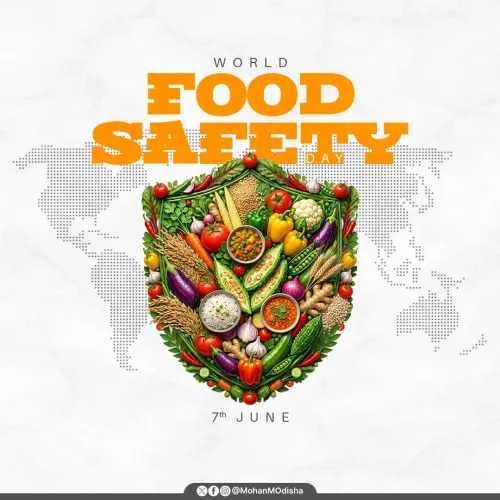
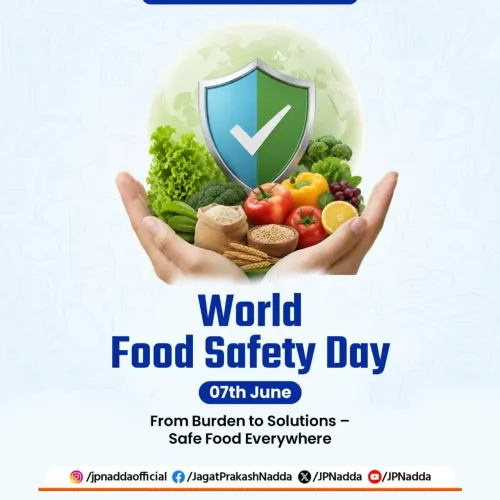
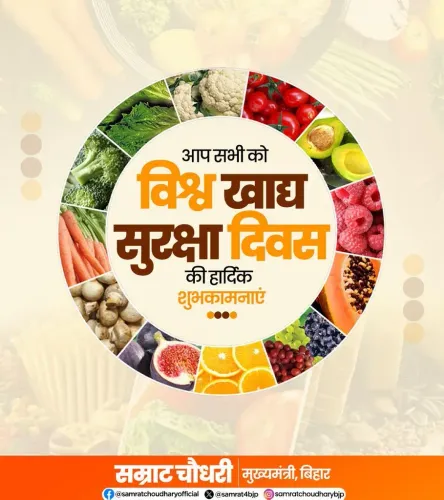
Delhi Chief Minister Rekha Gupta on Sunday, 7 June 2026 marked World Food Safety Day by reaffirming the capital's commitment to ensuring safe, hygienic and nutritious food for every resident, urging a 'farm to table' approach to public health.
Context
World Food Safety Day is observed every year on 7 June, a date designated jointly by the World Health Organization (WHO) and the Food and Agriculture Organization (FAO) to draw global attention to the risks of unsafe food and the steps needed to prevent them. Chief Minister Gupta's statement aligns Delhi's government with this international observance, signalling institutional acknowledgement of food safety as a public health priority.
In her post, Gupta wrote: 'From farm to table, every step matters. Through greater awareness and responsible food practices, we can protect public health, prevent foodborne diseases and build a healthier Delhi.' The message underscores a preventive, awareness-driven approach rather than a purely punitive or regulatory one.
Policy Backdrop
India's food safety architecture is anchored in the Food Safety and Standards Act, 2006, which created a unified regulatory framework under the Food Safety and Standards Authority of India (FSSAI), replacing a patchwork of earlier laws. FSSAI's Eat Right India initiative, launched in 2018, extended this framework into a nationwide campaign promoting safe and healthy eating habits among consumers and food businesses alike.
At the state level, Delhi's health department and municipal bodies implement central rules through licensing drives, periodic inspections, and consumer awareness programmes targeting everything from street-food vendors to institutional catering in schools and hospitals. India has progressively aligned its domestic standards with Codex Alimentarius and WHO guidelines since the mid-2000s, with the stated goal of reducing the country's foodborne disease burden.
Stakeholders and Impact
Delhi's dense, diverse food ecosystem — spanning millions of street-food stalls, cloud kitchens, restaurants and mid-day meal programmes — makes food safety enforcement both critical and complex. Delhi residents, food vendors, and frontline public health workers are the primary stakeholders in any policy push that follows such a public commitment.
Foodborne illnesses impose a significant economic and health cost on urban populations. Awareness campaigns tied to occasions like World Food Safety Day are designed to shift behaviour at the consumer and vendor level, complementing regulatory action by health inspectors and licensing authorities.
What's Next
Observers will watch whether the Chief Minister's statement is followed by concrete administrative action, including joint inspection drives by Delhi municipal bodies and FSSAI, or new licensing guidelines for fast-growing segments such as cloud kitchens and school mid-day meal suppliers. Reports from such inspections are typically expected in the weeks following high-visibility awareness moments like World Food Safety Day.
The broader trajectory points toward tighter integration of state-level enforcement with central regulatory standards — a direction that will shape the daily food experience of Delhi's millions of residents in the months ahead.
Point of View
Such as expanded FSSAI-municipal joint drives or updated cloud kitchen licensing norms, will determine its real political and administrative weight. For the BJP-led Delhi government, visible public health messaging also serves a governance-legitimacy function in a city where street food and mid-day meal quality are everyday electoral concerns.
NationPress
19 Sept 2026
Frequently Asked Questions
What did Delhi CM Rekha Gupta say on World Food Safety Day 2026?
Delhi Chief Minister Rekha Gupta reaffirmed the capital's commitment to safe, hygienic and nutritious food for all residents on 7 June 2026, calling for awareness and responsible food practices at every stage from farm to table to prevent foodborne diseases.
When is World Food Safety Day and who observes it?
World Food Safety Day is observed every year on 7 June. It was designated jointly by the World Health Organization and the Food and Agriculture Organization to raise awareness about foodborne disease risks and promote safe food practices globally.
Which body regulates food safety in India?
The Food Safety and Standards Authority of India, known as FSSAI, is the statutory body that regulates the manufacture, storage, distribution and sale of food across India under the Food Safety and Standards Act, 2006.
What is the Eat Right India initiative?
Eat Right India is an FSSAI initiative launched in 2018 to promote safe and healthy food practices among consumers and food businesses nationwide, forming a key pillar of India's public food safety awareness strategy.
How does Delhi enforce food safety rules?
Delhi's health department and municipal bodies implement central FSSAI rules through periodic licensing drives, inspections of food establishments including street vendors and institutional caterers, and consumer awareness campaigns.