Health Minister Nadda marks World Food Safety Day, echoes PM Modi's diet call
Synopsis
On World Food Safety Day 2026, Union Health Minister J. P. Nadda called on Indians to embrace safe, hygienic food practices and back PM Modi's appeal to reduce household cooking-oil consumption by 10 per cent, tying individual dietary choices to national health goals.
Key Takeaways
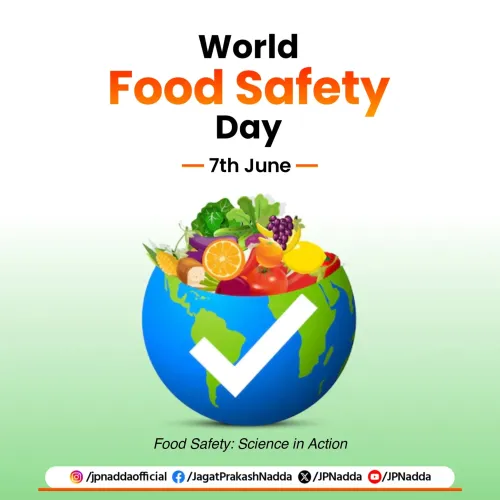
World Food Safety Day falls on 7 June annually, coordinated by WHO and FAO since 2019 .
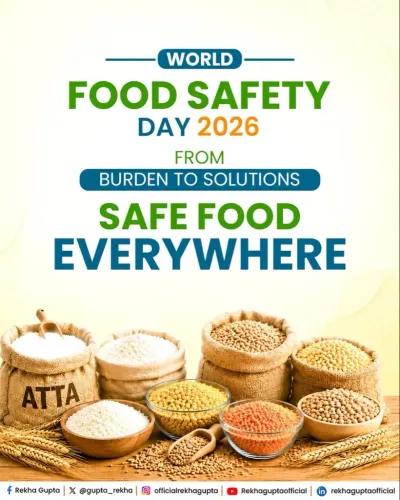
This year's theme is 'From Problem to Solution – Safe Food Everywhere,' stressing science-based practices across the food chain.
PM Modi has called on families to reduce cooking-oil consumption by 10 per cent for better health outcomes.
FSSAI , established under the Food Safety and Standards Act, 2006 , remains India's primary food safety regulator.
Government messaging connects household diet choices to broader goals under the Fit India Movement and POSHAN Abhiyaan .
Upcoming FSSAI compliance reports and potential labelling amendments are the key policy developments to watch.
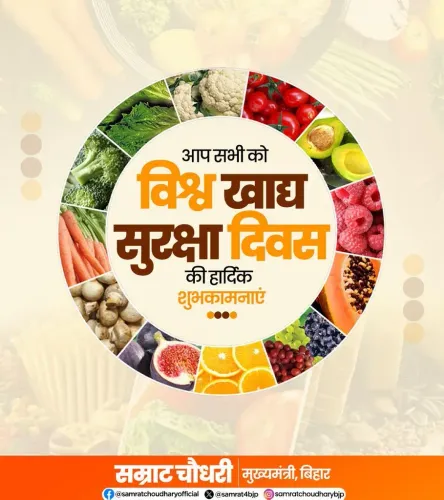
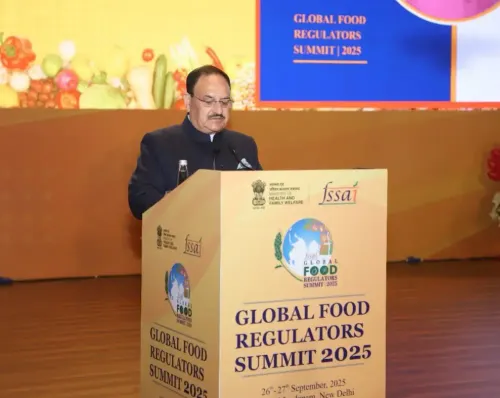
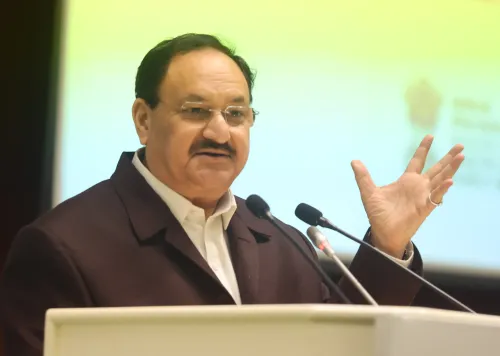
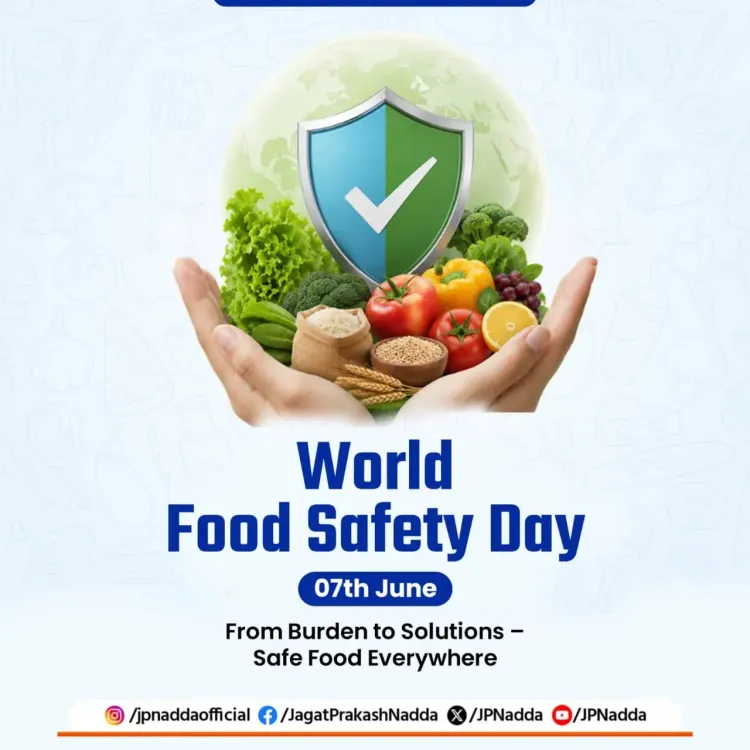
Union Health Minister J. P. Nadda on Sunday, 7 June 2026 marked World Food Safety Day with a public message urging Indians to adopt safe, hygienic food practices and embrace balanced diets, invoking Prime Minister Narendra Modi's appeal to households to cut cooking-oil consumption by 10 per cent.
Context
World Food Safety Day is observed every year on 7 June under the joint coordination of the World Health Organization (WHO) and the Food and Agriculture Organization (FAO) of the United Nations. First designated in 2019, the day is intended to draw attention to foodborne risks and galvanise action across the food supply chain. This year's theme — 'From Problem to Solution – Safe Food Everywhere' — emphasises moving from identifying hazards to implementing practical, science-based remedies at every stage from farm to plate.
Nadda's post framed the occasion as a moment for collective recommitment, stating: 'Let us reaffirm our commitment to safe and hygienic food for a healthier future.' He also called on citizens to 'adopt healthy eating habits and contribute to building a fit, self-reliant India.'
Policy Backdrop
India's food safety architecture is anchored in the Food Safety and Standards Act, 2006, which established the Food Safety and Standards Authority of India (FSSAI) as the unified statutory regulator. The authority sets hygiene and quality standards for food businesses and enforces compliance from production through retail. Over the years, awareness drives have been layered onto this regulatory base to translate standards into household behaviour.
Two flagship programmes reinforce the current messaging. The POSHAN Abhiyaan, launched in 2018, targets malnutrition through coordinated nutrition and hygiene interventions, while the Fit India Movement, initiated in 2019, promotes physical activity and dietary balance across all age groups. Nadda's post explicitly connects individual food choices to the larger goal of a 'fit, self-reliant India,' echoing the language of both campaigns.
PM Modi's call for a 10 per cent reduction in household cooking-oil use sits within a broader pattern of linking dietary behaviour change to non-communicable disease prevention and reduced public healthcare burden — a recurring theme in central government health communication.
Stakeholders and Impact
The primary audience for this messaging is Indian households, who are the end consumers of the food safety chain and the target of behaviour-change communication around cooking practices and diet quality. Food processors and manufacturers are the secondary stakeholder group, as FSSAI compliance requirements apply directly to their operations.
Public health advocates note that sustained reduction in edible-oil consumption could meaningfully lower the incidence of cardiovascular disease and obesity, conditions that impose significant costs on both families and the public health system. The emphasis on 'cleanliness and scientific practices' also signals continued regulatory attention to hygiene standards in food handling and processing.
What's Next
Observers will watch for follow-through in FSSAI's upcoming annual compliance reports and any proposed amendments to food labelling or edible-oil quality standards in the next parliamentary session. The government's ability to translate high-profile ministerial messaging into measurable shifts in household consumption patterns will be a key test of the Fit India and POSHAN frameworks going forward.
Point of View
The Health Ministry is effectively using the minister's platform to reinforce a presidential-style health directive without new legislation. The farm-to-plate framing signals that the government views FSSAI's existing 2006 architecture as sufficient, preferring awareness campaigns over structural reform. The recurring linkage of individual dietary choices to national self-reliance underscores how health communication has become inseparable from the broader 'Aatmanirbhar Bharat' political narrative.
NationPress
21 Oct 2026
Frequently Asked Questions
What is World Food Safety Day and when is it observed?
World Food Safety Day is an annual United Nations observance held on 7 June every year. It has been coordinated jointly by the WHO and FAO since 2019 to raise awareness about foodborne risks and promote safe food systems from farm to consumer.
What is the theme of World Food Safety Day 2026?
The theme for World Food Safety Day 2026 is 'From Problem to Solution – Safe Food Everywhere,' which highlights the need to apply cleanliness and scientific practices at every stage of the food supply chain.
What did PM Modi say about cooking oil consumption?
PM Narendra Modi has urged Indian families to reduce their cooking-oil consumption by 10 per cent as part of a push for balanced diets and better national health outcomes.
What is FSSAI and what does it do?
The Food Safety and Standards Authority of India (FSSAI) is a statutory body established under the Food Safety and Standards Act, 2006 . It sets quality and hygiene standards for food businesses and enforces compliance across the entire food chain in India.
How does the Fit India Movement relate to food safety?
The Fit India Movement , launched in 2019 , promotes physical activity and balanced diets. It complements food safety messaging by encouraging citizens to make healthier dietary choices, linking individual habits to broader goals of reducing non-communicable diseases and building a healthier nation.