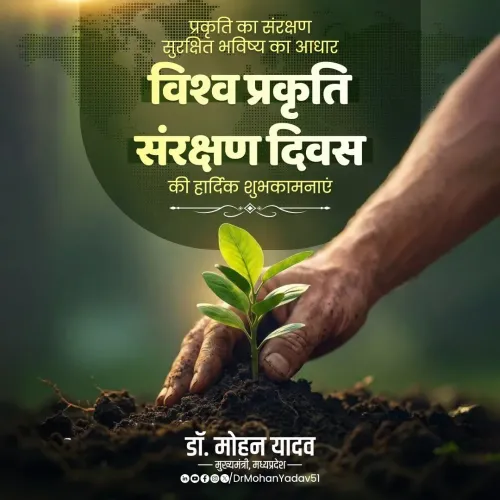
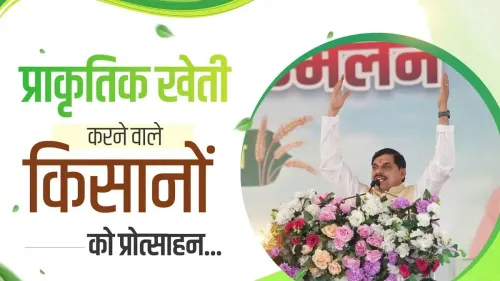
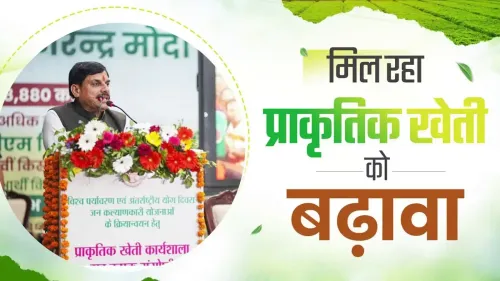
CM Mohan Yadav calls for natural farming on World Food Safety Day
Synopsis
On World Food Safety Day, Madhya Pradesh Chief Minister Dr. Mohan Yadav called for adoption of natural farming to guarantee pure, safe, and nutritious food for every citizen, linking healthy people to a strong and prosperous nation.
Key Takeaways
Mohan Yadav , Chief Minister of Madhya Pradesh , marked World Food Safety Day on 7 June 2026 with a call for natural farming.
He stated that the true meaning of the day lies in every citizen receiving 'pure, clean, safe and nutritious food.' Madhya Pradesh is a major producer of wheat, soyabean, and pulses, making farming practices central to state food safety.
The Paramparagat Krishi Vikas Yojana (2015) already supports organic and natural farming clusters in the state.
FSSAI , set up under the Food Safety and Standards Act 2006 , is the statutory body responsible for enforcing food quality standards across India.
The Chief Minister's remarks align with India's Sustainable Development Goals commitments on zero hunger, good health, and sustainable agriculture.
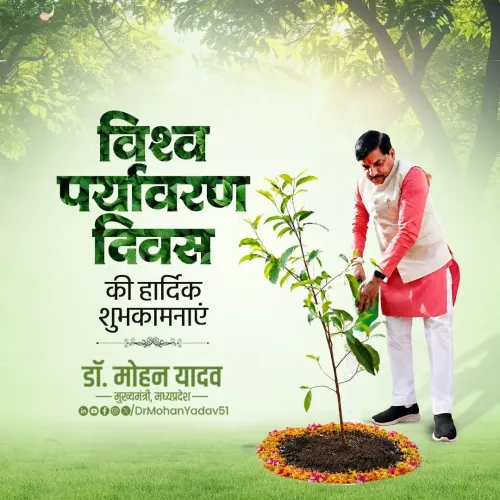
Madhya Pradesh Chief Minister Dr. Mohan Yadav on Sunday, 7 June 2026, marked World Food Safety Day by calling on citizens to embrace natural farming as a key step toward ensuring safe, clean, and nutritious food for every Indian. The BJP leader used the international observance to reinforce the link between chemical-free agriculture and the goal of building a healthy, prosperous nation.
Context
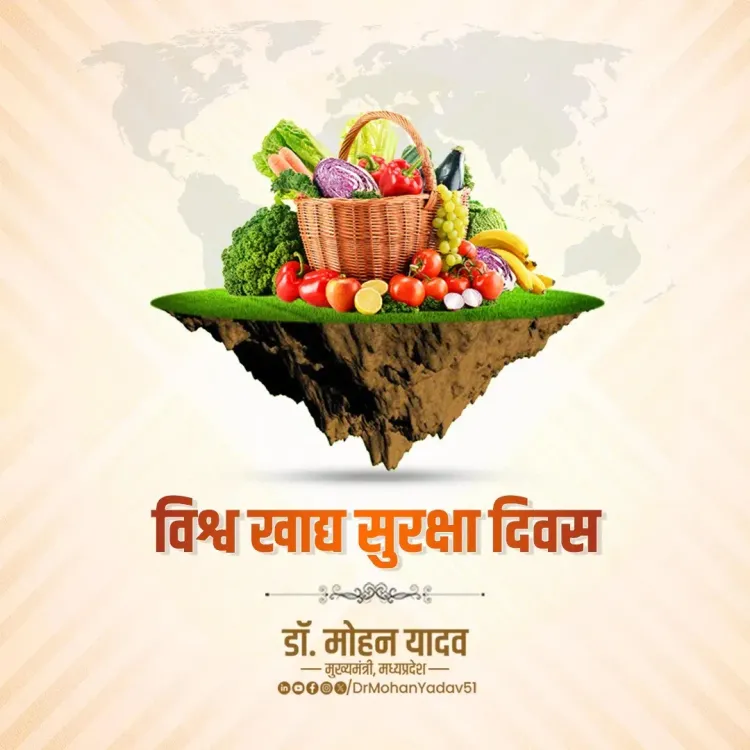
World Food Safety Day, observed annually on 7 June and promoted by the WHO and FAO, draws attention to the risks in food supply chains and the standards needed to address them. In his post, Dr. Yadav wrote: 'विश्व खाद्य सुरक्षा दिवस की सार्थकता हर नागरिक को शुद्ध, स्वच्छ, सुरक्षित और पौष्टिक भोजन मिलने में है' — 'The true meaning of World Food Safety Day lies in ensuring every citizen receives pure, clean, safe and nutritious food.' He added that adopting natural farming would make an important contribution toward that goal.
The Chief Minister concluded with a call to remain 'always aware of food safety and quality standards,' grounding the message in the conviction that 'स्वस्थ नागरिक ही सशक्त और समृद्ध राष्ट्र का निर्माण कर सकता है' — 'only a healthy citizen can build a strong and prosperous nation.'
Policy Backdrop
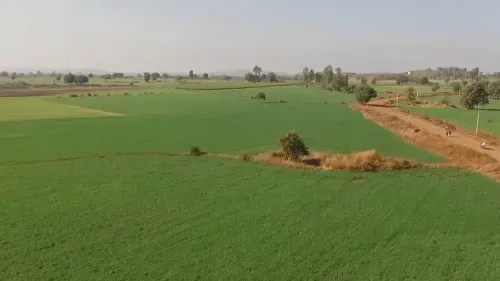
Madhya Pradesh is one of India's largest agrarian states, producing significant volumes of wheat, soyabean, and pulses. The state's farming sector directly shapes food quality for millions of consumers, making the shift toward low-input agriculture a policy priority with measurable public-health implications.
At the national level, the Paramparagat Krishi Vikas Yojana, launched in 2015, has promoted organic and natural farming clusters across states including Madhya Pradesh. Separately, the Food Safety and Standards Authority of India (FSSAI), established under the Food Safety and Standards Act, 2006, sets and enforces food quality regulations that govern produce from farm to market. Natural farming directly reduces the chemical residue burden that FSSAI inspections routinely flag in conventionally grown crops.
Stakeholders and Impact
For farmers in Madhya Pradesh, the push toward natural farming carries both an opportunity and a transition cost — lower input expenditure over time, but an initial adjustment period that requires training and institutional support. State-level programmes that provide such training will be critical to translating the Chief Minister's message into on-ground change.
For consumers, the emphasis on food safety standards aligns with growing demand for produce free of pesticide residues. India's commitments under the Sustainable Development Goals — covering zero hunger, good health, and sustainable agriculture — provide the broader international framework within which Dr. Yadav's remarks sit. State leaders across large farming states have increasingly used international observance days to reinforce these messages and signal policy direction.
What's Next
Attention will now turn to whether Madhya Pradesh backs the Chief Minister's statement with concrete budgetary or programmatic support — including expansion of natural farming training clusters and fresh allocations for chemical-free agriculture zones. Compliance drives by FSSAI at key mandis in the state will also serve as a practical indicator of how food safety standards are being enforced on the ground.
The broader pattern suggests that states with large agrarian economies are increasingly positioning natural farming not merely as an environmental choice but as a public-health and food-security imperative — a framing that is likely to gain further traction as India approaches its SDG review milestones.
Point of View
He positions Madhya Pradesh's large farming base as an asset in India's SDG commitments rather than a liability. The move follows a well-established pattern among BJP-governed agrarian states of using international observance days to signal policy intent without yet committing to specific programme outlays. The real test will be whether this rhetoric translates into expanded training infrastructure and budgetary support for chemical-free farming clusters in the state.
NationPress
24 Sept 2026
Frequently Asked Questions
What is World Food Safety Day and when is it observed?
World Food Safety Day is an annual global observance on 7 June , promoted by the WHO and FAO , to highlight the importance of safe food supply chains and standards that prevent foodborne illness.
What did Madhya Pradesh CM Mohan Yadav say on World Food Safety Day 2026?
Dr. Mohan Yadav said the true meaning of the day lies in ensuring every citizen gets pure, clean, safe, and nutritious food, and called on people to adopt natural farming and remain aware of food safety and quality standards.
What is natural farming and why is it promoted in Madhya Pradesh?
Natural farming is a chemical-free agricultural practice that avoids synthetic pesticides and fertilisers. It is promoted in Madhya Pradesh to reduce residue levels in food, lower input costs for farmers, and meet food safety standards enforced by FSSAI .
What is the Paramparagat Krishi Vikas Yojana?
The Paramparagat Krishi Vikas Yojana is a central government scheme launched in 2015 to promote organic and natural farming clusters across Indian states, including Madhya Pradesh , by providing training and financial support to farmers.
What is FSSAI and what role does it play in food safety?
FSSAI , the Food Safety and Standards Authority of India, is a statutory body established under the Food Safety and Standards Act, 2006 . It sets food quality regulations and conducts compliance audits at markets and food businesses across India.