CM Rekha Gupta Leads 7,000 kg Khoya Seizure at Turkman Gate
Synopsis
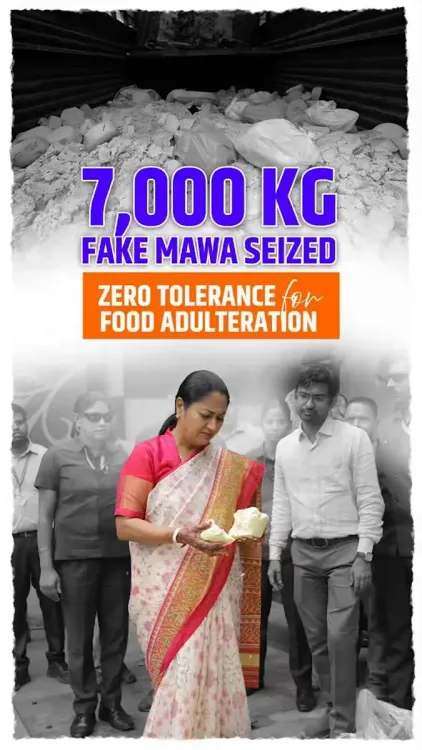
Delhi Chief Minister Rekha Gupta personally visited Turkman Gate on November 3 after the Food Safety Department seized 7,000 kg of adulterated khoya. She ordered the strictest legal action and pledged year-round raids across the capital, signalling an escalation in food safety enforcement heading into the festive season.
Key Takeaways
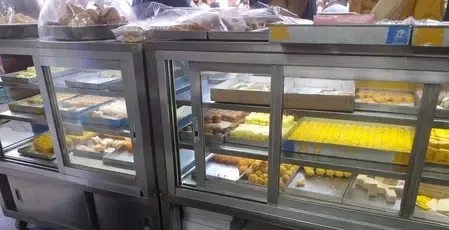
7,000 kg of adulterated khoya was seized in a single operation at Turkman Gate in Old Delhi.
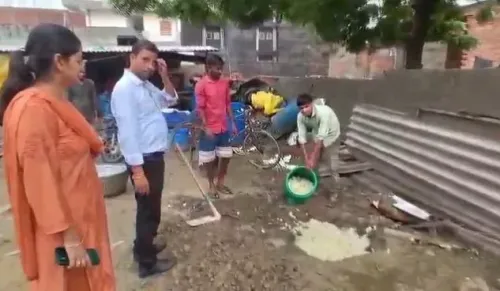
Delhi Chief Minister Rekha Gupta visited the site personally on November 3, 2026 to review the Food Safety Department's operation.
She directed the strictest legal action under the Food Safety and Standards Act, 2006 against those responsible.
Raids are set to be intensified across Delhi for the remainder of the festive season and extended year-round.
Turkman Gate in Old Delhi is a key wholesale hub for dairy and food commodities supplying sweet shops across the capital.
Indian state governments routinely step up dairy inspections before major festivals when khoya-based sweet consumption rises sharply.
Seven thousand kilograms of adulterated khoya — enough to poison sweets across an entire festive season — were seized in a single sweep at Turkman Gate in Old Delhi, as Delhi Chief Minister Rekha Gupta showed up in person on Tuesday, November 3 to personally review the Food Safety Department's crackdown. That is not a routine inspection visit. That is a statement.
What 7,000 kg of adulterated khoya actually means
Turkman Gate sits at the heart of Old Delhi's wholesale dairy and food commodity trade — the kind of market where a single warehouse can supply sweets to hundreds of mithai shops across the capital. Khoya, a reduced-milk solid that forms the base of Indian sweets from barfi to gulab jamun, is among the most commonly adulterated food products in the country. Adulterants can range from starch and vegetable fat to outright toxic additives. A 7,000 kg haul at one site signals the operation was not small.
Chief Minister Gupta directed the 'strictest legal action' against those responsible under the Food Safety and Standards Act, 2006 — the central legislation that arms state agencies with powers to seize, test, and prosecute adulterers. Prosecutions under the Act can attract fines and imprisonment, and repeat offenders face enhanced penalties. The question now is whether the paperwork catches up with the scale of the seizure.
Why the festive season makes food fraud a public-health emergency
This is not accidental timing. Across India, state governments routinely intensify dairy inspections ahead of Diwali and the wider festive calendar, precisely because sweet consumption spikes and unscrupulous traders are tempted to stretch supply with cheaper, sometimes dangerous, adulterants. Delhi has run similar drives targeting Old Delhi's wholesale markets in previous years — but the scale of Tuesday's seizure and the Chief Minister's personal presence mark an escalation in political visibility, if not necessarily in enforcement volume.
The Food Safety Department operates under the state government and is the frontline body responsible for inspections, sample collection, and referral for prosecution. CM Gupta announced that raids will not stop when the festive lights go out: 'Raids will be intensified across Delhi, during the festive season and throughout the year. The crackdown will be relentless.' That 'throughout the year' pledge is the harder commitment to keep — and the one Delhi consumers will be watching.
What Delhi consumers and traders should expect next
The immediate test is whether the prosecutions announced against those held at Turkman Gate are actually filed and pursued, or whether the seizure remains a headline without a courtroom conclusion. The broader test is geographic: Old Delhi is one cluster of wholesale markets, but adulteration networks span the capital's mandis, cold-storage hubs, and retail supply chains. Scaling up requires trained inspectors, functional testing labs, and sustained political will beyond a single high-profile site visit.
For now, Delhi's sweet shops head into the festive peak on notice — and the city's food safety enforcement machinery has been put publicly on the clock.
Point of View
A high-visibility health-safety drive in Old Delhi's wholesale belt is also a targeted message to a politically significant constituency.
NationPress
3 Nov 2026
Frequently Asked Questions
What was seized in the Turkman Gate food safety raid in Delhi?
7,000 kg of adulterated khoya — a milk-solid used in Indian sweets — was seized by the Delhi Food Safety Department in an operation at Turkman Gate in Old Delhi reviewed by Chief Minister Rekha Gupta on November 3, 2026.
What is adulterated khoya and why is it dangerous?
Khoya is a reduced-milk solid that forms the base of many Indian sweets. Adulteration typically involves mixing in starch, vegetable fat, or chemical additives to bulk it out cheaply, and consuming such products can cause serious illness.
What legal action can be taken against food adulterators in Delhi?
Food adulterators can be prosecuted under the Food Safety and Standards Act, 2006 , which empowers state agencies to seize products, conduct tests, and pursue cases that can result in fines and imprisonment.
Why do Delhi food safety raids intensify during the festive season?
Demand for khoya-based sweets surges around festivals such as Diwali, incentivising some traders to adulterate supplies. State governments across India, including Delhi, routinely step up inspections during this period to protect consumers.
Where is Turkman Gate and why is it significant for food supply?
Turkman Gate is a locality in Old Delhi that hosts major wholesale markets for dairy and food commodities, meaning produce sold there can reach hundreds of retail sweet shops across the capital.