CM Rekha Gupta Tables CAG Report in Delhi Assembly
Synopsis
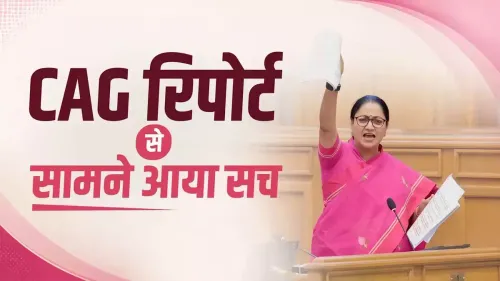
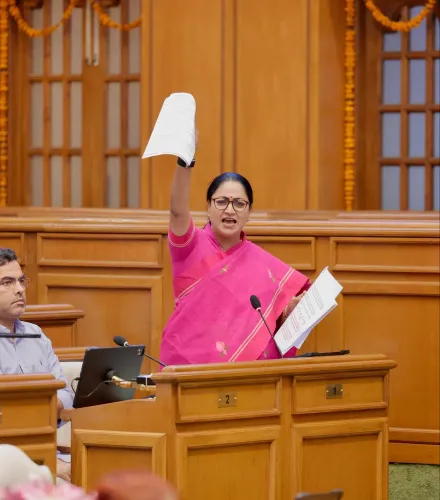
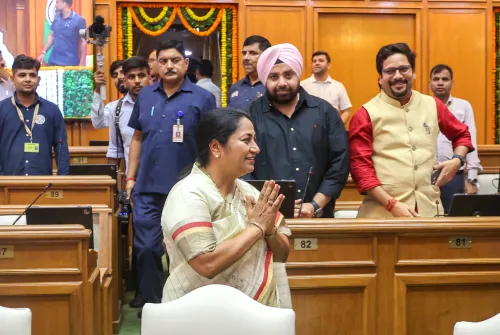
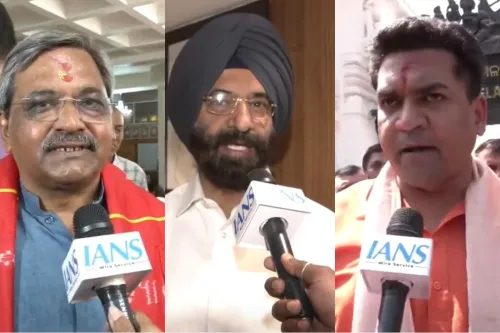
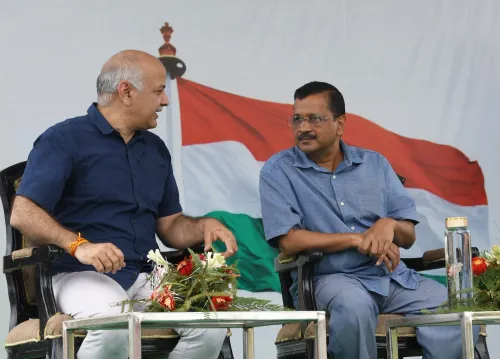
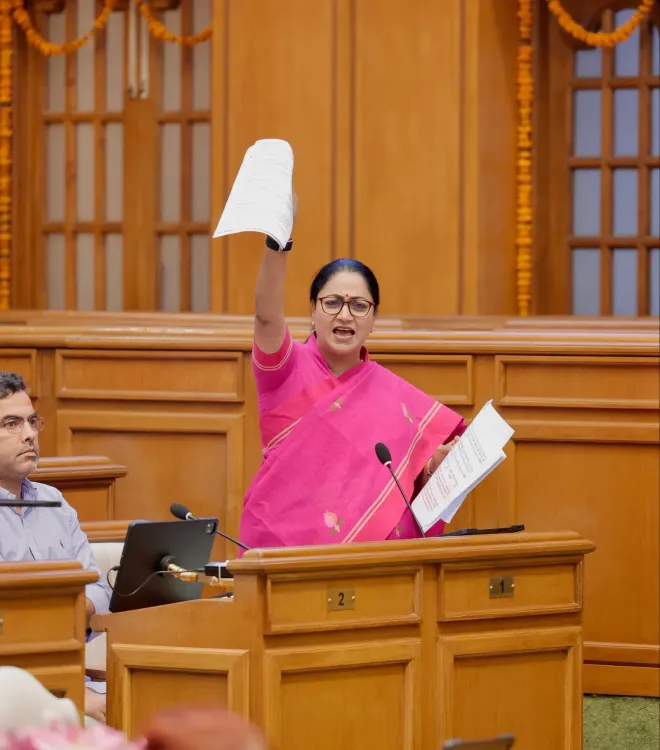
Delhi Chief Minister Rekha Gupta tabled the CAG report during the Monsoon Session on 11 August 2026, citing serious questions over the previous government's management of public resources and reaffirming her government's commitment to fiscal discipline and transparency.
Key Takeaways
Delhi CM Rekha Gupta presented the CAG report in the Delhi Legislative Assembly on 11 August 2026 during the Monsoon Session.
The report raises questions over the previous government's management of public resources in Delhi.
The Comptroller and Auditor General of India is a constitutionally mandated body whose findings carry formal legislative authority.
New state governments in India routinely table CAG reports after election victories to scrutinise predecessor spending — a pattern seen across multiple states.
Gupta reaffirmed the Delhi Government's commitment to transparent governance, fiscal discipline, and institutional accountability .
Assembly debates, committee referrals, and follow-up reform proposals will determine the report's real-world impact on Delhi's public services.
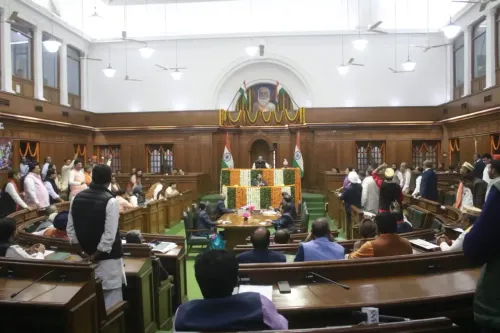
A constitutional audit report landed in the Delhi Legislative Assembly on Tuesday, 11 August 2026, and Delhi Chief Minister Rekha Gupta made sure the occasion carried weight. Presenting the Comptroller and Auditor General (CAG) report during the ongoing Monsoon Session, she framed it as a reckoning — a formal, institutional examination of how public money was spent under the previous government.
What the CAG tabling means for Delhi's accountability debate
The Comptroller and Auditor General of India is no ordinary watchdog. A constitutionally mandated body, the CAG independently audits government accounts and submits findings to the legislature — findings that carry legal and political weight precisely because they are not the ruling party's own assessment. When a new government tables such a report, it hands the opposition a mirror and the public a ledger. Rekha Gupta put it plainly: 'Public money is the people's money. Every rupee must deliver better roads, schools, healthcare, transport and public services.' The statement was a direct signal that the report's findings would be used to frame a contrast with the prior administration's fiscal record.A well-worn political playbook — with real institutional teeth
New state governments across India have long used CAG reports tabled in assembly sessions to scrutinise their predecessors' spending. It is a recurring feature of post-election governance transitions — part political move, part genuine legislative oversight. Delhi's assembly has seen this dynamic before: CAG audits covering the 2018–2022 period had previously examined spending on the capital's education and health schemes, generating significant debate on the floor. What follows the tabling matters as much as the tabling itself. Assembly debates, committee referrals, and any subsequent reform proposals on resource allocation will determine whether this report reshapes Delhi's fiscal architecture or remains a political talking point through the session. The Delhi Government's stated commitments — transparent governance, fiscal discipline, and institutional accountability — now have a formal audit document attached to them. The Monsoon Session floor will test how far those commitments translate into legislative action.Point of View
Incoming state governments have leveraged CAG findings to define the fiscal narrative of their first year, and Delhi is following that pattern with precision. The real test is whether the report triggers substantive committee action or simply fuels session-floor rhetoric. For Rekha Gupta, the optics of institutional process are as important as the findings themselves — it signals a governance style anchored in audit culture rather than just political assertion.
NationPress
11 Aug 2026
Frequently Asked Questions
What is the CAG report tabled in Delhi Assembly on 11 August 2026?
The CAG report is an audit document prepared by the Comptroller and Auditor General of India, a constitutional body, examining the previous Delhi government's management of public finances. Delhi CM Rekha Gupta presented it during the Monsoon Session on 11 August 2026.
What is the Monsoon Session of the Delhi Legislative Assembly?
The Monsoon Session is one of the regular legislative sessions of the Delhi Assembly, typically held between July and September, during which bills, budgets, and audit reports such as the CAG report are tabled and debated.
Why do new governments table CAG reports against previous administrations?
Tabling CAG reports is a standard legislative practice in India. New state governments use these constitutionally mandated audit findings to scrutinise the fiscal record of their predecessors and to signal a shift toward accountability.
What did Rekha Gupta say about public money in her post?
Rekha Gupta stated that 'public money is the people's money' and that every rupee must deliver better roads, schools, healthcare, transport, and public services, framing the CAG tabling as a commitment to fiscal discipline.
What happens after a CAG report is tabled in a state assembly?
After tabling, the report is typically referred to the Public Accounts Committee for detailed examination. Assembly debates follow, and the committee may recommend reforms or corrective action on resource allocation.