CM Samrat Choudhary Hears Grievances of 181 Citizens at Bihar Secretariat
Synopsis
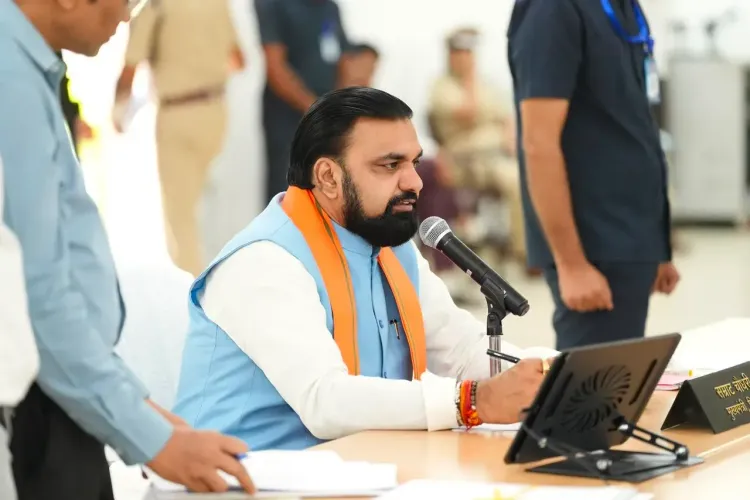
Bihar Chief Minister Samrat Choudhary personally heard complaints from 181 citizens at the 'State Level Cooperation Program' held at the CM Secretariat in Patna on August 11, 2026, with necessary action directed on all cases.
Key Takeaways
181 applicants attended the State Level Cooperation Program at the Chief Minister's Secretariat in Patna on August 11, 2026 .
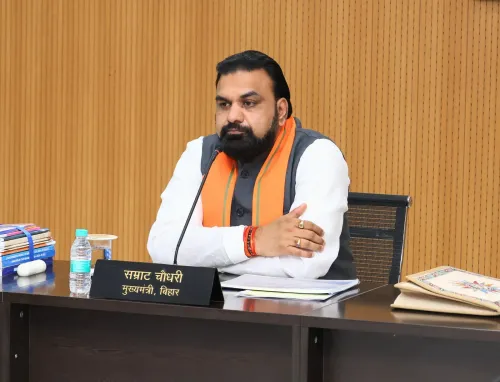
Chief Minister Samrat Choudhary personally presided over the grievance-hearing session.
Necessary action was directed on the problems and cases of all 181 applicants present.
The programme is a formal public-interface mechanism allowing citizens direct access to the state's top executive office.
Resolution of the 181 logged cases will be the key metric to watch for the programme's real-world impact.
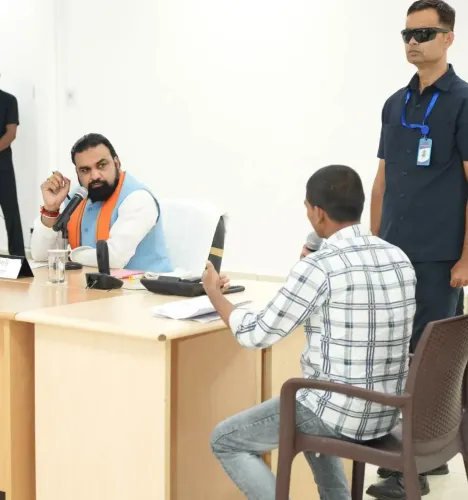
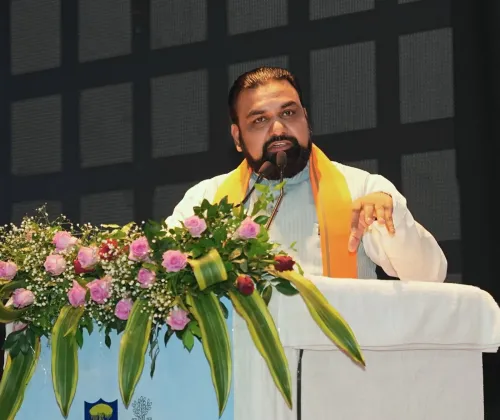
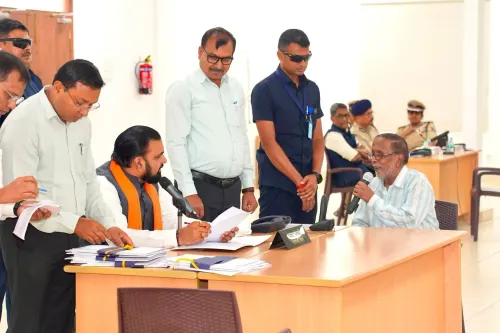
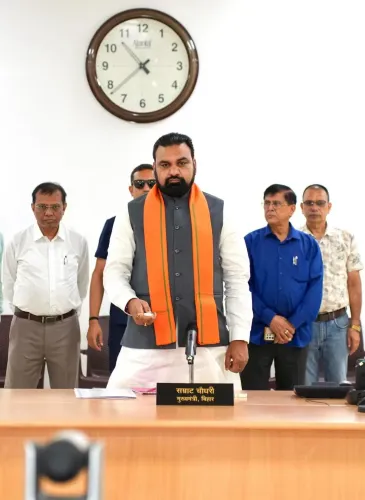
One hundred and eighty-one citizens walked into the Chief Minister's Secretariat in Patna on Tuesday, August 11, 2026 — and walked out with their complaints on record. The Chief Minister's Office of Bihar announced that Chief Minister Samrat Choudhary personally presided over the 'Rajya Stareey Sahyog Karyakram' (State Level Cooperation Program), a direct public grievance session held at the secretariat, where he heard citizens' problems and directed necessary action on each case.
What the State Level Cooperation Program is
The State Level Cooperation Program is a structured public-interface mechanism where ordinary citizens can bring complaints directly to the Chief Minister's Secretariat in Patna. State governments across India have long used such direct-hearing formats to bypass departmental bottlenecks — placing the chief minister or a senior official face-to-face with applicants whose grievances have not been resolved through routine channels. For Bihar, the secretariat itself serving as the venue signals the administration's intent to treat the session as a formal, high-accountability exercise rather than a symbolic gesture.
181 applicants, one session
Of the 181 applicants who appeared at the programme, every case was taken up for 'necessary action' — the official phrase used in the announcement. The range of grievances at such sessions typically spans land disputes, pension delays, police inaction complaints, and welfare scheme exclusions, though the post does not specify the nature of individual cases heard on Tuesday. The sheer number — 181 in a single sitting — reflects the scale of unresolved citizen concerns that reach the top of Bihar's executive ladder.
Direct access as a governance signal
Chief ministers holding direct public hearings is not new in Indian state politics, but the regularity and formality of such programmes vary sharply by administration. When a sitting CM chairs the session himself rather than delegating to a minister or bureaucrat, it carries a distinct political and administrative message: accountability stops at the top. Whether the 181 cases logged on August 11 translate into verified resolutions will be the real measure of the programme's impact — and the one number Bihar's citizens will be watching.
Point of View
Functioning simultaneously as administrative tools and political optics. For Bihar, a state with persistent challenges in welfare delivery and bureaucratic responsiveness, the regularity of such sessions under CM Samrat Choudhary will matter more than any single sitting. The 181-applicant turnout in one session points to a significant backlog of unresolved complaints that routine departmental channels have failed to address. The programme's credibility will ultimately rest on whether follow-up action on these cases is tracked, reported, and completed — a gap that has historically undermined similar initiatives across Indian states.
NationPress
11 Aug 2026
Frequently Asked Questions
What is the State Level Cooperation Program in Bihar?
The State Level Cooperation Program ( Rajya Stareey Sahyog Karyakram ) is a public grievance-hearing event held at the Chief Minister's Secretariat in Patna, where citizens can directly present their complaints and problems to the Chief Minister or senior officials for resolution.
How many people attended Bihar CM's grievance session on August 11, 2026?
A total of 181 applicants attended the State Level Cooperation Program chaired by Chief Minister Samrat Choudhary at the CM Secretariat on August 11, 2026.
Who is Samrat Choudhary?
Samrat Choudhary is the Chief Minister of Bihar, heading the state government and its administrative activities from the Chief Minister's Secretariat in Patna.
What happens to complaints filed at Bihar's State Level Cooperation Program?
According to the Chief Minister's Office, necessary action is directed on each case presented at the programme, though the specific resolution timeline and follow-up mechanism for individual complaints are not publicly detailed.
Where is the Bihar Chief Minister's Secretariat located?
The Chief Minister's Secretariat is located in Patna , the capital of Bihar, and serves as the primary venue for the state government's administrative and public outreach activities.