CM Revanth Orders Tough Anti-Adulteration Law for Telangana
Synopsis
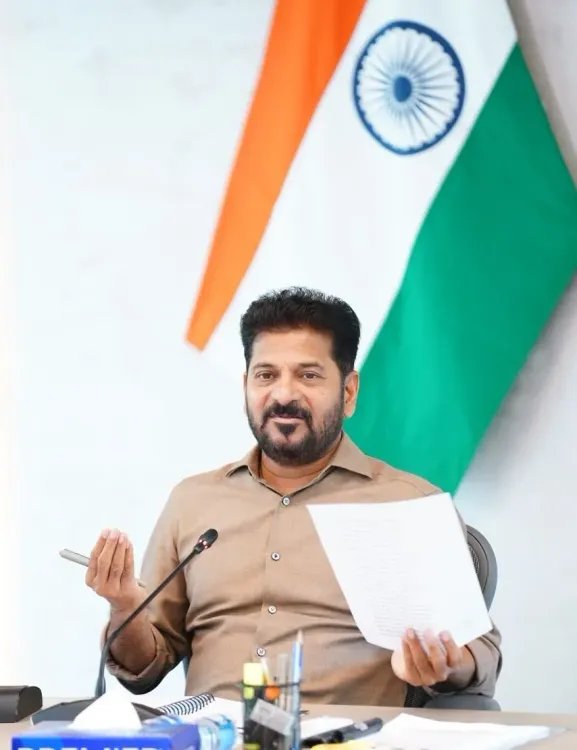
Chief Minister Revanth Reddy chaired a review of the proposed TGFADCA on 18 July 2026, ordering a tough anti-adulteration law for food and medicines, a whistleblower helpline, and a pilot project, after flagging widespread chemical adulteration harming public health across Telangana.
Key Takeaways
CM Revanth Reddy directed officials on 18 July 2026 to draft a stringent anti-adulteration law covering food and medicines under the proposed TGFADCA .
Chemicals used to extend shelf life of vegetables and milk, and to ripen fruit artificially, are causing public health harm, the CM stated.
Excessive pesticide and fertiliser use is leaving chemical residues in produce, leading some countries to reject Indian exports.
Officials are to study anti-adulteration frameworks in other countries and submit a comprehensive report before drafting the bill.
A whistleblower system and toll-free helpline will be set up to gather public information on adulteration.
A pilot project in the CURE area will test enforcement before a state-wide rollout; the bill will be debated in the Legislative Assembly with public consultation.
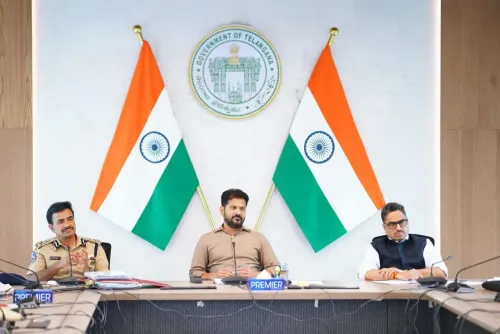
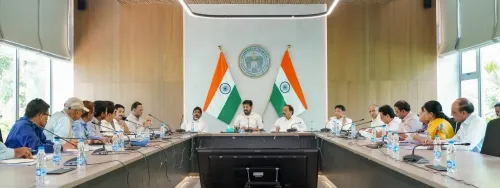
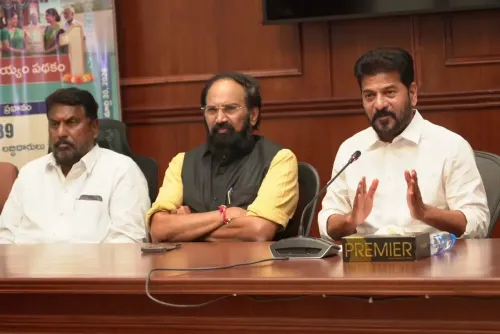
The Chief Minister's Office of Telangana announced on Saturday, 18 July 2026 that Chief Minister Revanth Reddy has directed officials to draft a stringent law to curb adulteration in food and medicines, following a high-level review of the proposed Telangana Food Adulteration and Drug Control Act (TGFADCA) held at the MCHRD Bodhi Pavilion, Hyderabad.
Context
CM Revanth flagged that essential commodities — vegetables, leafy greens, fruits, milk, and medicines — are being routinely adulterated, causing widespread illness among citizens. 'నిత్యావసరాలు, కూరగాయలు, పండ్లు, పాలు అన్నీ కల్తీ అవుతున్నాయి' ('Daily essentials, vegetables, fruits, and milk are all being adulterated'), the CM stated, underlining the scale of the problem.
He specifically pointed to the indiscriminate use of chemicals to extend the shelf life of leafy vegetables, milk, and produce, and to artificially ripen fruit — practices he said are directly harming public health. He also noted that excessive use of fertilisers and pesticides is leaving chemical residues in crop produce, prompting some countries to reject Indian exports on contamination grounds.
Policy Backdrop
India's food safety framework is currently governed by the central Food Safety and Standards Act, 2006, which replaced the Prevention of Food Adulteration Act of 1954 and established the Food Safety and Standards Authority of India (FSSAI). Telangana's proposed TGFADCA is intended to supplement this framework with a state-specific, more enforceable layer of regulation.
The CM also raised concerns about the booming organic-products market, noting that consumers pay premium prices for items labelled organic but that no adequate verification system exists to confirm their authenticity. This gap, he said, must be addressed in the new legislation.
Indian states have periodically strengthened local enforcement around food adulteration and pesticide residues to complement FSSAI rules, particularly after repeated export rejections citing chemical contamination. Telangana's review follows a pattern of state governments commissioning comparative studies of foreign regulatory models before drafting new laws.
Key Directives Issued
Revanth Reddy instructed officials to visit countries that have comprehensive anti-adulteration laws in place, study their regulatory models, and prepare a detailed report. The bill will be drafted on the basis of that report and tabled for a 'comprehensive debate in the Legislative Assembly,' the CM said, adding that public opinion will also be solicited before the bill is finalised.
He ordered the creation of a whistleblower mechanism and a toll-free helpline to collect information on adulteration across the state. Crucially, he directed officials to launch a pilot project in the CURE area first — implementing the new regulations there, identifying gaps in enforcement, and refining the approach before a state-wide rollout.
Stakeholders and Impact
The review meeting was attended by Chief Secretary Sanjay Jaju, DGP C.V. Anand, CM Advisor and Ex-Officio Special Chief Secretary K. Ramakrishna Rao, and Principal Secretaries V. Seshadri and N. Sridhar, along with senior officials from multiple departments. The breadth of the attendee list signals that the initiative spans food, health, agriculture, and law-enforcement agencies.
The primary beneficiaries are Telangana's general consumers, who currently have limited recourse when they purchase adulterated or mislabelled food. Farmers and food traders will face tighter scrutiny under the proposed framework, but the regime could also help legitimate organic producers by establishing credible certification.
What's Next
The immediate next steps are the officials' study tour of countries with robust anti-adulteration regimes, followed by a comprehensive report to the CM. Once the bill is drafted, it will go through Legislative Assembly debate and a public consultation process before enactment. The outcome of the pilot project in the CURE area will also shape the final shape of enforcement mechanisms statewide.
Point of View
Locally enforceable legislation — a pattern that tends to accelerate after high-profile food safety scares or export rejections. By ordering a comparative study of foreign regulatory models before drafting the bill, the Revanth Reddy government is signalling legislative ambition but also buying time, which means the law's actual contours remain open. The inclusion of a whistleblower mechanism and a pilot project suggests the administration is aware that enforcement — not just legislation — has historically been the weak link in India's food safety chain. How quickly officials complete the study tour and whether the public consultation is substantive or ceremonial will determine whether TGFADCA becomes a model statute or another well-intentioned law with weak implementation.
NationPress
17 Oct 2026
Frequently Asked Questions
Why is Telangana making a new food safety law when FSSAI already exists?
The central FSSAI framework sets national standards, but state governments can enact supplementary laws with stronger local enforcement provisions. Telangana's proposed TGFADCA is intended to address gaps in ground-level implementation and cover specific local concerns such as chemical ripening of fruit and mislabelled organic produce.
What will the Telangana anti-adulteration whistleblower helpline do?
The toll-free whistleblower helpline, ordered by CM Revanth Reddy, will allow citizens to report instances of food and drug adulteration anonymously, helping authorities collect comprehensive intelligence before and after the new law comes into force.
Where is the CURE pilot project for food safety in Telangana?
CM Revanth Reddy directed officials to begin with the CURE area as a pilot zone for implementing the new anti-adulteration regulations. The precise boundaries of the pilot area have not been officially specified in public records yet.
How will the Telangana food adulteration bill be passed?
After officials complete a study tour of countries with effective anti-adulteration laws and submit a report, a bill will be drafted and placed before the Telangana Legislative Assembly for comprehensive debate. Public opinion will also be invited before the bill is finalised and enacted.